Local Regulations for Driveway & Parking Lot Construction
Most property owners think about paving in terms of materials, cost, and how long the project will take. What doesn’t always come up early enough in the conversation is the regulatory side of things. Driveway installations and parking lot construction are subject to local zoning ordinances, stormwater management rules, setback requirements, and in some cases, state-level environmental regulations — all of which can affect your project timeline, design, and even whether a permit is required before the first load of asphalt arrives on site.
For homeowners and commercial property managers in New Hampshire, navigating this layer of the process doesn’t have to be overwhelming. Working with experienced asphalt paving companies NH that understand local requirements can make the difference between a smooth project and one stuck in a permitting backlog for weeks.
Understanding Permits: When You Need One and When You Don’t
Permit requirements for driveways and parking lots vary significantly from one New Hampshire municipality to the next. In some towns, replacing an existing driveway with the same footprint requires nothing more than a contractor and a scheduled start date. In others, even a minor expansion of an existing paved area triggers a formal permit application, a site plan review, and possibly a public works inspection before work can begin.
The general rule of thumb: if you’re adding new impervious surface — meaning pavement where there was previously grass, gravel, or open ground — you’re more likely to need a permit. Towns use impervious surface calculations to manage stormwater runoff, so any increase in paved area can put you into a different regulatory category.
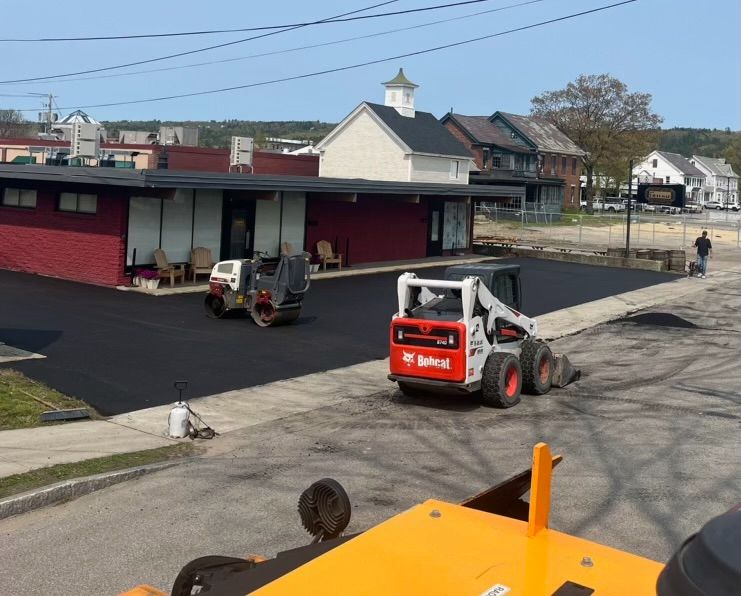
Commercial properties almost always require permits for new parking lot construction. This typically includes a site plan approval showing drainage design, lot dimensions, striping layout, ADA-compliant spaces, and sometimes landscaping buffers depending on the municipality’s zoning ordinance.
Setbacks, Lot Coverage, and Zoning Restrictions
Setback rules define how close a paved surface can come to a property line, road right-of-way, wetland, or structure. For residential driveway paving, this usually means keeping the pavement a set number of feet from the side property line — commonly anywhere from two to five feet depending on the town’s zoning regulations. Parking lots on commercial properties face stricter setback requirements, often coupled with buffer zones that require grass, landscaping, or fencing between the paved lot and neighboring parcels.
Lot Coverage Limits and What They Mean for Your Project
Many NH municipalities place a cap on how much of a residential lot can be covered by impervious surfaces — driveways, walkways, patios, and structures combined. This is often expressed as a percentage of the total lot area. If your property is already near that cap, expanding your driveway or adding a paved parking pad might not be permitted without a variance.
Before designing a new blacktop driveway or extended parking area, it’s worth pulling your town’s zoning map and confirming your lot’s current coverage percentage. Reputable asphalt paving companies NH professionals will often assist with this preliminary check as part of the project scoping process — it prevents costly redesigns once a permit application reveals an overage.
Stormwater and Drainage: The Regulation Most People Miss
Stormwater management is one of the most frequently overlooked regulatory areas in residential and commercial paving projects. When you pave a surface, rain that previously soaked into the ground now runs off — and that runoff has to go somewhere. New Hampshire’s Department of Environmental Services has established stormwater standards that apply to construction projects above a certain size threshold, and many municipalities layer their own requirements on top of those.
Drainage Design for Driveways and Parking Lots
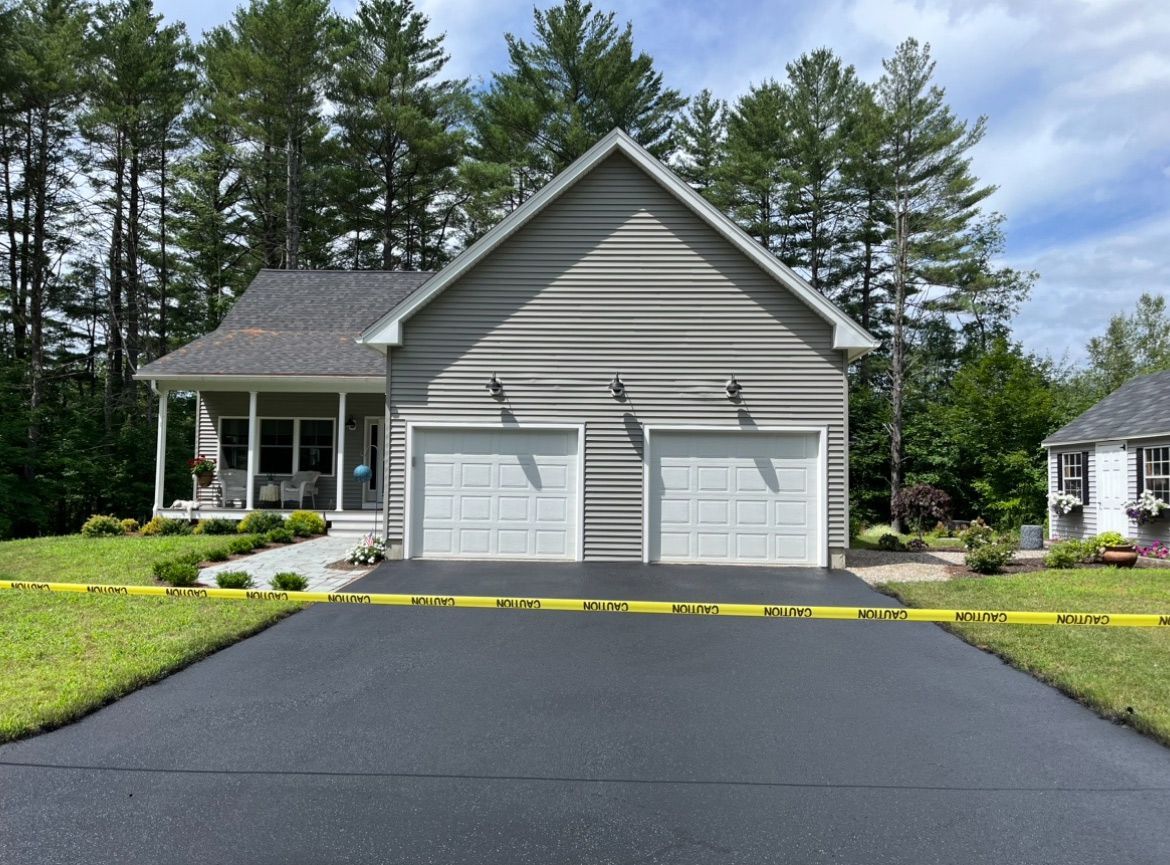
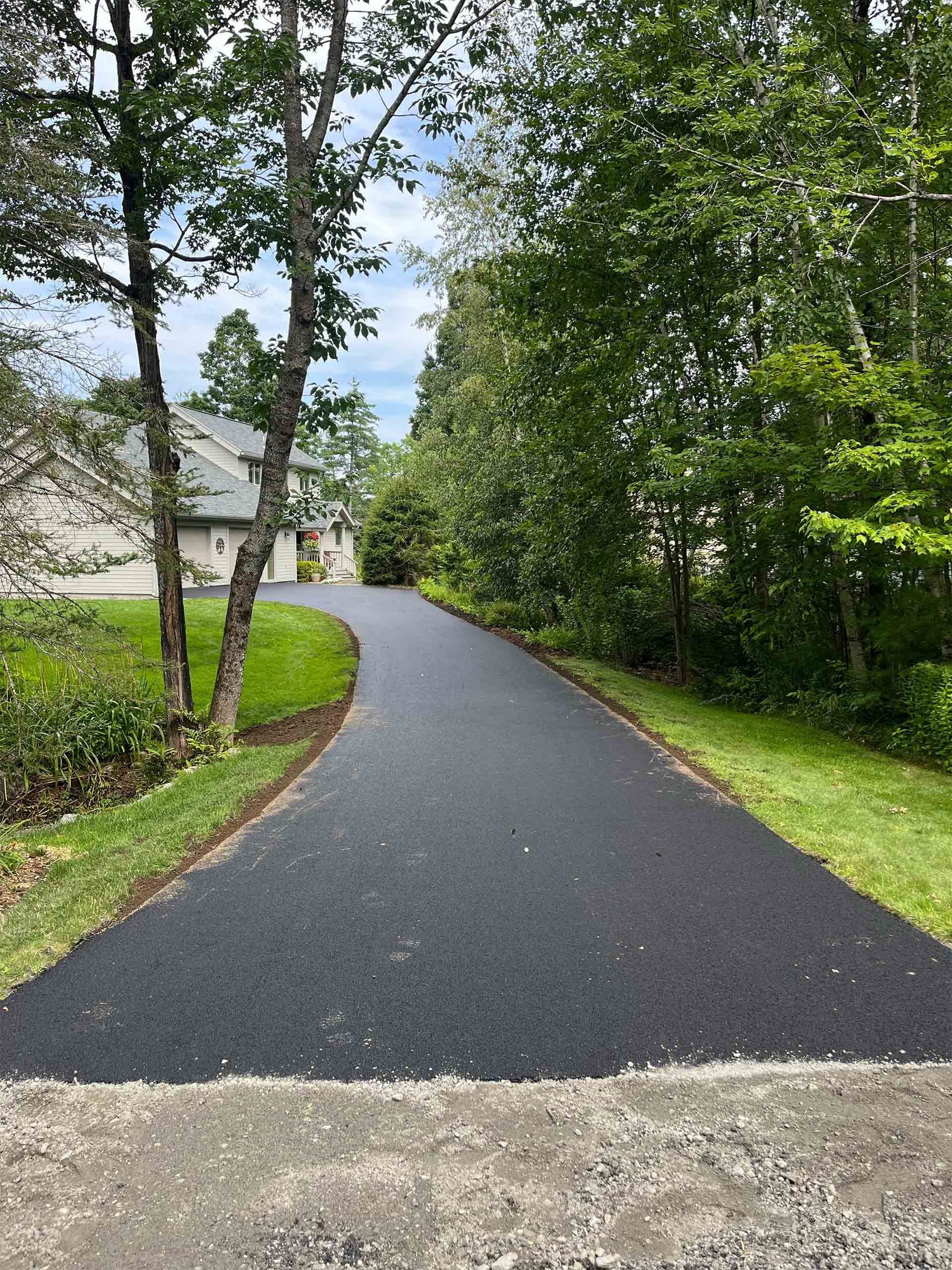
For a standard residential driveway paving project, drainage is typically managed through proper grading — sloping the surface so water drains to the sides rather than toward the home’s foundation or a neighboring property. This is straightforward engineering, but it still needs to be executed correctly. A poorly graded driveway doesn’t just create puddles; it can lead to base erosion over time and dramatically shorten the pavement’s service life.
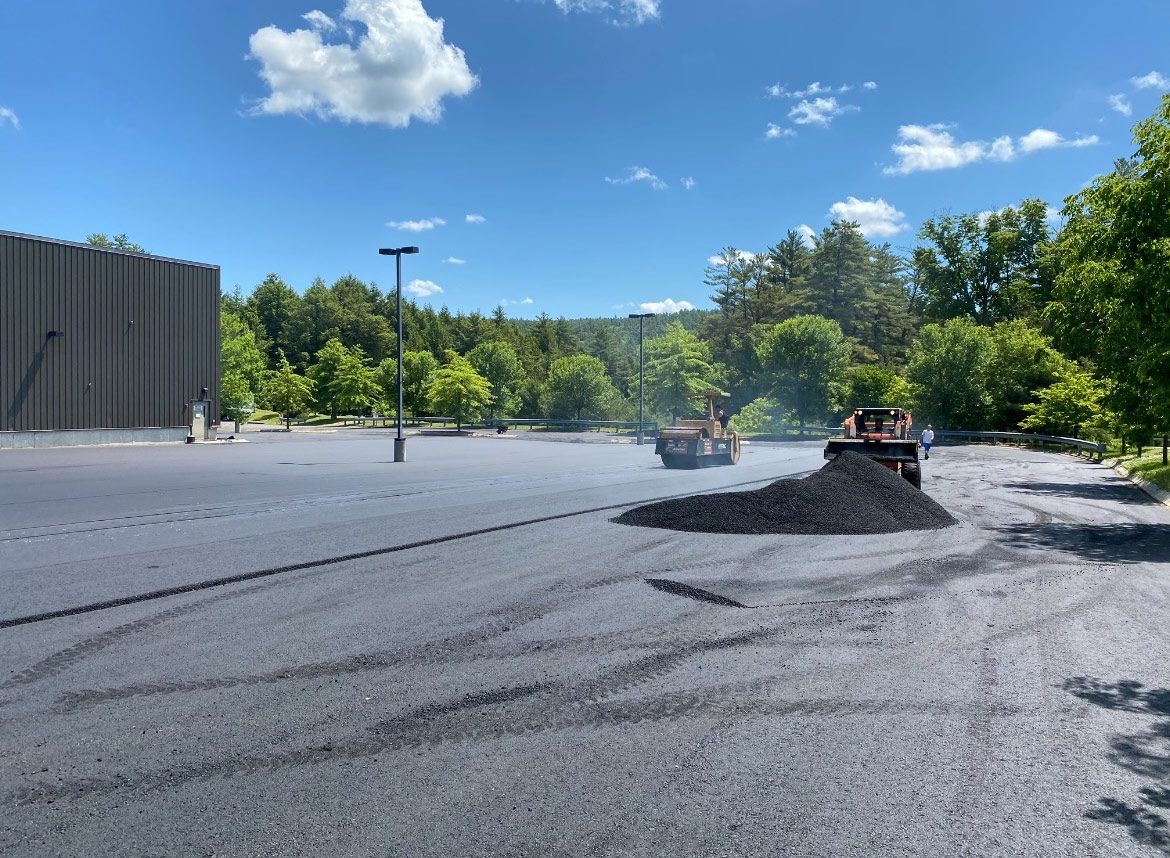
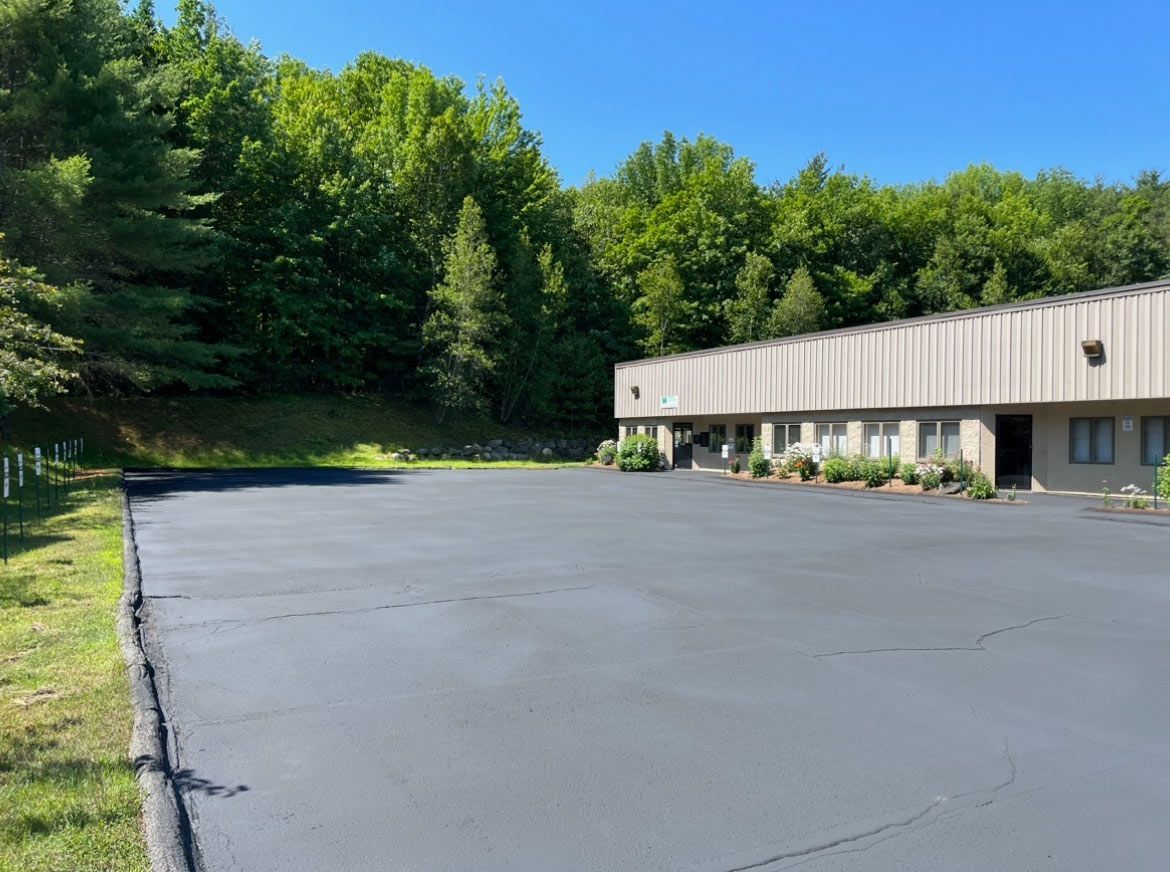
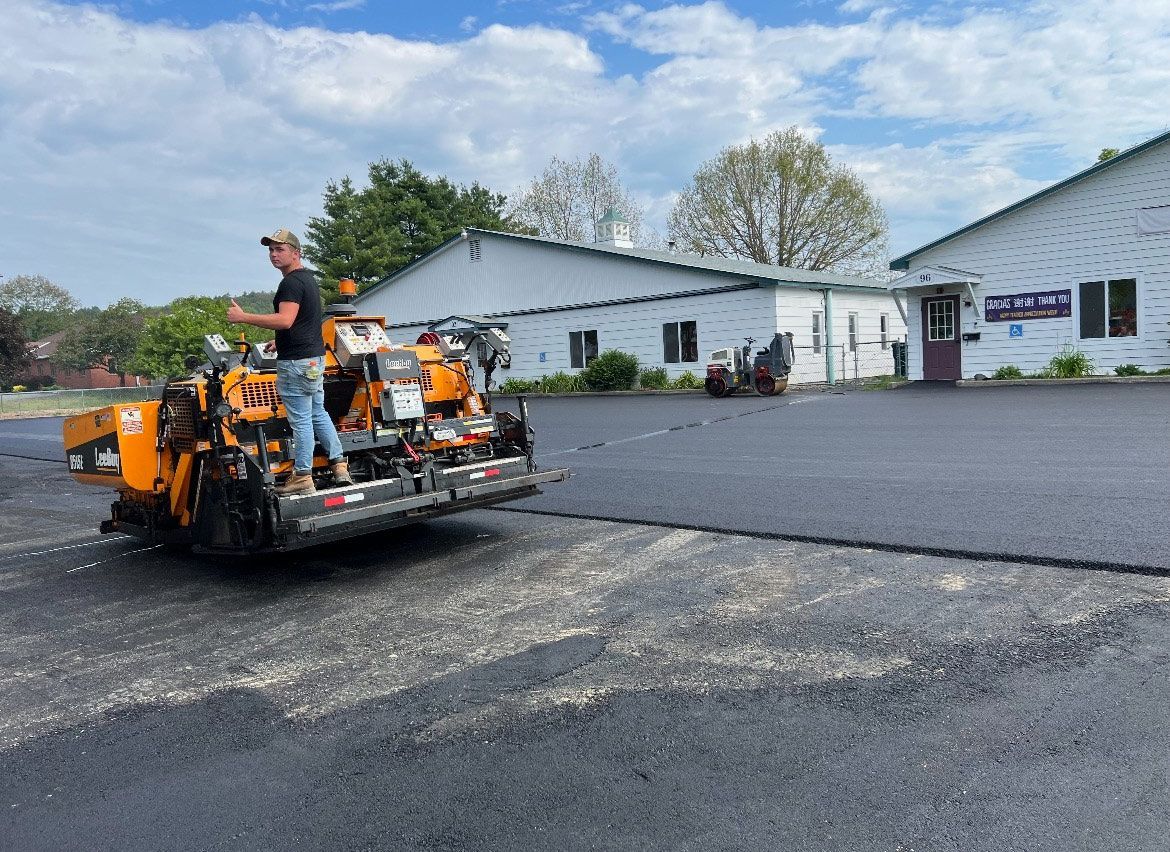
Commercial parking lot construction operates at a different scale. Larger impervious surfaces require engineered drainage systems — catch basins, detention ponds, infiltration beds, or subsurface drain fields depending on the site’s soil conditions and the municipality’s requirements. When working with commercial paving contractors in New Hampshire, the drainage plan is typically part of the initial site design and needs to be reviewed and approved before construction begins.
ADA Compliance and Accessibility Standards for Parking Lots
Any commercial paving project that includes customer or employee parking must account for ADA (Americans with Disabilities Act) accessibility requirements. This covers the number of designated accessible spaces relative to the total lot size, the dimensions of those spaces, required access aisles, signage, and the slope of the pavement in accessible areas — which must not exceed 2% in any direction.
ADA compliance isn’t optional, and it’s not something to handle as an afterthought. Parking lot striping and layout need to be designed with accessibility in mind from the start. Resurfacing an existing lot is also an opportunity to bring the accessible spaces up to current standards if they’ve slipped out of compliance over years of patching and wear.
Working with Contractors Who Know the Local Landscape
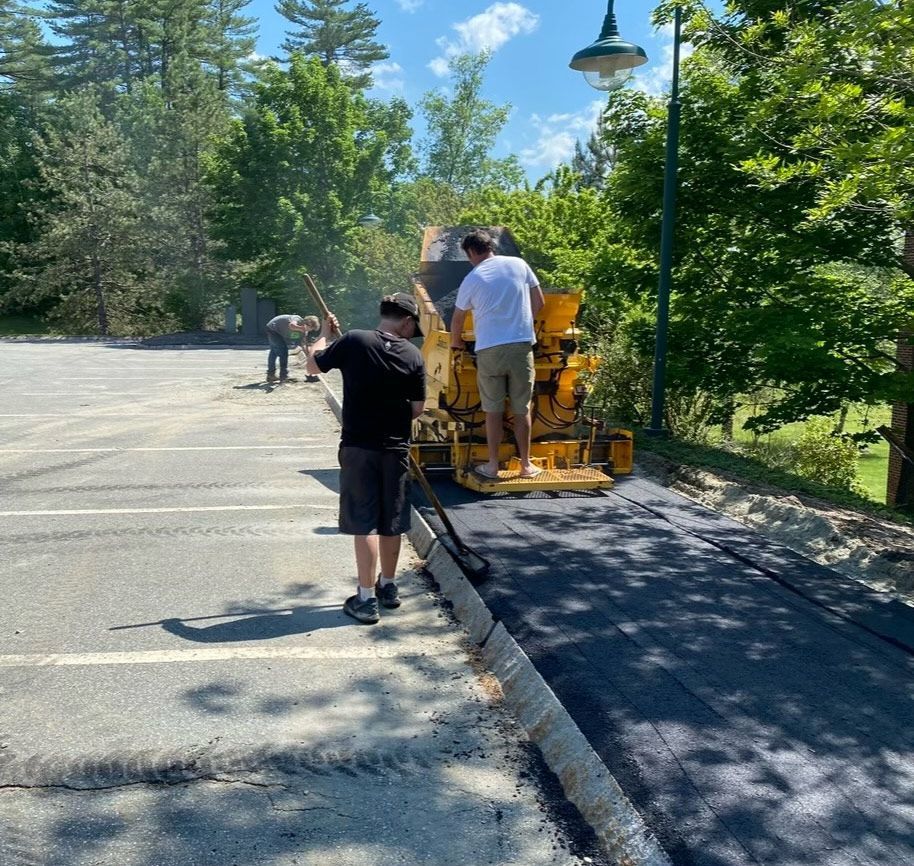
The value of hiring locally experienced asphalt paving companies NH goes well beyond knowing how to lay a smooth surface. Contractors who have been operating in New Hampshire for years have an established working relationship with local permitting offices. They know which towns have stricter impervious surface rules, where the wetland buffer zones tend to create complications, and how to structure a project timeline so inspections don’t create unnecessary delays. That institutional knowledge is difficult to replicate and worth factoring into contractor selection.
Navigating local regulations for
driveway paving or parking lot construction doesn’t need to slow your project down when you have the right team behind it.
Asphalt Worx has been serving residential and commercial clients across New Hampshire, Vermont, and The Berkshires for six generations. From blacktop driveway installations and parking lot resurfacing to professional sealcoating and asphalt reclaiming, the team brings field-tested expertise to every phase of a project — including the permitting and pre-construction groundwork that makes a job go smoothly. If you’re planning a paving project and want guidance from one of the most established asphalt paving companies NH has to offer, visit
www.goasphaltworx.com or call
(603) 439-8302 to schedule your free consultation and get your project moving in the right direction