
Blog
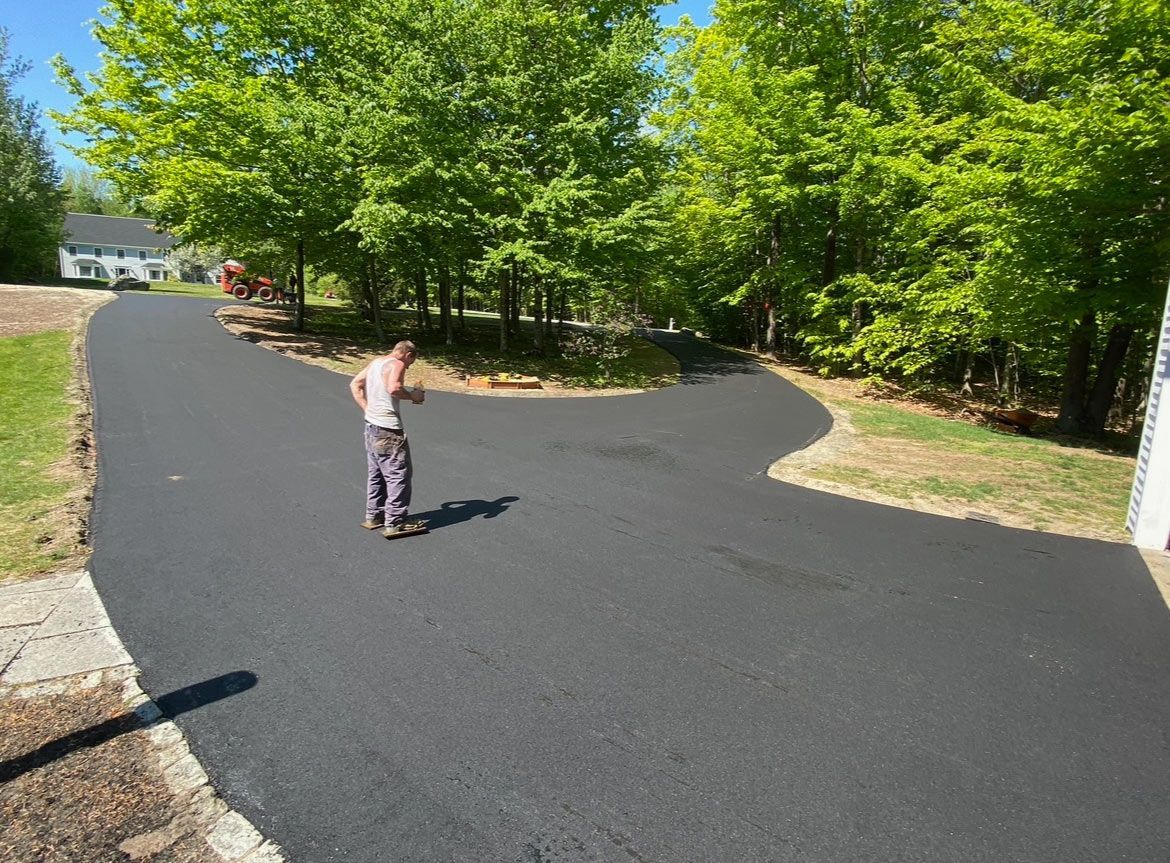
New Hampshire winters are no joke. Once the temperatures start dropping and the first hard freeze sets in, every small flaw in your pavement becomes a ticking clock. What looks like a hairline crack in October can open up into a serious structural problem by March. If you own a home or manage a commercial property in NH, knowing when to call in professionals for asphalt crack repair is one of the smartest moves you can make before the cold season arrives. This isn't about being overly cautious it's about understanding how asphalt behaves in freeze-thaw cycles and recognizing the warning signs before they turn into expensive full replacements. Why Winter Is the Worst Time for Cracked Asphalt Before getting into the specific signs, it's worth understanding what actually happens to cracked asphalt during a New England winter. Water is the real culprit here. When moisture seeps into existing cracks even small ones and then freezes, it expands. That expansion puts tremendous pressure on the surrounding asphalt from the inside out. Every freeze-thaw cycle chips away a little more at the pavement's structural integrity. What started as surface-level cracking can eventually work its way down to the base layer, compromising the entire pavement system. By the time spring arrives, you may be looking at potholes, heaving, and large-scale deterioration that could have been prevented with timely asphalt crack repair in NH before winter hit. This is especially true in the Keene area and throughout southern New Hampshire, where temperatures routinely swing above and below freezing throughout the late fall and early spring months. Clear Warning Signs That Crack Repair Can't Wait 1. Visible Surface Cracks Wider Than a Quarter Inch Not all cracks are equal. Hairline cracks the kind that are barely visible can sometimes be managed with sealcoating alone. But once a crack reaches a quarter inch in width or wider, water infiltration becomes a serious concern. At that size, debris also begins to fill the crack, preventing proper sealing and accelerating the breakdown. Run your hand along the surface. If you can feel distinct edges or the crack shifts underfoot, that's a sign the pavement has already started separating at the base. Don't wait on this one asphalt crack repair at this stage is far more cost-effective than waiting until spring. 2. Alligator Cracking Across Large Surface Areas Alligator cracking named for the pattern of interconnected cracks that resembles reptile scales is one of the most serious signs of pavement failure. Unlike isolated cracks, alligator cracking typically indicates that the base or sub-base beneath the asphalt has weakened, often from repeated water infiltration or heavy load stress over time. If you're seeing this pattern on your driveway or parking lot, the surface is telling you something important: the structural integrity has already been compromised. Addressing this before winter is critical because freeze-thaw cycles will accelerate the deterioration rapidly. A professional evaluation can determine whether crack filling, patching, or resurfacing is the right approach. What Makes Alligator Cracking Different from Surface Cracks? Surface cracks run in isolated lines and don't necessarily indicate base failure. Alligator cracking, by contrast, appears in clusters and spreads across connected sections. The distinction matters because the repair method differs significantly. Alligator-cracked areas often require base repair before the surface can be properly restored. 3. Edge Cracking Along Driveways and Lot Perimeters Edges are often the first place pavement begins to fail, particularly on residential driveways where the base doesn't extend far beyond the paved surface. Edge cracking appears as longitudinal breaks running parallel to the pavement's edge, sometimes accompanied by crumbling or raveling. In NH, this type of cracking tends to worsen quickly once frost sets in because the edges lack the lateral support that the center of the pavement has. Water collects along these edges, freezes, and pushes the pavement upward or inward. Asphalt crack repair NH homeowners should prioritize includes addressing edge cracks before the ground freezes once that happens, proper sealing and adhesion become significantly harder to achieve. 4. Cracks Near Drainage Areas or Low Spots Pay close attention to cracks that appear in areas where water tends to pool or drain slowly. Standing water is a major accelerator of pavement damage. If cracks are forming in low spots on your lot or driveway, it means water is already sitting against the asphalt longer than it should and once it has a crack to enter through, freeze-thaw damage compounds quickly. This combination of poor drainage and cracking is particularly common in older parking lots and driveways that were installed without adequate grading. Repairing the cracks without also addressing the drainage issue will only provide a temporary fix, so a thorough professional inspection is worth the time. How Crack Severity Changes After the First Freeze The Window Closes Faster Than You Think Most property owners underestimate how quickly the repair window closes in New Hampshire. Crack fillers and sealants require a minimum temperature typically above 50°F to cure properly and bond to the asphalt. Once daytime temperatures drop consistently below that threshold, the effectiveness of any repair work diminishes significantly. There's a reason experienced paving professionals consistently advise scheduling asphalt crack repair in NH no later than early fall. Waiting until you notice active deterioration in late October or November often means waiting until spring and a lot more damage between now and then. When Crack Repair Alone Isn't Enough There are situations where crack filling is only part of the answer. If your pavement is more than 20 years old, shows widespread cracking across the entire surface, or has developed potholes and significant depression areas, a full resurfacing or reclamation may be the more practical long-term solution. Reclaiming and repaving allows contractors to address base issues that crack repair simply can't reach. For commercial properties in particular, where heavy vehicle traffic accelerates wear, understanding the difference between a surface repair and a structural one is essential before investing in any pre winter work. A professional assessment should always be the first step when you're unsure how deep the damage goes. Protecting Your Investment Before the Ground Freezes Asphalt is a long-term investment. A well-maintained driveway or parking lot can last 20 to 30 years with the right care and a significant part of that care happens in the fall. Beyond crack repair, pairing that work with a professional sealcoating application adds a protective barrier against moisture, UV exposure, and the repeated stress of freeze-thaw cycles. The combination of asphalt crack repair and sealcoating is the standard pre winter maintenance approach for a reason: it addresses existing damage while fortifying the surface against what's coming. If your driveway or parking lot is showing any of these signs, now is the time to act not after the first snowfall. Asphalt Worx LLC serves homeowners and businesses across New Hampshire, Vermont, and The Berkshires, providing expert asphalt crack repair in NH and comprehensive pavement maintenance solutions. With six generations of paving experience behind every project, the team at Asphalt Worx brings field-proven knowledge to every assessment and repair. Reach out to schedule a free consultation before the season changes your pavement will thank you come spring.
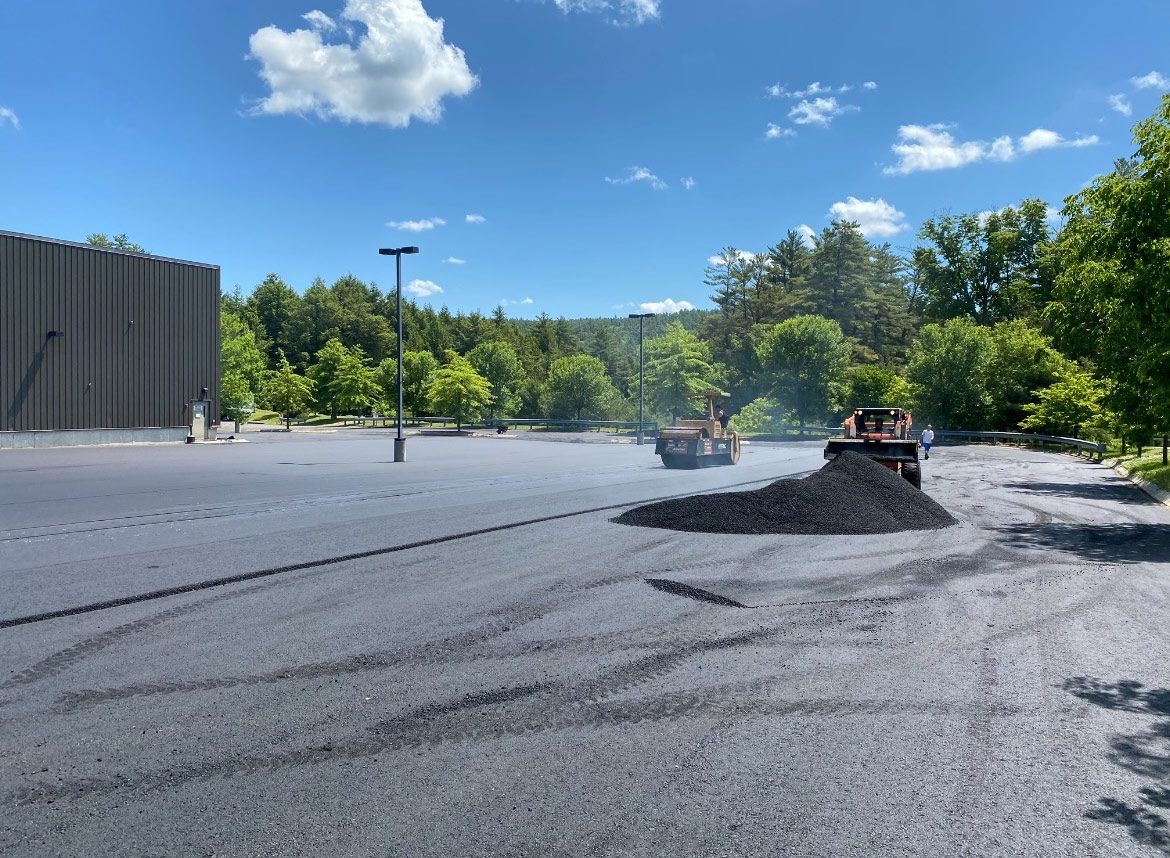
New Hampshire winters are no joke. Once the temperatures start dropping and the first hard freeze sets in, every small flaw in your pavement becomes a ticking clock. What looks like a hairline crack in October can open up into a serious structural problem by March. If you own a home or manage a commercial property in NH, knowing when to call in professionals for asphalt crack repair is one of the smartest moves you can make before the cold season arrives. This isn't about being overly cautious it's about understanding how asphalt behaves in freeze-thaw cycles and recognizing the warning signs before they turn into expensive full replacements. Why Winter Is the Worst Time for Cracked Asphalt Before getting into the specific signs, it's worth understanding what actually happens to cracked asphalt during a New England winter. Water is the real culprit here. When moisture seeps into existing cracks even small ones and then freezes, it expands. That expansion puts tremendous pressure on the surrounding asphalt from the inside out. Every freeze-thaw cycle chips away a little more at the pavement's structural integrity. What started as surface-level cracking can eventually work its way down to the base layer, compromising the entire pavement system. By the time spring arrives, you may be looking at potholes, heaving, and large-scale deterioration that could have been prevented with timely asphalt crack repair in NH before winter hit. This is especially true in the Keene area and throughout southern New Hampshire, where temperatures routinely swing above and below freezing throughout the late fall and early spring months. Clear Warning Signs That Crack Repair Can't Wait 1. Visible Surface Cracks Wider Than a Quarter Inch Not all cracks are equal. Hairline cracks the kind that are barely visible can sometimes be managed with sealcoating alone. But once a crack reaches a quarter inch in width or wider, water infiltration becomes a serious concern. At that size, debris also begins to fill the crack, preventing proper sealing and accelerating the breakdown. Run your hand along the surface. If you can feel distinct edges or the crack shifts underfoot, that's a sign the pavement has already started separating at the base. Don't wait on this one asphalt crack repair at this stage is far more cost-effective than waiting until spring. 2. Alligator Cracking Across Large Surface Areas Alligator cracking named for the pattern of interconnected cracks that resembles reptile scales is one of the most serious signs of pavement failure. Unlike isolated cracks, alligator cracking typically indicates that the base or sub-base beneath the asphalt has weakened, often from repeated water infiltration or heavy load stress over time. If you're seeing this pattern on your driveway or parking lot, the surface is telling you something important: the structural integrity has already been compromised. Addressing this before winter is critical because freeze-thaw cycles will accelerate the deterioration rapidly. A professional evaluation can determine whether crack filling, patching, or resurfacing is the right approach. What Makes Alligator Cracking Different from Surface Cracks? Surface cracks run in isolated lines and don't necessarily indicate base failure. Alligator cracking, by contrast, appears in clusters and spreads across connected sections. The distinction matters because the repair method differs significantly. Alligator-cracked areas often require base repair before the surface can be properly restored. 3. Edge Cracking Along Driveways and Lot Perimeters Edges are often the first place pavement begins to fail, particularly on residential driveways where the base doesn't extend far beyond the paved surface. Edge cracking appears as longitudinal breaks running parallel to the pavement's edge, sometimes accompanied by crumbling or raveling. In NH, this type of cracking tends to worsen quickly once frost sets in because the edges lack the lateral support that the center of the pavement has. Water collects along these edges, freezes, and pushes the pavement upward or inward. Asphalt crack repair NH homeowners should prioritize includes addressing edge cracks before the ground freezes once that happens, proper sealing and adhesion become significantly harder to achieve. 4. Cracks Near Drainage Areas or Low Spots Pay close attention to cracks that appear in areas where water tends to pool or drain slowly. Standing water is a major accelerator of pavement damage. If cracks are forming in low spots on your lot or driveway, it means water is already sitting against the asphalt longer than it should and once it has a crack to enter through, freeze-thaw damage compounds quickly. This combination of poor drainage and cracking is particularly common in older parking lots and driveways that were installed without adequate grading. Repairing the cracks without also addressing the drainage issue will only provide a temporary fix, so a thorough professional inspection is worth the time. How Crack Severity Changes After the First Freeze The Window Closes Faster Than You Think Most property owners underestimate how quickly the repair window closes in New Hampshire. Crack fillers and sealants require a minimum temperature typically above 50°F to cure properly and bond to the asphalt. Once daytime temperatures drop consistently below that threshold, the effectiveness of any repair work diminishes significantly. There's a reason experienced paving professionals consistently advise scheduling asphalt crack repair in NH no later than early fall. Waiting until you notice active deterioration in late October or November often means waiting until spring and a lot more damage between now and then. When Crack Repair Alone Isn't Enough There are situations where crack filling is only part of the answer. If your pavement is more than 20 years old, shows widespread cracking across the entire surface, or has developed potholes and significant depression areas, a full resurfacing or reclamation may be the more practical long-term solution. Reclaiming and repaving allows contractors to address base issues that crack repair simply can't reach. For commercial properties in particular, where heavy vehicle traffic accelerates wear, understanding the difference between a surface repair and a structural one is essential before investing in any pre winter work. A professional assessment should always be the first step when you're unsure how deep the damage goes. Protecting Your Investment Before the Ground Freezes Asphalt is a long-term investment. A well-maintained driveway or parking lot can last 20 to 30 years with the right care and a significant part of that care happens in the fall. Beyond crack repair, pairing that work with a professional sealcoating application adds a protective barrier against moisture, UV exposure, and the repeated stress of freeze-thaw cycles. The combination of asphalt crack repair and sealcoating is the standard pre winter maintenance approach for a reason: it addresses existing damage while fortifying the surface against what's coming. If your driveway or parking lot is showing any of these signs, now is the time to act not after the first snowfall. Asphalt Worx LLC serves homeowners and businesses across New Hampshire, Vermont, and The Berkshires, providing expert asphalt crack repair in NH and comprehensive pavement maintenance solutions. With six generations of paving experience behind every project, the team at Asphalt Worx brings field-proven knowledge to every assessment and repair. Reach out to schedule a free consultation before the season changes your pavement will thank you come spring.
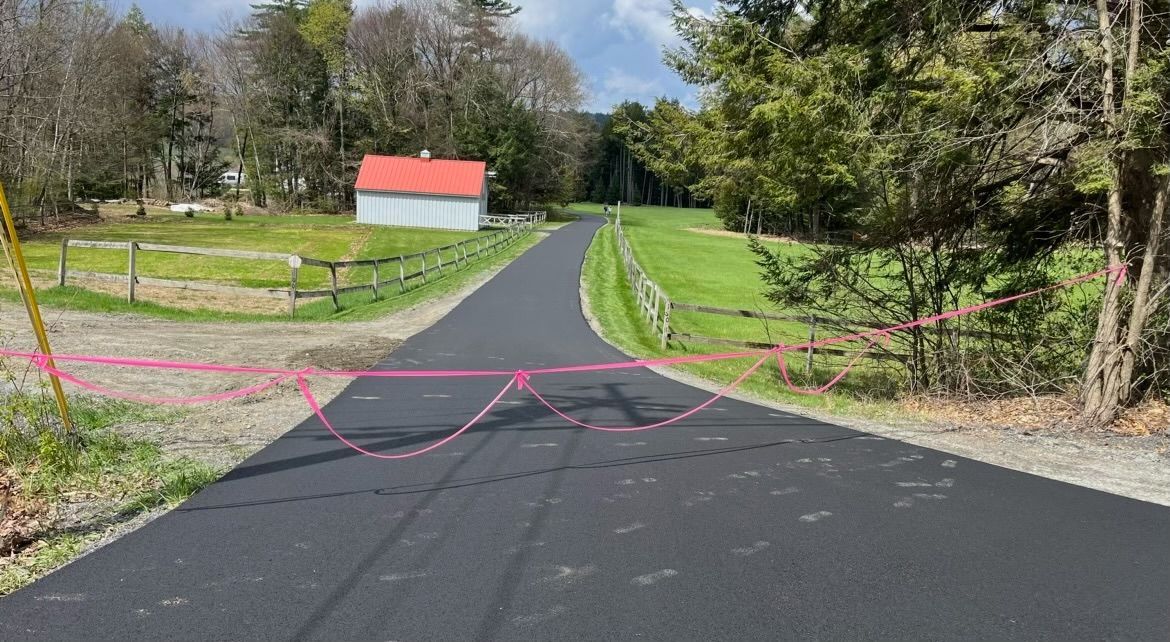
Hiring the wrong paving contractor is an expensive lesson. Not just in dollars, but in time waiting out a bad installation, dealing with a surface that fails two winters in, or trying to get someone to honor a warranty they clearly had no intention of standing behind. I've seen the aftermath of those decisions more times than I'd like to count, and in almost every case, the homeowner had no idea what to look for when they made the hire. Whether you need a new driveway laid from scratch, asphalt driveway repair on a surface that's starting to show its age, or resurfacing work before another New Hampshire winter arrives, the contractor you choose will determine far more than the final price. Their experience, their process, the materials they use, and the way they handle your job site all feed directly into how long that pavement actually lasts. This guide walks through the qualities that genuinely separate professional paving contractors in New Hampshire from the operations that look the part but fall short when it counts. Verifiable Local Experience in New Hampshire Conditions Paving isn't the same everywhere. A contractor who has spent years working in a southern climate where the ground rarely freezes hasn't developed the instincts needed for New Hampshire work. The freeze thaw cycles here are relentless from November through March, and they expose every shortcut inadequate base depth, improper drainage grading, mix designs that don't flex well under cold weather stress. These failures show up fast, and they're rarely cheap to fix. When you're evaluating professional paving contractors in New Hampshire, ask specifically about their local project history. Not just how many years they've been in business, but how many years they've been doing this work in this region. A contractor who's paved driveways in Keene, Chesterfield, Swanzey, and surrounding towns over multiple seasons understands what base preparation actually looks like here, what asphalt mix performs under heavy frost, and how to set grades that move water away before it becomes a structural problem. That regional knowledge isn't something you can learn from a manual. How to Evaluate a Contractor's Project History Ask to see a portfolio of completed work and not just photos taken immediately after installation, when everything looks good. Ask if they have before and after documentation on asphalt driveway repair jobs. Ask whether they have references from customers whose driveways have been in service for three or more years. A surface that looks sharp on day one and holds up through three New Hampshire winters is a completely different achievement from one that was simply laid clean. Legitimate professional paving contractors in New Hampshire won't hesitate to put you in touch with past clients. Transparent Process from Site Assessment to Final Compaction One of the clearest signs that you're dealing with a serious paving operation is how much detail they offer before the job starts. A contractor who shows up, gives you a number, and expects a handshake without walking the site, discussing base conditions, drainage, or material specifications is telling you something about how they work. The estimate process should feel like a conversation, not a sales pitch. What a Proper Site Assessment Looks Like A thorough site visit for new driveway paving or asphalt driveway repair should cover the existing base condition, drainage patterns across and around the pavement area, edge support requirements, and whether any subgrade correction is needed before paving begins. If a contractor skips past these questions entirely or can't speak to them clearly, that's a red flag worth taking seriously. Good paving starts well below the surface you can see, and any specialist worth hiring knows that. The same applies to the paving process itself. Professional paving contractors in New Hampshire should be able to walk you through their workflow: how they handle sub base preparation, what asphalt mix they're specifying and why, what thickness they're targeting for your driveway's expected load, and how they approach edge transitions and final compaction. If the answers feel vague or dismissive, keep looking. Written Estimates and Scope Clarity Always insist on a written estimate that breaks down the scope of work not just a single line item with a total price. The estimate should specify what's being removed (if anything), how deep the base preparation will go, what mix design is being used for the surface course, and what the compacted depth of the finished asphalt will be. This level of detail protects you if there's ever a dispute about what was agreed upon, and it also reveals quickly whether the contractor is pricing for a real job or just the surface level impression of one. Proper Licensing, Insurance, and Standing in the Industry This is the part homeowners most often skip over because it feels like bureaucratic box checking. It isn't. Licensing and insurance requirements exist because paving work especially asphalt driveway repair and full installations involves heavy equipment, significant labor, and outcomes that affect your property value for years. A contractor operating without proper coverage exposes you to liability if something goes wrong on your property during the job. Before signing anything, ask to see current certificates of liability insurance and workers' compensation coverage. Verify that both are active and that the coverage limits are appropriate for the scale of work being done. Then ask about licensing requirements in New Hampshire and confirm the contractor is compliant. This takes ten minutes and can save you an enormous headache if the job goes sideways. Family Owned Operations vs. Large Crews: What the Difference Means for You There's a meaningful difference between a locally rooted, family run paving operation and a large contractor that cycles crews and subcontracts frequently. With a family owned company, the person running the business typically has skin in the game on every job their reputation in the community is built project by project, neighbor to neighbor. They're more likely to show up personally, more likely to address a concern without a fight, and more motivated to do work that holds up over time because the referrals matter. That's not to say every large paving firm does poor work plenty don't. But when you're hiring professional paving contractors in New Hampshire for residential asphalt driveway repair or a full driveway installation, a company with deep local roots and an established presence in your region tends to carry a level of accountability that benefits you as the customer. Understanding What's Included in the Warranty and Post Job Support A warranty isn't worth much if the contractor who issued it won't be reachable when you need to use it. Before hiring anyone for paving work, ask directly: what do you warrant, for how long, and what does the claims process look like? A contractor who's proud of their work will have clear, straightforward answers. One who fumbles through this conversation or gives you a verbal assurance with nothing in writing is not offering you real protection. Sealcoating Guidance and Long Term Maintenance Advice A quality paving contractor doesn't just install the surface and disappear. Part of their value is helping you understand what the driveway needs to last. That means giving you honest guidance on sealcoating timelines typically no sooner than six to twelve months after installation for a new asphalt surface, and then on a two to three year cycle after that. It means telling you when to address cracks before they widen, how to manage edge drainage, and what early warning signs look like on a surface that needs professional attention. The contractors who offer this kind of ongoing guidance aren't trying to upsell you on unnecessary services. They're protecting the investment you made by hiring them, and they know that a well maintained driveway is the best advertisement for their work. When a contractor takes time to explain the maintenance cycle and checks in after the job, that's a strong signal that you hired someone who takes the long view. Finding the right professional paving contractors in New Hampshire takes more effort than grabbing the first name that comes up in a search, but the difference in outcome is significant. A contractor with genuine local experience, a transparent process, proper credentials, and a track record of standing behind their work will deliver asphalt driveway repair and installation results that hold up through season after season of New England weather. Asphalt Worx LLC brings six generations of paving knowledge to residential and commercial projects across New Hampshire, Vermont, and The Berkshires. If you're evaluating your options and want to work with a team that will give your driveway the attention it deserves, visit goasphaltworx.com to learn more or schedule a free consultation.
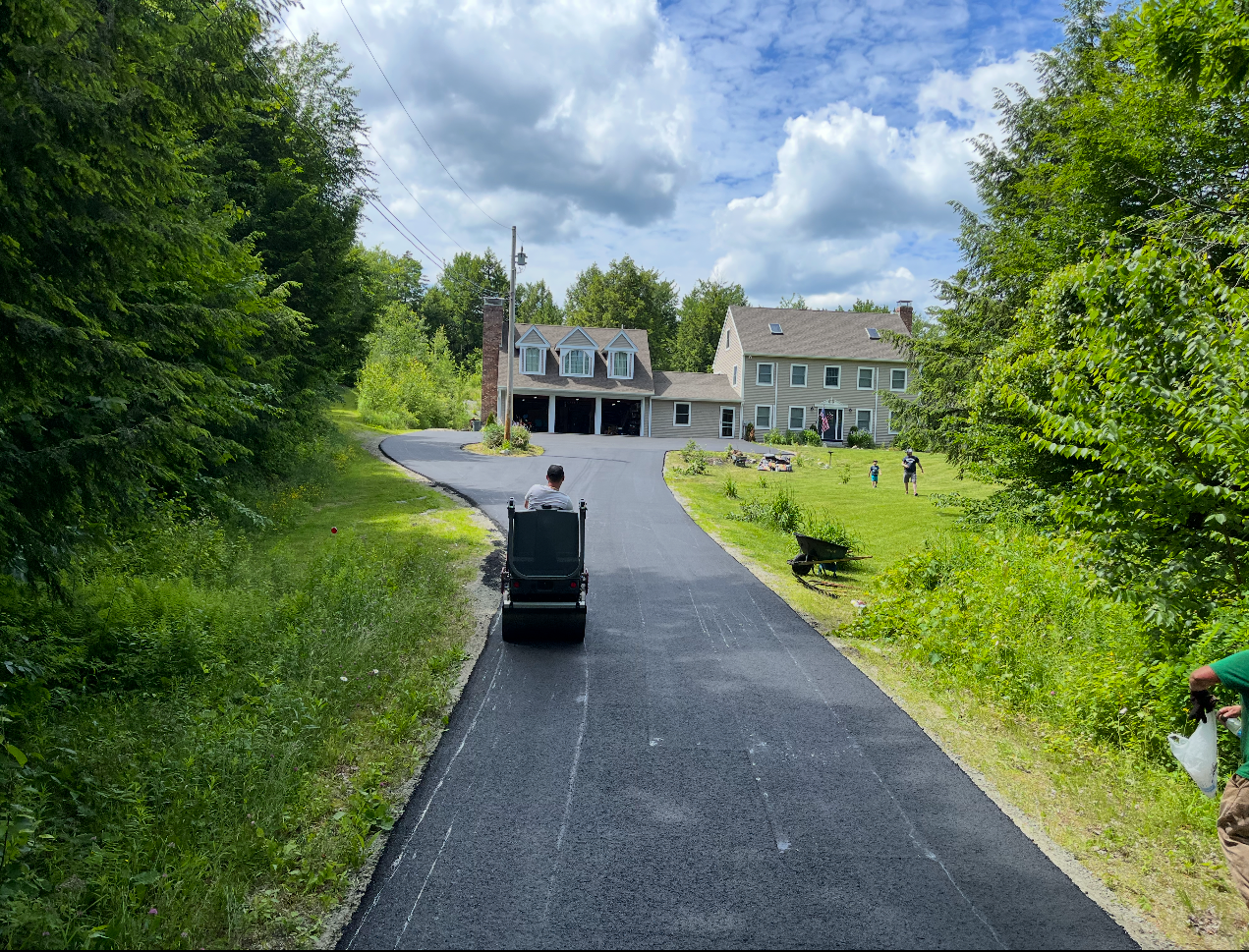
There's something most business owners don't think about until it's too late the parking lot. Before a customer ever walks through the front door, before they read a sign, before they speak with a single employee, they've already formed an opinion. They've pulled in, parked, and taken three steps across your pavement. And in those three steps, they've made a judgment call. A cracked, faded, pothole riddled lot says one thing loud and clear: this place doesn't pay attention to details. A clean, smooth, freshly paved surface says something else entirely. It signals care, professionalism, and pride of ownership. If you're running a business in New Hampshire and your parking area is showing its age, this isn't just an aesthetic concern it's a customer retention problem you might not even realize you have. The Psychology Behind Pavement and Perception People are visual by nature. Within seconds of arriving somewhere new, the brain is processing environmental cues and drawing conclusions. Researchers in consumer behavior have consistently found that the physical condition of a business's exterior including its parking areas directly influences how much trust and confidence a customer places in that business before they've even made contact. Think about the last time you pulled into a parking lot filled with standing water, jagged cracks running across the surface, and chunks of asphalt missing near the curb. Did you feel good about the business you were visiting? Or did a quiet doubt creep in? Now flip that. Think about pulling into a lot with a clean, dark, smooth blacktop surface, clearly painted lines, and proper drainage that keeps puddles from forming. It feels organized. It feels like the people inside care about their operation. That contrast is real, and it plays out every single day in towns across New Hampshire. What Damaged Pavement Is Actually Costing You Lost Revenue You Never Track Most businesses calculate losses from things they can measure returned merchandise, unused inventory, employee turnover. What rarely shows up in any report is the customer who pulled into your lot, saw the condition of it, and drove straight out without stopping. It happens more than you'd think. Cracked, uneven pavement doesn't just look bad it creates a subconscious signal that the business isn't doing well, isn't well managed, or isn't safe. People don't articulate this thought. They just leave. Liability Exposure Beyond perception, deteriorating asphalt creates real physical risk. Potholes cause tire and suspension damage. Raised edges and crumbling sections create trip hazards for pedestrians. In New Hampshire, where freeze thaw cycles are relentless from late fall through early spring, pavement damage accelerates fast. A small crack in October can become a dangerous pothole by March if it's left untreated. Property owners can face liability claims when customers are injured on poorly maintained surfaces. The cost of one legal matter will far exceed the cost of timely asphalt driveway repair or lot maintenance. Accelerated Deterioration Here's what most people don't know about pavement damage: it compounds. A small crack lets water in. Water freezes and expands in the winter months. That crack grows. More water gets in. By the next season, what was a hairline crack is a two inch gap, and what was a two inch gap is now a pothole. Ignoring minor asphalt driveway repair issues doesn't buy time it multiplies the problem and the eventual cost. How Professional Blacktop Paving Services Make the Difference Understanding What Your Pavement Actually Needs Not every damaged lot needs a full replacement. Part of what makes quality blacktop paving services in New Hampshire valuable is the diagnostic approach that comes with real field experience. A trained eye can tell the difference between surface level wear that responds well to sealcoating, moderate cracking that needs targeted crack filling and patching, and base level failure that requires milling and full resurfacing. Getting that assessment right from the start saves money and ensures you're not putting a cosmetic fix on a structural problem. Asphalt Driveway Repair: Starting With What's There For commercial lots and residential driveways alike, asphalt driveway repair is often the most cost effective first move. This means filling cracks before they widen, patching potholes to restore a smooth, safe surface, and addressing drainage issues that cause water to pool and accelerate damage. Done right with proper preparation, the right materials, and appropriate compaction repair work can extend the usable life of an existing surface by years. Done poorly, it's just a temporary patch that fails again in one season. This is where the difference between experienced local contractors and quick fix operators becomes obvious. Blacktop paving services in New Hampshire that have been around long enough to understand the regional climate, soil conditions, and seasonal demands know how to approach repairs in a way that actually holds. Resurfacing and New Installation When repair alone isn't enough, resurfacing sometimes called overlay or mill and fill gives a parking area or driveway an essentially new top layer without the full cost of starting from scratch. The old surface is milled down to a uniform depth, any base issues are addressed, and fresh asphalt is laid and compacted. The result is a surface that looks and performs like new. For commercial properties especially, the visual impact is immediate. Customers notice. For properties where the base has failed completely, or where a new lot is being added, full depth paving is the right path. This is particularly common with expanding businesses that need additional parking capacity or with older properties that have deferred maintenance for too long. What Good Pavement Maintenance Looks Like Over Time Year One Cure and Protect Fresh asphalt needs time to cure fully, typically 90 days before it reaches maximum hardness. During this period, avoiding sharp turns in place, heavy concentrated loads, and excessive heat on the surface protects the investment. After the curing period, a first sealcoat application locks in the surface and starts building protection against UV degradation and moisture intrusion. Years Two Through Four Monitor and Address This is the maintenance window. Small cracks are caught early, crack filled before the next winter, and kept from growing. Drainage patterns are checked. Any settling or soft spots are addressed before they become potholes. This is the phase where staying on top of minor asphalt driveway repair pays the biggest dividends. Year Five and Beyond Reseal and Evaluate A second sealcoat application around years four to six extends surface life significantly. At this point, an assessment of the overall pavement condition helps determine whether continued maintenance, partial resurfacing, or a full overlay makes the most sense for the next several years. Properties that follow this kind of structured maintenance timeline routinely get 20 or more years out of their asphalt. Those that ignore it often find themselves facing a full replacement in 10. New Hampshire's Climate and Why It Demands Quality Work Anyone who's lived through a New Hampshire winter understands what asphalt takes on every year. Temperatures swing dramatically. Roads get treated with sand and salt. Freeze thaw cycles stress pavement through expansion and contraction. Spring thaw softens subgrade soils. Summer heat makes asphalt pliable enough that it can rut under heavy traffic. This environment is genuinely demanding, and it's part of why blacktop paving services in New Hampshire have to be done to a higher standard than in more temperate climates. The materials matter. The mix design matters. The thickness of installation matters. The grading and drainage work that happens before a single shovel of asphalt is laid matters enormously. Contractors who cut corners in these areas produce work that fails faster. The freeze thaw cycle finds every weakness. First Impressions Are Built on More Than You Think A smooth, well maintained parking area or driveway doesn't just look professional it communicates something about who you are and how you operate. It tells customers that you take care of your property. It tells them you think about their experience before they even walk inside. It tells them you're the kind of business that handles things properly. That's a powerful message to send before a single word is exchanged. If your commercial property or residential driveway in New Hampshire is showing wear cracking, potholes, fading, drainage problems now is the time to address it before another season of weather cycles does more damage. Whether it's targeted asphalt driveway repair or a broader resurfacing project, the right blacktop paving services in New Hampshire can restore that first impression and protect your investment for years to come. Asphalt Worx LLC brings six generations of hands on paving experience to every project across New Hampshire, Vermont, and The Berkshires. From asphalt driveway repair and sealcoating to full commercial lot resurfacing, the team at Asphalt Worx delivers durable, professional results built to handle everything New Hampshire's seasons throw at them. To schedule a free consultation or request a quote, visit goasphaltworx.com or call (603) 439 8302 today.
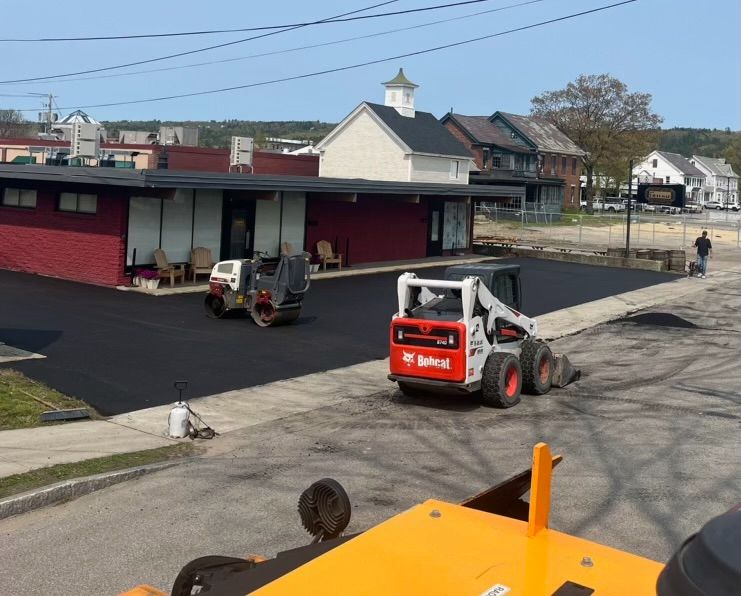
Most homeowners never think about their driveway until something goes wrong, a crack widens, a pothole forms, or the surface starts crumbling at the edges. By that point, the small preventable problem has quietly become an expensive repair job. Having spent years working on asphalt driveway repair across New Hampshire, I've watched the same pattern repeat itself more times than I can count. The driveway looked fine from a distance, but up close, the signs of neglect were everywhere. What surprises most people isn't the damage itself, it's how avoidable it usually was. New Hampshire's climate is particularly unforgiving on asphalt. The freeze thaw cycles that run from late fall through early spring, the weight of heavy snowplowing equipment, and summer UV exposure all conspire against even a well installed surface. But here's what I've learned: the climate isn't the primary reason driveways fail prematurely. The real culprit is almost always maintenance that got skipped, delayed, or done wrong. Ignoring Small Cracks Until They Become Big Problems A crack in your asphalt driveway isn't just cosmetic damage. It's an open invitation for water, and water is the single most destructive force working against your pavement. When moisture seeps into a crack and then freezes, it expands. That expansion widens the crack, weakens the surrounding asphalt, and begins undermining the base material beneath. Come spring, what was once a hairline fracture is now a jagged gap and the base is already compromised. The 'It's Just a Small Crack' Mentality This is probably the most common mistake I see during asphalt driveway repair consultations in New Hampshire. Homeowners rationalize the delay because the crack seems manageable. And it is manageable, when it's small. A crack under a quarter inch wide can typically be sealed with a quality filler and left to perform well for several more seasons. That same crack, left alone through a New Hampshire winter, can evolve into a pothole or a network of alligator cracking that requires a much more intensive repair approach. The rule of thumb I always share with property owners: if you can fit a quarter into the crack, it's no longer a small problem. Address cracks as soon as you notice them, ideally in late spring or early fall when temperatures are moderate and the asphalt is more receptive to adhesion. Edge Cracking: The Overlooked Starting Point Cracks don't always begin in the middle of a driveway. Edge cracking deterioration along the outer borders is extremely common in New Hampshire driveways and often goes unnoticed until it migrates inward. This typically happens when the edges lack proper support, whether from missing border material, vehicle tire tracking too close to the edge, or poor drainage that saturates the soil just beyond the pavement line. Keeping grass and vegetation trimmed back from the driveway edge and ensuring water doesn't pool along the border are two simple habits that prevent a surprising amount of long term damage. Skipping Sealcoating or Doing It at the Wrong Time Sealcoating is probably the most misunderstood aspect of asphalt driveway maintenance. Some homeowners skip it entirely, assuming their driveway looks fine without it. Others apply it too frequently, too soon after installation, or during weather conditions that prevent it from curing properly. Any of these approaches leads to surface breakdown that accelerates the need for asphalt driveway repair. How Sealcoating Protects Your Investment Asphalt is a petroleum based material that oxidizes over time when exposed to UV light, oxygen, and moisture. This oxidation causes the surface to become brittle and gray, losing the flexibility that makes asphalt durable under traffic loads and temperature swings. Sealcoating applies a protective layer that slows this oxidation process significantly. Think of it like sunscreen for your driveway it doesn't stop aging entirely, but it dramatically extends the surface's useful life. For a new asphalt driveway in New Hampshire, professionals generally recommend waiting at least six months to a year before applying the first sealcoat. The asphalt needs time to cure and off gas properly. After that initial application, resealing every two to three years is a sound maintenance interval for most residential driveways. Doing it too frequently traps gases and can actually reduce adhesion quality. Temperature matters enormously during application. Sealcoating should only be applied when daytime temperatures are consistently above 50°F and rain isn't expected for at least 24 to 48 hours afterward. Applying a sealcoat too late in the season a common mistake in our northern climate means the product never fully cures before winter arrives, and you've essentially wasted the application while still leaving the surface unprotected. Poor Drainage and Water Management Around the Driveway Water is the most persistent enemy of asphalt pavement, and yet drainage issues around residential driveways rarely get the attention they deserve. When water has nowhere to go, it sits on the surface, along the edges, and eventually beneath the pavement where it softens the base material and triggers the sinking, cracking, and rutting that requires significant asphalt driveway repair work down the road. Signs That Drainage Is Working Against Your Driveway Standing water on the driveway surface after rain is one obvious sign, but drainage problems often show up in subtler ways first. Watch for depressions forming in the asphalt surface, particularly in areas where vehicles regularly park or turn. These low spots indicate that the base beneath is losing structural integrity, often because water has repeatedly saturated and weakened it. You might also notice the edges of the driveway beginning to sink or separate from adjacent surfaces another sign that moisture is undermining the foundation. Correcting drainage problems sometimes means regrading the surrounding landscape to encourage water to move away from the driveway, installing channel drains at low points, or ensuring that downspouts from gutters don't empty directly onto or alongside the pavement. These aren't glamorous projects, but they protect the driveway investment far more effectively than resurfacing a surface that's going to keep failing from underneath. Why New Hampshire Winters Amplify Every Drainage Flaw In warmer climates, poor drainage is a nuisance. In New Hampshire, it's genuinely destructive. Water that pools on or around an asphalt driveway in November will freeze and thaw repeatedly over the following months. Each cycle expands the moisture within the asphalt's pores and beneath its base, gradually prying it apart from within. By the time the ground thaws in April, the damage is done cracks, heaving, and depressions that weren't there the previous fall. No amount of patching will fix a surface that keeps getting attacked from below. Delaying Repairs and Choosing Quick Fixes Over Proper Solutions There's a certain logic to putting off driveway repairs budgets are tight, the problem seems manageable, or winter is coming and it seems pointless to address things now. The reality, however, is that delay almost always increases the scope and cost of eventual repair. A pothole that could have been patched in an afternoon grows through the winter months and may require base repair by spring. Alligator cracking that starts in one corner can spread across half the driveway if left unaddressed. I've also seen homeowners reach for DIY cold patch products when a proper asphalt driveway repair is what the situation actually calls for. Cold patch materials have their place they're good for temporary fixes that get you through a season but they're not a permanent solution. They don't bond to the surrounding asphalt the same way hot mix patching does, and they typically start to loosen and crumble within a year or two under normal traffic and freeze thaw conditions. The visible repair may look fine initially, but water infiltration around the patch continues underneath. Proper patching, on the other hand, involves cutting out the damaged section cleanly, compacting the base material beneath, and filling with hot mix asphalt that's properly graded and compacted to match the surrounding surface. It's a more involved process, but it produces a repair that can last for years rather than months. Heavy Loads, Soft Spots, and the Problem of Exceeding Capacity Residential driveways are designed to handle passenger vehicles and light trucks. They're not engineered to bear the repeated weight of large delivery vehicles, heavy equipment, or construction materials parked in the same location over extended periods. When a surface is consistently overloaded, the asphalt flexes beyond its design limit, and the base material compresses unevenly beneath it. The result is rutting, cracking, and localized depressions that make the driveway both unsightly and unsafe. During warm summer months, asphalt becomes softer and more pliable. This is actually normal it's part of what gives asphalt its durability over time but it also means the surface is more susceptible to indentation from heavy point loads during peak heat. Things like dumpster placement, scissor jacks used for vehicle work, and even tight vehicle turns during a hot August afternoon can leave permanent impressions if the surface is under load for too long. Being conscious of what's sitting on your driveway and for how long, particularly during summer heat waves, goes a long way toward preserving the surface between asphalt driveway repair cycles. A driveway that's properly maintained doesn't just look better it lasts significantly longer and avoids the large scale replacement costs that catch so many homeowners off guard. Whether you're dealing with early stage cracking, recurring potholes, or a surface that's simply showing its age, getting ahead of the problem is always less expensive than waiting. Asphalt Worx LLC has been handling asphalt driveway repair in New Hampshire for generations, and the team at goasphaltworx.com brings that depth of field experience to every assessment and repair project. If your driveway has been sending warning signs, this is the time to get a professional set of eyes on it before another New Hampshire winter does the deciding for you.
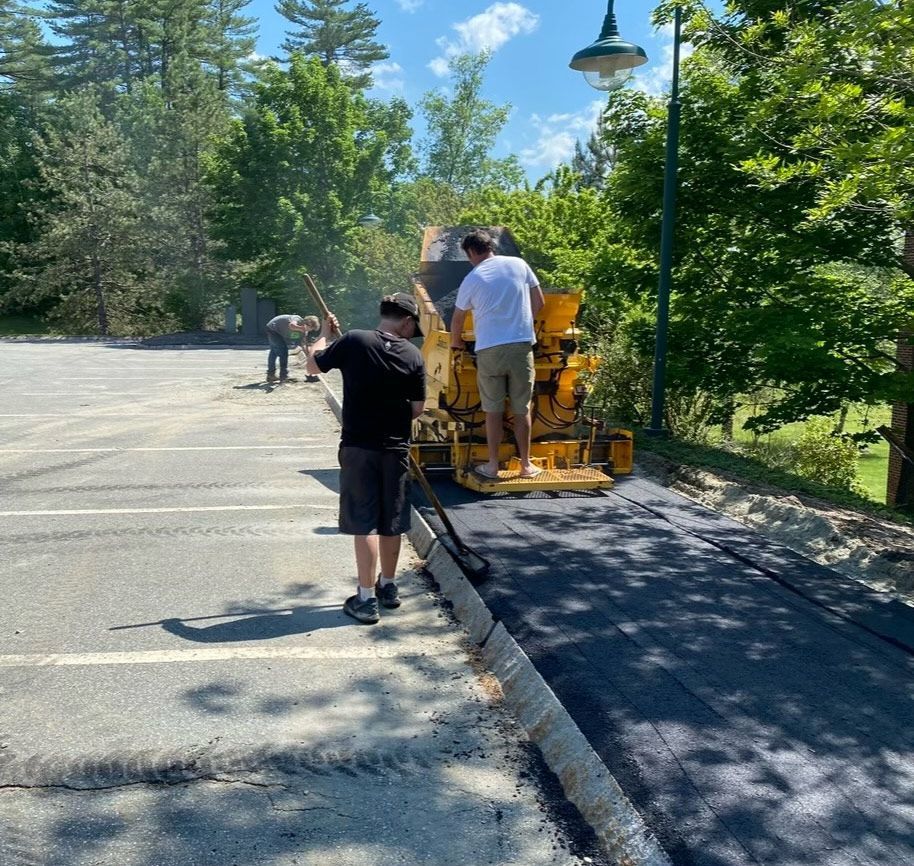
Most homeowners never think about their driveway until something goes wrong, a crack widens, a pothole forms, or the surface starts crumbling at the edges. By that point, the small preventable problem has quietly become an expensive repair job. Having spent years working on asphalt driveway repair across New Hampshire, I've watched the same pattern repeat itself more times than I can count. The driveway looked fine from a distance, but up close, the signs of neglect were everywhere. What surprises most people isn't the damage itself, it's how avoidable it usually was. New Hampshire's climate is particularly unforgiving on asphalt. The freeze thaw cycles that run from late fall through early spring, the weight of heavy snowplowing equipment, and summer UV exposure all conspire against even a well installed surface. But here's what I've learned: the climate isn't the primary reason driveways fail prematurely. The real culprit is almost always maintenance that got skipped, delayed, or done wrong. Ignoring Small Cracks Until They Become Big Problems A crack in your asphalt driveway isn't just cosmetic damage. It's an open invitation for water, and water is the single most destructive force working against your pavement. When moisture seeps into a crack and then freezes, it expands. That expansion widens the crack, weakens the surrounding asphalt, and begins undermining the base material beneath. Come spring, what was once a hairline fracture is now a jagged gap and the base is already compromised. The 'It's Just a Small Crack' Mentality This is probably the most common mistake I see during asphalt driveway repair consultations in New Hampshire. Homeowners rationalize the delay because the crack seems manageable. And it is manageable, when it's small. A crack under a quarter inch wide can typically be sealed with a quality filler and left to perform well for several more seasons. That same crack, left alone through a New Hampshire winter, can evolve into a pothole or a network of alligator cracking that requires a much more intensive repair approach. The rule of thumb I always share with property owners: if you can fit a quarter into the crack, it's no longer a small problem. Address cracks as soon as you notice them, ideally in late spring or early fall when temperatures are moderate and the asphalt is more receptive to adhesion. Edge Cracking: The Overlooked Starting Point Cracks don't always begin in the middle of a driveway. Edge cracking deterioration along the outer borders is extremely common in New Hampshire driveways and often goes unnoticed until it migrates inward. This typically happens when the edges lack proper support, whether from missing border material, vehicle tire tracking too close to the edge, or poor drainage that saturates the soil just beyond the pavement line. Keeping grass and vegetation trimmed back from the driveway edge and ensuring water doesn't pool along the border are two simple habits that prevent a surprising amount of long term damage. Skipping Sealcoating or Doing It at the Wrong Time Sealcoating is probably the most misunderstood aspect of asphalt driveway maintenance. Some homeowners skip it entirely, assuming their driveway looks fine without it. Others apply it too frequently, too soon after installation, or during weather conditions that prevent it from curing properly. Any of these approaches leads to surface breakdown that accelerates the need for asphalt driveway repair. How Sealcoating Protects Your Investment Asphalt is a petroleum based material that oxidizes over time when exposed to UV light, oxygen, and moisture. This oxidation causes the surface to become brittle and gray, losing the flexibility that makes asphalt durable under traffic loads and temperature swings. Sealcoating applies a protective layer that slows this oxidation process significantly. Think of it like sunscreen for your driveway it doesn't stop aging entirely, but it dramatically extends the surface's useful life. For a new asphalt driveway in New Hampshire, professionals generally recommend waiting at least six months to a year before applying the first sealcoat. The asphalt needs time to cure and off gas properly. After that initial application, resealing every two to three years is a sound maintenance interval for most residential driveways. Doing it too frequently traps gases and can actually reduce adhesion quality. Temperature matters enormously during application. Sealcoating should only be applied when daytime temperatures are consistently above 50°F and rain isn't expected for at least 24 to 48 hours afterward. Applying a sealcoat too late in the season a common mistake in our northern climate means the product never fully cures before winter arrives, and you've essentially wasted the application while still leaving the surface unprotected. Poor Drainage and Water Management Around the Driveway Water is the most persistent enemy of asphalt pavement, and yet drainage issues around residential driveways rarely get the attention they deserve. When water has nowhere to go, it sits on the surface, along the edges, and eventually beneath the pavement where it softens the base material and triggers the sinking, cracking, and rutting that requires significant asphalt driveway repair work down the road. Signs That Drainage Is Working Against Your Driveway Standing water on the driveway surface after rain is one obvious sign, but drainage problems often show up in subtler ways first. Watch for depressions forming in the asphalt surface, particularly in areas where vehicles regularly park or turn. These low spots indicate that the base beneath is losing structural integrity, often because water has repeatedly saturated and weakened it. You might also notice the edges of the driveway beginning to sink or separate from adjacent surfaces another sign that moisture is undermining the foundation. Correcting drainage problems sometimes means regrading the surrounding landscape to encourage water to move away from the driveway, installing channel drains at low points, or ensuring that downspouts from gutters don't empty directly onto or alongside the pavement. These aren't glamorous projects, but they protect the driveway investment far more effectively than resurfacing a surface that's going to keep failing from underneath. Why New Hampshire Winters Amplify Every Drainage Flaw In warmer climates, poor drainage is a nuisance. In New Hampshire, it's genuinely destructive. Water that pools on or around an asphalt driveway in November will freeze and thaw repeatedly over the following months. Each cycle expands the moisture within the asphalt's pores and beneath its base, gradually prying it apart from within. By the time the ground thaws in April, the damage is done cracks, heaving, and depressions that weren't there the previous fall. No amount of patching will fix a surface that keeps getting attacked from below. Delaying Repairs and Choosing Quick Fixes Over Proper Solutions There's a certain logic to putting off driveway repairs budgets are tight, the problem seems manageable, or winter is coming and it seems pointless to address things now. The reality, however, is that delay almost always increases the scope and cost of eventual repair. A pothole that could have been patched in an afternoon grows through the winter months and may require base repair by spring. Alligator cracking that starts in one corner can spread across half the driveway if left unaddressed. I've also seen homeowners reach for DIY cold patch products when a proper asphalt driveway repair is what the situation actually calls for. Cold patch materials have their place they're good for temporary fixes that get you through a season but they're not a permanent solution. They don't bond to the surrounding asphalt the same way hot mix patching does, and they typically start to loosen and crumble within a year or two under normal traffic and freeze thaw conditions. The visible repair may look fine initially, but water infiltration around the patch continues underneath. Proper patching, on the other hand, involves cutting out the damaged section cleanly, compacting the base material beneath, and filling with hot mix asphalt that's properly graded and compacted to match the surrounding surface. It's a more involved process, but it produces a repair that can last for years rather than months. Heavy Loads, Soft Spots, and the Problem of Exceeding Capacity Residential driveways are designed to handle passenger vehicles and light trucks. They're not engineered to bear the repeated weight of large delivery vehicles, heavy equipment, or construction materials parked in the same location over extended periods. When a surface is consistently overloaded, the asphalt flexes beyond its design limit, and the base material compresses unevenly beneath it. The result is rutting, cracking, and localized depressions that make the driveway both unsightly and unsafe. During warm summer months, asphalt becomes softer and more pliable. This is actually normal it's part of what gives asphalt its durability over time but it also means the surface is more susceptible to indentation from heavy point loads during peak heat. Things like dumpster placement, scissor jacks used for vehicle work, and even tight vehicle turns during a hot August afternoon can leave permanent impressions if the surface is under load for too long. Being conscious of what's sitting on your driveway and for how long, particularly during summer heat waves, goes a long way toward preserving the surface between asphalt driveway repair cycles. A driveway that's properly maintained doesn't just look better it lasts significantly longer and avoids the large scale replacement costs that catch so many homeowners off guard. Whether you're dealing with early stage cracking, recurring potholes, or a surface that's simply showing its age, getting ahead of the problem is always less expensive than waiting. Asphalt Worx LLC has been handling asphalt driveway repair in New Hampshire for generations, and the team at goasphaltworx.com brings that depth of field experience to every assessment and repair project. If your driveway has been sending warning signs, this is the time to get a professional set of eyes on it before another New Hampshire winter does the deciding for you.
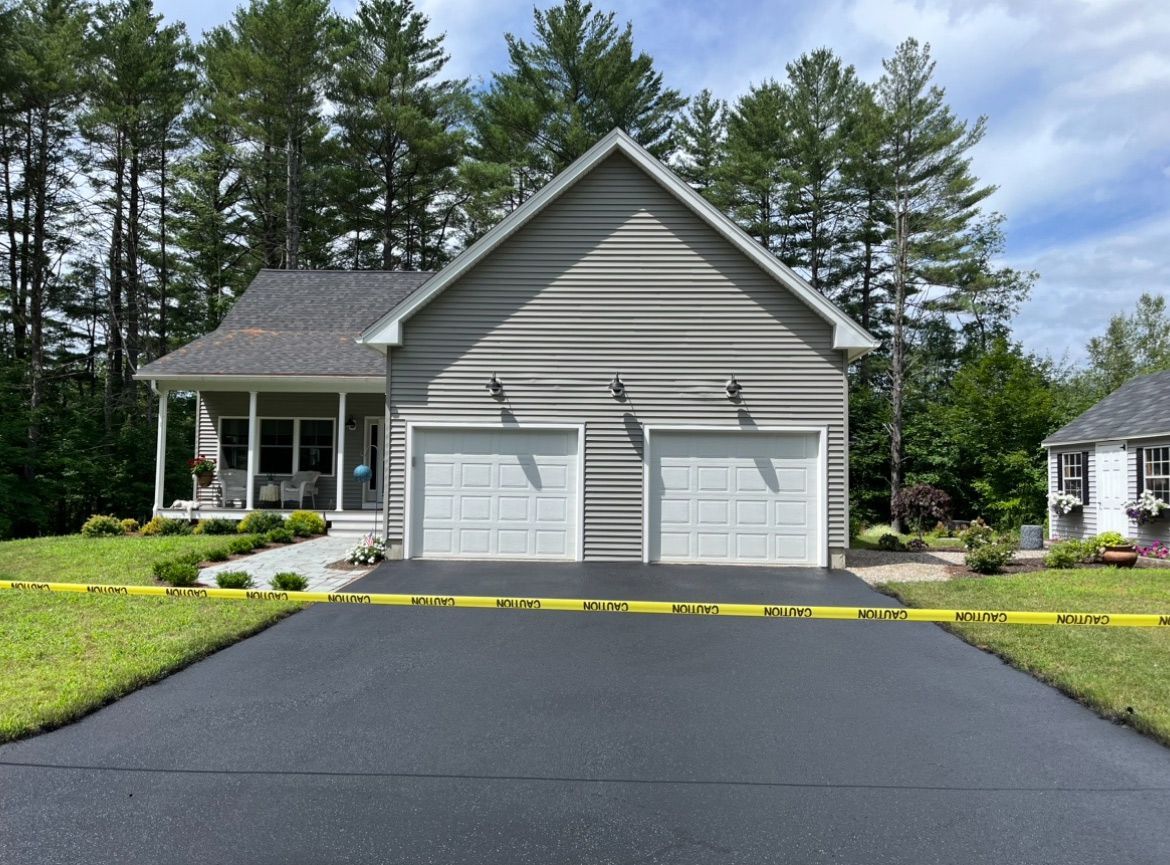
When homeowners and property managers first invest in a freshly paved driveway or parking lot, the deep black finish of new asphalt creates a clean and polished appearance. Over time, however, that rich color often begins to fade into a dull gray surface. Many property owners in New Hampshire wonder why this happens and whether fading is a sign of serious damage. According to experienced Paving Companies in Marlow NH, asphalt discoloration is a natural process, but several environmental and structural factors can speed it up. Understanding what causes asphalt to fade can help property owners protect their investment and extend the life of their pavement. Professional Paving Companies in Marlow NH often recommend routine maintenance and timely repairs to keep asphalt surfaces looking and performing their best throughout the changing New England seasons. Oxidation Is the Leading Cause of Asphalt Fading One of the primary reasons asphalt loses its dark appearance is oxidation. Asphalt contains natural oils and binders that help maintain flexibility and durability. As pavement is exposed to oxygen and sunlight over time, those oils begin to break down. The surface gradually dries out, which changes the asphalt from black to gray. This process is especially common in areas that experience strong UV exposure and fluctuating temperatures. Experienced Paving Companies in Marlow NH regularly see oxidation accelerate on driveways and parking lots that have not been seal coated or maintained properly. How UV Rays Affect Asphalt Surfaces Ultraviolet rays from the sun continuously attack the surface of asphalt pavement. While asphalt is built to withstand outdoor conditions, years of direct sunlight slowly weaken the binding materials that keep the pavement flexible. As the oils evaporate, the pavement becomes brittle and faded. This is why older driveways often develop a dry, chalky appearance before cracks begin forming. Reliable Paving Companies in Marlow NH often recommend seal coating every few years to create a protective barrier against UV damage. The Role of Air and Moisture Exposure Oxidation becomes even more aggressive when air and moisture penetrate the asphalt surface. Rain, snow, and humidity can work their way into small surface pores and contribute to the breakdown of asphalt binders. In New Hampshire, freeze thaw cycles also create additional stress on pavement surfaces. Water expands when frozen, which can worsen fading and eventually lead to cracking. Professional Paving Companies in Marlow NH understand how regional climate conditions affect pavement longevity and often design maintenance plans accordingly. Traffic Wear Can Speed Up Color Loss Vehicle traffic also contributes to asphalt turning gray. Every car that drives across the pavement creates friction on the surface. Over time, this wear removes fine asphalt particles and exposes older materials underneath. High traffic areas such as entrances, turning zones, and parking spaces often fade faster than less frequently used sections. Commercial properties especially experience accelerated wear due to heavier vehicles and constant use. Heavy Vehicles and Surface Abrasion Trucks, delivery vehicles, and equipment place greater pressure on asphalt surfaces than standard passenger vehicles. Continuous stress weakens the top layer of pavement and can strip away the darker surface oils more quickly. Trusted Paving Companies in Marlow NH often recommend thicker asphalt applications for commercial lots or properties expecting heavier traffic loads. Proper installation helps reduce early surface deterioration and uneven fading. Harsh Weather Conditions in New Hampshire Weather has a major influence on asphalt appearance and durability. Snow, ice, rain, and road salt all contribute to pavement aging. In colder climates like New Hampshire, asphalt faces year round environmental stress. Winter conditions are particularly tough because moisture repeatedly freezes and thaws within the pavement structure. This cycle weakens the surface and contributes to both fading and cracking. Snow Removal and Salt Exposure Many property owners do not realize that snow plows and deicing salts can affect asphalt color and texture. Metal plow blades may scrape protective layers from the surface, while salt can slowly deteriorate asphalt binders over time. Experienced Paving Companies in Marlow NH often recommend proper snow removal techniques and seasonal maintenance inspections to reduce long term pavement damage. Why Seal coating Matters in Cold Climates Seal coating acts as a protective shield that helps preserve asphalt color and strength. It limits oxidation, blocks moisture intrusion, and protects against chemical exposure. Without seal coating, asphalt is far more vulnerable to fading and premature aging. Many professional Paving Companies in Marlow NH suggest applying seal coat every two to three years depending on traffic levels and weather exposure. Poor Installation Can Lead to Early Fading Not all asphalt surfaces age at the same rate. In many cases, premature fading is linked to poor installation practices. If asphalt is not mixed correctly, compacted properly, or installed at the right thickness, the surface may begin deteriorating sooner than expected. Low quality materials and rushed workmanship often result in pavement that cannot withstand environmental stress effectively. Reputable Paving Companies in Marlow NH focus on proper grading, drainage, and compaction to ensure long lasting performance. Drainage Problems and Water Damage Water is one of asphalt’s biggest enemies. Poor drainage allows moisture to collect on the pavement surface or seep beneath it. Standing water speeds up oxidation and weakens the structural integrity of asphalt. A properly designed paving system directs water away from the surface and reduces long term deterioration. Skilled Paving Companies in Marlow NH evaluate drainage carefully before beginning any paving project. Preventing Asphalt From Turning Gray Too Quickly Although fading is a natural part of asphalt aging, regular maintenance can significantly slow the process. Property owners who invest in preventative care often extend pavement life by many years. Some of the most effective maintenance practices include: Routine sealcoating Crack filling and minor repairs Proper drainage management Regular cleaning to remove debris and chemicals Timely resurfacing when needed Working with experienced Paving Companies in Marlow NH helps property owners identify early warning signs before costly repairs become necessary. When to Schedule Asphalt Maintenance Many paving professionals recommend annual pavement inspections, especially after winter. Early maintenance can prevent small problems from becoming major structural issues. If asphalt appears faded, brittle, or uneven, it may be time for sealcoating or resurfacing. Professional assessments allow property owners to determine the most cost effective solution for preserving pavement quality. Choosing Experienced Asphalt Professionals Not every paving contractor delivers the same level of workmanship and long term value. Experienced contractors understand how climate, traffic patterns, and material quality affect asphalt performance over time. Reliable Paving Companies in Marlow NH use proper installation techniques and maintenance strategies designed specifically for local weather conditions. Whether the project involves a residential driveway, commercial parking lot, or private roadway, quality workmanship plays a major role in preventing premature fading and surface deterioration. Property owners looking to protect their asphalt investment can benefit from working with professionals who understand the unique paving challenges found throughout New Hampshire. Asphalt Worx provides dependable paving solutions, maintenance services, and long lasting workmanship for residential and commercial properties. If you are searching for trusted Paving Companies in Marlow NH, their experienced team can help restore, protect, and maintain asphalt surfaces that continue to perform well year after year.
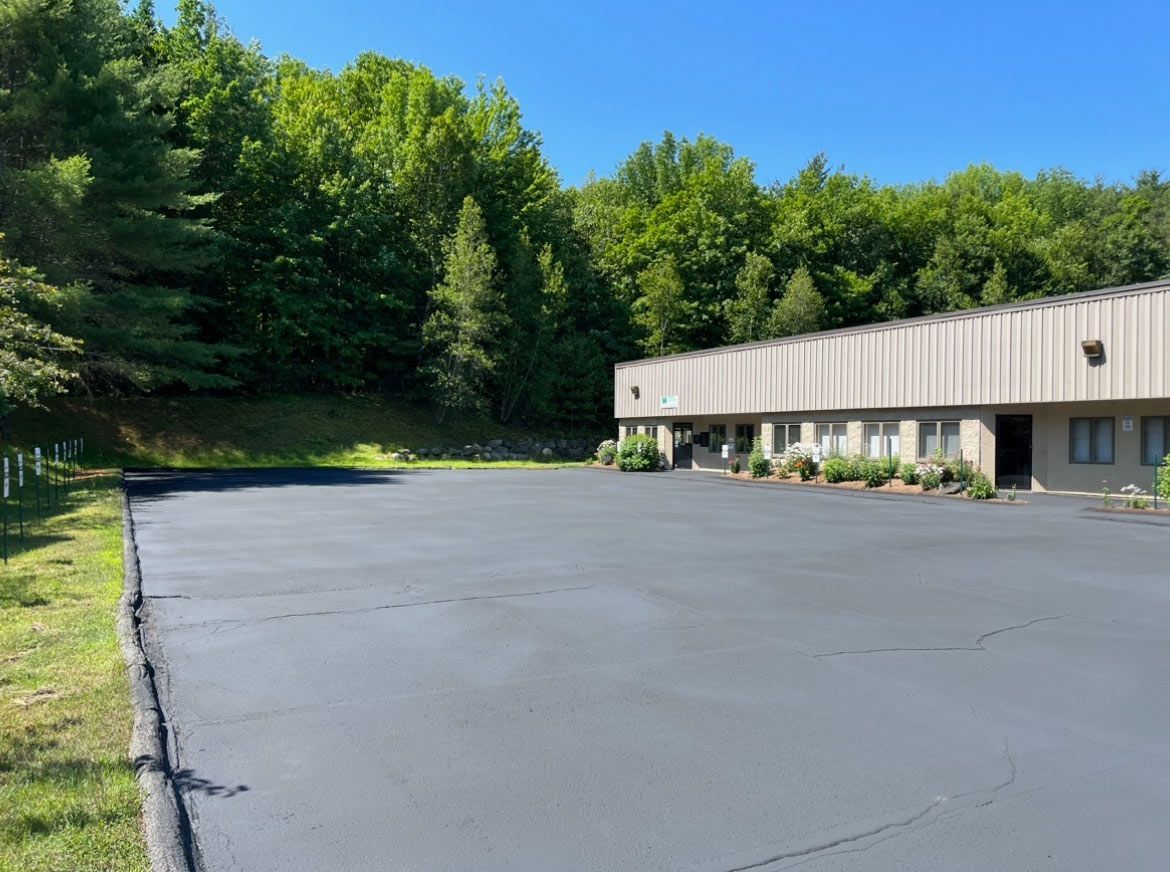
Homeowners planning a new driveway or replacing an aging surface often compare asphalt and concrete before making a final decision. Cost remains one of the biggest factors, especially in areas like New Hampshire where weather conditions can impact long term maintenance and durability. In 2026, asphalt continues to be a more affordable option upfront for many residential properties, but the complete answer depends on installation costs, maintenance needs, climate conditions, and long term value. Experienced Paving Companies in West Chesterfield NH frequently help homeowners evaluate both materials based on property size, budget, and expected usage. While concrete has its advantages, asphalt remains one of the most popular choices for residential paving in NH because of its affordability, flexibility, and performance in colder climates. Understanding how asphalt compares to concrete in terms of pricing and maintenance can help homeowners make a more informed investment decision. Comparing Asphalt and Concrete Installation Costs When looking strictly at initial installation expenses, asphalt is usually less expensive than concrete. Material costs, labor requirements, and installation time all contribute to the price difference. Concrete requires more extensive preparation, longer curing times, and higher material costs. Asphalt, on the other hand, can often be installed faster and with fewer labor intensive steps. Many Paving Companies in West Chesterfield NH recommend asphalt for homeowners seeking a practical and cost effective paving solution. Why Asphalt Installation Costs Less Several factors contribute to asphalt being more affordable upfront: Faster installation process Lower material costs Reduced labor time Easier site preparation Simpler repair procedures Because asphalt can typically be installed and used more quickly, homeowners often save on both labor expenses and project downtime. For residential paving in NH, asphalt also adapts well to uneven terrain and seasonal temperature fluctuations, which can reduce installation complications. Concrete Requires More Time and Labor Concrete installations generally involve longer curing periods and more detailed finishing work. Depending on weather conditions, homeowners may need to wait several days before using the surface fully. Additionally, concrete often requires reinforcement materials such as rebar or wire mesh, increasing overall project costs. Reliable Paving Companies in West Chesterfield NH explain that while concrete may offer a different visual appearance, it usually comes with a higher initial investment. Climate Conditions Matter in New Hampshire The New Hampshire climate plays a major role in determining which paving material performs better over time. Freeze thaw cycles, snow accumulation, road salt, and moisture exposure can all affect pavement durability. Residential paving in NH requires materials that can handle seasonal expansion and contraction without excessive cracking or structural failure. Asphalt Handles Freeze Thaw Cycles Better Asphalt is naturally more flexible than concrete. This flexibility allows it to expand and contract with changing temperatures, reducing the likelihood of severe cracking during winter months. Concrete is more rigid, which makes it vulnerable to cracking when the ground shifts due to freezing and thawing. Once concrete cracks develop, repairs can become expensive and highly visible. Many experienced Paving Companies in West Chesterfield NH recommend asphalt for driveways because it performs more reliably in colder northern climates. Snow Removal and Winter Maintenance Winter maintenance also impacts long term paving costs. Asphalt surfaces typically make snow and ice melt faster because the darker material absorbs heat more effectively than concrete. Concrete surfaces may require additional care during snow removal to prevent surface damage or chipping caused by deicing products. Professional Paving Companies in West Chesterfield NH often explain that asphalt can be easier and more affordable to maintain during harsh winter conditions. Maintenance Costs Over Time Although asphalt is less expensive initially, maintenance requirements should also be considered. Asphalt generally needs periodic seal coating and minor repairs to maintain appearance and durability. Concrete usually requires less routine maintenance, but when repairs become necessary, they are often more expensive and difficult to blend visually. Asphalt Repairs Are More Affordable One major advantage of asphalt is that repairs are usually straightforward and cost effective. Cracks, potholes, and worn areas can often be patched or resurfaced without replacing the entire driveway. Seal coating also helps protect asphalt from oxidation, moisture damage, and UV exposure. Many homeowners involved in residential paving in NH choose asphalt because routine maintenance costs remain manageable over time. Concrete Repair Challenges Concrete repairs can be more complicated because patched areas rarely match the original surface color perfectly. Large cracks or damaged slabs may require full section replacement, which increases labor and material costs. Additionally, concrete surfaces can become uneven due to frost heaving or soil movement beneath the slab. Trusted Paving Companies in West Chesterfield NH often help homeowners weigh these long term repair considerations before selecting a paving material. Lifespan Expectations for Both Materials Concrete driveways can sometimes last longer than asphalt when installed and maintained properly. However, asphalt driveways can still provide decades of reliable performance with regular maintenance and timely repairs. In many cases, homeowners find that asphalt’s lower installation cost and easier repair process outweigh the potential lifespan difference. Appearance and Property Value Considerations Some homeowners choose concrete because of its decorative options and lighter appearance. Stamped or colored concrete can create a customized look, though these upgrades significantly increase costs. Asphalt offers a clean, smooth, and professional appearance that complements many residential properties. Fresh asphalt also creates strong curb appeal with its rich black finish. Which Material Adds More Value? Property value depends more on the quality and condition of the driveway than the material itself. A professionally installed asphalt driveway that is properly maintained can greatly improve curb appeal and functionality. Experienced Paving Companies in West Chesterfield NH often recommend focusing on installation quality and drainage design rather than simply choosing the more expensive material. Long Term Performance vs. Initial Cost For many homeowners, asphalt provides the best balance between affordability, durability, and long term maintenance. Residential paving in NH requires surfaces that can withstand seasonal weather without creating excessive repair costs. Concrete may appeal to homeowners seeking a decorative finish, but asphalt often delivers better overall value for practical residential use. Choosing the Right Paving Contractor Whether selecting asphalt or concrete, the contractor’s experience and workmanship play a major role in long term pavement performance. Proper grading, base preparation, drainage planning, and installation techniques all affect durability and lifespan. Reliable Paving Companies in West Chesterfield NH understand the unique environmental conditions that impact residential paving in NH. They evaluate each property carefully and recommend solutions based on budget, traffic levels, and climate exposure. Asphalt Worx provides professional paving solutions designed specifically for New Hampshire homeowners. Their team focuses on high quality asphalt installation, proper drainage planning, and long lasting residential paving services that hold up through demanding seasonal conditions. Homeowners searching for trusted Paving Companies in West Chesterfield NH can rely on Asphalt Worx for dependable workmanship, cost effective paving solutions, and durable asphalt surfaces built to perform well for years to come.
There’s a question that comes up more often than you’d think in this line of work: “Does it really matter what time of year I pave?” The short answer is yes — quite a bit, actually. Asphalt is a temperature-sensitive material. How it’s laid, how it cures, and how it holds up over time are all directly tied to the conditions present during installation. Whether you’re looking into a new driveway, a parking lot resurfacing, or a commercial paving project, understanding the seasonal differences can save you money and headaches down the road. This is something the experienced paving companies in Marlborough NH area know well. Seasonal conditions in New England aren’t just a backdrop — they’re an active variable in every paving decision made on a job site. Why Summer is Considered Prime Paving Season Ask any crew that’s been in the paving industry for a while, and they’ll tell you summer is when the work flows best. Hot mix asphalt needs to be placed and compacted at a high temperature — typically above 275°F — and it needs to stay workable long enough for the crew to roll it properly. Warm ambient temperatures during summer months give the mix the time it needs to be compacted into a smooth, dense surface. Ground temperature plays just as important a role as air temperature. In summer, the base layer beneath the asphalt is warm, which helps prevent the mix from cooling too quickly when it contacts the surface. This is critical for achieving the proper compaction density — the foundation of a long-lasting pavement. Ideal Conditions for Asphalt Paving For residential paving , driveway installations, and parking lot paving , summer checks nearly every box. Longer daylight hours give crews more working time per day. Low humidity and dry ground conditions reduce the risk of moisture-related issues beneath the sub-base. And because the mix stays pliable longer in the heat, the finished surface tends to be tighter and smoother with fewer roller passes required. That said, extreme summer heat has its own set of challenges. On days when temperatures push past 95°F, asphalt can become too soft too quickly if improperly mixed or handled. Experienced paving companies in Marlborough NH know to account for these variables, adjusting mix temperatures and paving sequences when the heat is at its peak. The Real Challenges of Winter Paving Winter paving gets a bad reputation, and not without reason. Cold air temperatures cause hot mix asphalt to cool rapidly — sometimes before the compaction equipment can do its job. When asphalt cools below about 175°F, the material stiffens significantly, making it nearly impossible to achieve the required density. Paving over frozen ground is generally not recommended at all, as the frost heave cycle will undermine the new surface almost immediately. In the Marlborough, NH region and across the broader New Hampshire and Vermont areas, winter temperatures can be brutal. Freeze-thaw cycles are relentless from late November through early April. This is why most reputable paving companies in Marlborough NH pause large-scale residential and commercial paving operations during the coldest months of the year. When Winter Paving Is Unavoidable There are situations where paving during cold-weather months is necessary — emergency repairs on commercial properties, utility cut patches, or public roadways that can’t be left unfinished. In these cases, seasoned crews adapt by using warm-mix asphalt formulations that remain workable at lower temperatures, heating the base material if possible, and working quickly to minimize heat loss during transport and placement. Sealcoating, however, is almost universally off the table in winter. The water-based emulsions used in professional sealcoating need temperatures above 50°F to cure properly, both during application and for several hours after. Attempting a sealcoat job in near-freezing conditions leads to peeling, cracking, and premature failure — which ends up costing more than waiting for spring. How Freeze-Thaw Cycles Affect Existing Pavement Even if you’re not paving in winter, the season has a direct impact on your existing asphalt. Water enters small cracks in the pavement surface, freezes, expands, and creates larger voids. Come spring, those voids have grown into potholes, heaved slabs, or edge crumbling. This is why proactive property owners schedule repairs and sealcoating in late summer or early fall — giving the surface a protective layer before the freeze season begins. Spring and Fall Paving: The Shoulder Seasons Many property owners overlook fall as an excellent window for paving. September and October in New Hampshire typically bring mild temperatures, lower humidity, and stable ground conditions — nearly ideal for both residential paving and commercial paving projects. Getting a driveway or parking lot paved in fall means it has months to cure and harden before the first winter frost arrives. Spring paving is viable once nighttime temperatures stay consistently above 40°F and the ground has fully thawed. However, spring also brings the biggest post-winter damage assessments. It’s common for property owners and local paving companies in Marlborough NH to use early spring as a repair and patching season before moving into full installations as conditions warm. Timing Your Project for Maximum Longevity The goal of any quality paving job isn’t just to look good on day one. It’s to hold up through years of traffic, weight, UV exposure, and freeze-thaw stress. Timing your project around optimal seasonal conditions is one of the most practical steps you can take to maximize the return on your paving investment. Plan for late spring through early fall whenever possible. Allow time for the project to fully cure — typically 90 days before the first hard frost — especially for blacktop driveway installations and commercial parking lots that see heavy traffic. Questions to Ask Before Scheduling Your Paving Project Before committing to a timeline, there are a few practical questions worth running through with your contractor: • What is the current ground temperature at the project site? • Is the base layer stable, or will drainage improvements be needed first? • What is the extended forecast for the days immediately following installation? • Is sealcoating part of the scope, and if so, what is the minimum temperature requirement for the product being used? • How long before the new surface can accept regular traffic? Contractors who give clear, direct answers to these questions are the ones worth trusting. The best paving companies in Marlborough NH area will walk you through the seasonal considerations upfront because they understand that a job done in the right conditions is a job that won’t be coming back as a warranty issue in six months. If you’re planning a paving project in the Marlborough, NH area and want straightforward advice on timing, material selection, and what to expect at each stage, Asphalt Worx LLC brings six generations of hands-on experience to every residential and commercial paving project. From new driveway installations and parking lot resurfacing to professional sealcoating and blacktop repairs, the team at Asphalt Worx serves New Hampshire, Vermont, and The Berkshires with the kind of field knowledge that only comes from decades on the job. Reach out to schedule a free consultation and get your project on the calendar during the right season — because good pavement starts well before the first truckload of mix arrives on site. Visit www.goasphaltworx.com or call (603) 439-8302 to connect with one of the most trusted paving companies in Marlborough NH and surrounding communities.
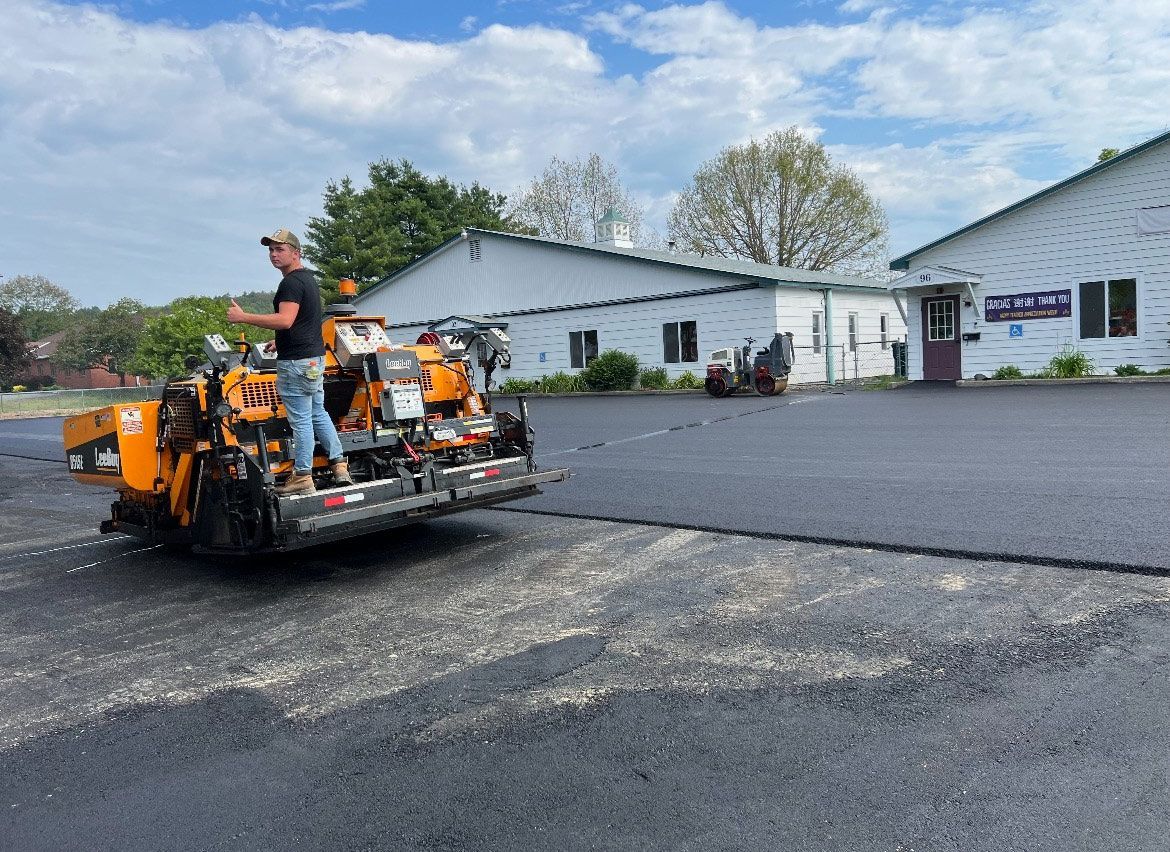
If you've stepped outside recently and noticed that your driveway or parking lot has started showing lines, gaps, or chunks of broken pavement, you're not imagining things getting worse with time — they are. Asphalt cracking is one of the most common issues property owners across New Hampshire deal with, and it's not always obvious what's actually causing it. Before you assume it just needs to be repaved or that nothing can be done, it's worth understanding what's happening beneath the surface and what your real options are. Working in this region for years, the crews at Asphalt Worx have seen every type of crack imaginable — from hairline fractures that started small and spread quietly over a winter season, to full-blown alligator cracking that turns a once-smooth driveway into something that looks like a dried-up riverbed. The causes vary, but the solutions are almost always straightforward once you know what you're dealing with. Why Asphalt Cracks in the First Place New Hampshire's climate is one of the harshest environments asphalt can be exposed to. The freeze-thaw cycle alone is responsible for a huge portion of the cracking that homeowners and business owners notice in early spring. When water infiltrates tiny voids in the pavement during fall and then freezes as temperatures drop, it expands — and that expansion puts enormous pressure on the surrounding material. Over multiple cycles in a single winter, that pressure causes the surface to shift, heave, and eventually crack. But the weather isn't the only culprit. The condition of the base layer beneath the asphalt plays just as significant a role. If the sub-base wasn't properly compacted during installation, or if the gravel base has deteriorated over time due to water infiltration, the pavement above it will eventually begin to fail. No matter how thick or well-mixed the asphalt is on top, it can't stay intact when there's nothing stable underneath to support it. The Role of Poor Drainage in Pavement Damage One issue that often gets overlooked is drainage. When water has nowhere to go after a rainfall or snowmelt, it pools on or around the pavement. That standing water slowly works its way into any available crack or joint, weakening the sub-base from below. Pavement that looks solid on the surface can be sitting on a compromised base that's been saturated for seasons on end. By the time visible cracking appears, the structural damage is already well underway. Proper slope and drainage design at installation time is something the experienced team at Asphalt Worx addresses on every single job — it's not an afterthought. Getting the grade right from the start can add years to the life of a driveway or parking lot. Traffic Load and UV Oxidation Over Time Heavy vehicles — delivery trucks, moving vans, equipment trailers — can accelerate the deterioration of residential asphalt that wasn't designed to handle that kind of repeated load. Over time, the pavement becomes fatigued and develops what paving professionals call fatigue cracking or alligator cracking, which shows up as interconnected, web-like patterns across the surface. UV exposure is another factor that doesn't get enough attention. The sun's rays break down the binder in asphalt over time, causing oxidation. Oxidized asphalt turns gray, becomes brittle, and loses its ability to flex with temperature changes. This brittleness means that even minor stresses — a tree root, a frost heave, a heavy rain — can initiate cracking that wouldn't happen in well-maintained, properly sealed pavement. Types of Asphalt Cracks and What They Tell You Not every crack is the same, and understanding the type of cracking you're seeing gives you a better sense of how serious the problem is and what kind of fix it requires. Linear and Transverse Cracking These long, straight cracks run either with the direction of the pavement or across it. They're often caused by thermal expansion and contraction, improper joint construction during the original paving job, or shrinkage in the asphalt layer over time. Caught early, these cracks can be sealed before water gets in and causes deeper damage. Alligator or Fatigue Cracking The interconnected, scaly pattern of alligator cracking signals that the pavement has reached structural failure in that area. This typically means the base layer is compromised. Simple crack filling won't fix it — the affected section usually needs to be removed, the base repaired, and fresh asphalt installed. Ignoring this type of cracking leads to potholes fairly quickly. Edge Cracking Cracks that appear along the outer edges of a driveway or lot often indicate that the edges aren't properly supported. Lack of a stable edge restraint, vegetation growing into the shoulder, or water eroding the perimeter base are the usual causes. Edge cracking can spread inward if left alone. What Can Actually Be Done About It The good news is that most cracking — especially when caught before it progresses into full structural failure — is very manageable. The fix depends entirely on the severity and the underlying cause. • Crack Sealing: For isolated linear or transverse cracks, hot-pour rubberized crack sealer is applied to stop water from infiltrating the base. This extends the useful life of the pavement significantly when done before cracks widen. • Sealcoating: A fresh sealcoat applied to surface that's still in good structural condition blocks UV oxidation, repels water, and restores the dark color that helps the surface shed heat. It's one of the most cost-effective maintenance steps a property owner can take. • Patching and Infrared Repair: For localized areas of alligator cracking or pothole damage, full-depth patching or infrared asphalt repair can restore the affected zones without replacing the entire surface. • Full Replacement or Overlay: When deterioration is widespread and the base has been compromised, resurfacing with a new asphalt overlay or complete removal and repaving is the right call. This is especially true for driveways or lots that were originally installed without proper base preparation. Timing Your Repairs Right In New Hampshire, timing matters when it comes to asphalt repairs. Paving and sealing work best in warmer months — late spring through early fall — when temperatures are consistently above 50°F and rain isn't in the forecast. Trying to seal or patch during cold, damp conditions can result in adhesion failures that make the problem worse. If you're noticing cracks in the spring, that's actually a great time to get an assessment done so you can plan the right fix before summer heat sets in and the cracks expand further. The longer you wait, the more water gets in, and the more expensive the eventual repair becomes. Why the Quality of the Original Installation Matters More Than Most People Realize A lot of the cracking issues that show up a few years after a paving job can be traced back directly to shortcuts taken during the original installation. Insufficient base depth, using the wrong asphalt mix for the application, poor compaction, or rushing through a job during questionable weather conditions — all of these create a pavement that's destined to fail ahead of schedule. That's why choosing your contractor carefully the first time around makes such a difference. A properly installed asphalt surface — with the right base, the right mix, proper drainage, and professional compaction — should hold up for 20 or more years with routine maintenance. A poorly installed one might start showing serious problems within three to five years. If your pavement is showing signs of wear and you want an honest assessment from people who actually know what they're looking at, reach out to Asphalt Worx. As one of the most trusted names among paving companies in Winchester, NH and surrounding communities, we bring decades of field experience to every project — whether it's a single-family driveway or a full commercial lot. Our team offers comprehensive residential paving services in NH that go beyond just laying asphalt — we make sure the base is right, the drainage works, and the finished surface is built to last through everything New Hampshire winters can throw at it. Get in touch with us today at goasphaltworx.com or call directly to schedule a free estimate. The right time to fix cracking asphalt is before it turns into a bigger problem — and that time is usually right now.





