Is Asphalt Cheaper Than Concrete in 2026?
There’s a question that comes up more often than you’d think in this line of work: “Does it really matter what time of year I pave?” The short answer is yes — quite a bit, actually. Asphalt is a temperature-sensitive material. How it’s laid, how it cures, and how it holds up over time are all directly tied to the conditions present during installation. Whether you’re looking into a new driveway, a parking lot resurfacing, or a commercial paving project, understanding the seasonal differences can save you money and headaches down the road.
This is something the experienced paving companies in Marlborough NH area know well. Seasonal conditions in New England aren’t just a backdrop — they’re an active variable in every paving decision made on a job site.
Why Summer is Considered Prime Paving Season
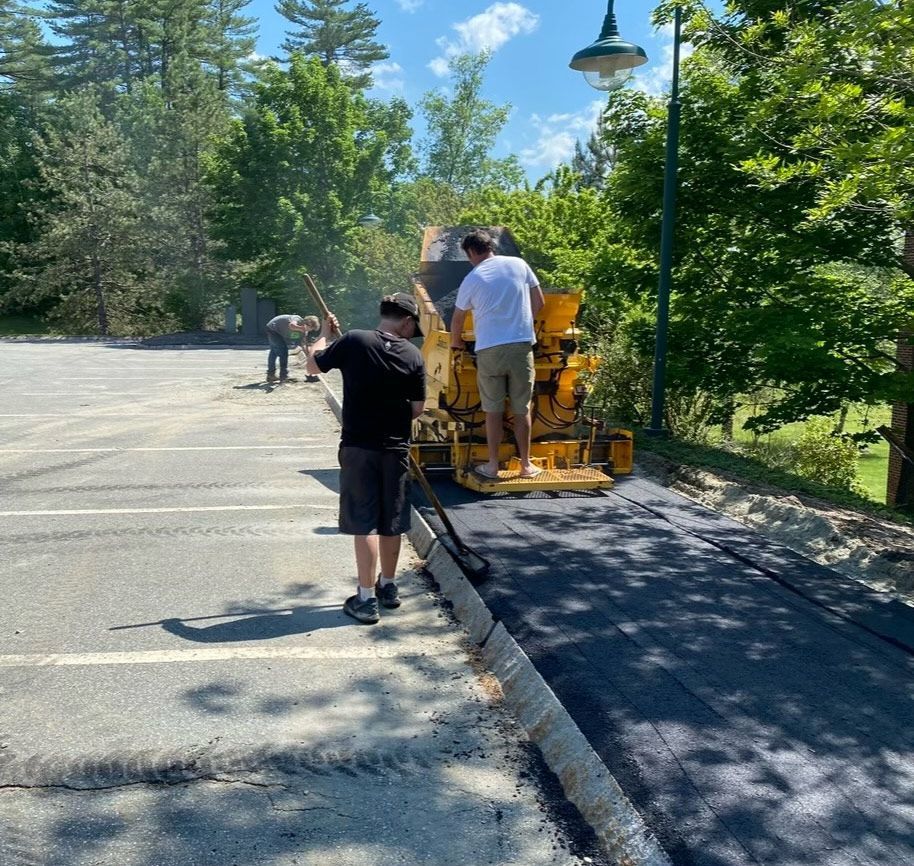
Ask any crew that’s been in the paving industry for a while, and they’ll tell you summer is when the work flows best. Hot mix asphalt needs to be placed and compacted at a high temperature — typically above 275°F — and it needs to stay workable long enough for the crew to roll it properly. Warm ambient temperatures during summer months give the mix the time it needs to be compacted into a smooth, dense surface.
Ground temperature plays just as important a role as air temperature. In summer, the base layer beneath the asphalt is warm, which helps prevent the mix from cooling too quickly when it contacts the surface. This is critical for achieving the proper compaction density — the foundation of a long-lasting pavement.
Ideal Conditions for Asphalt Paving
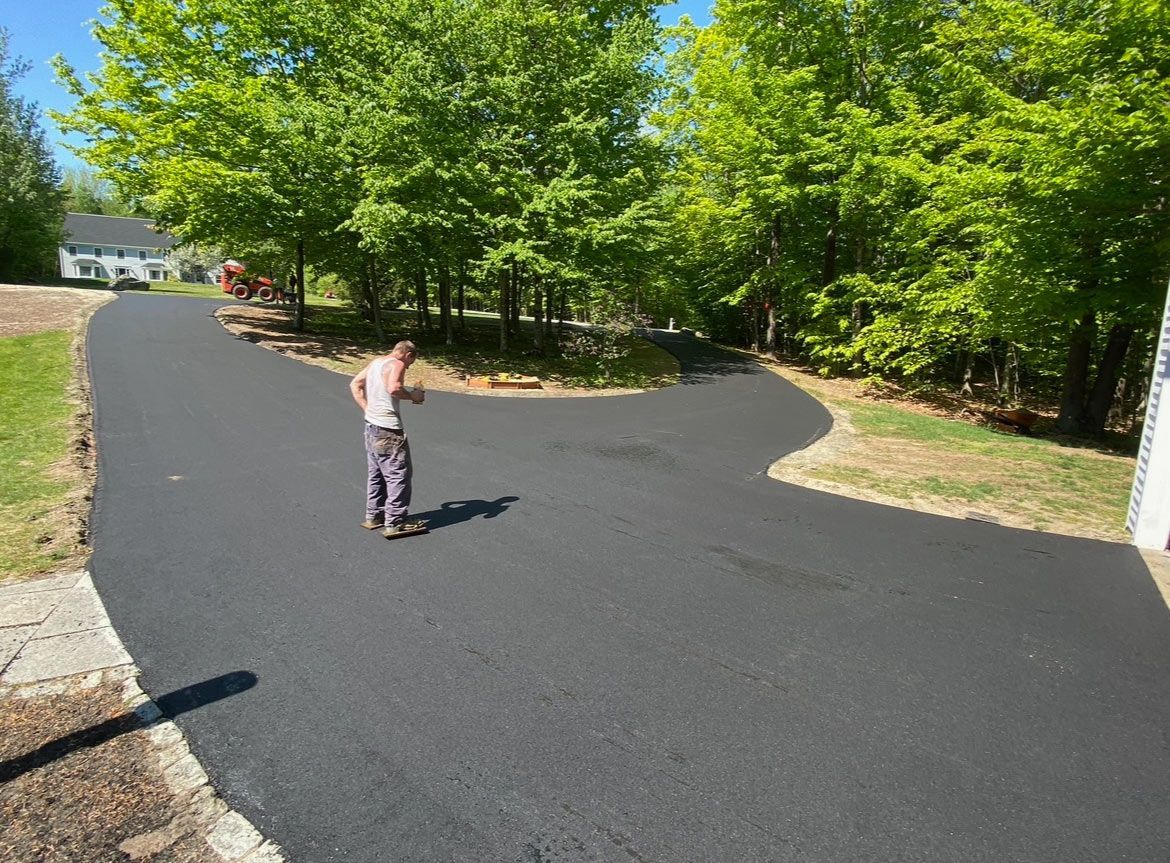
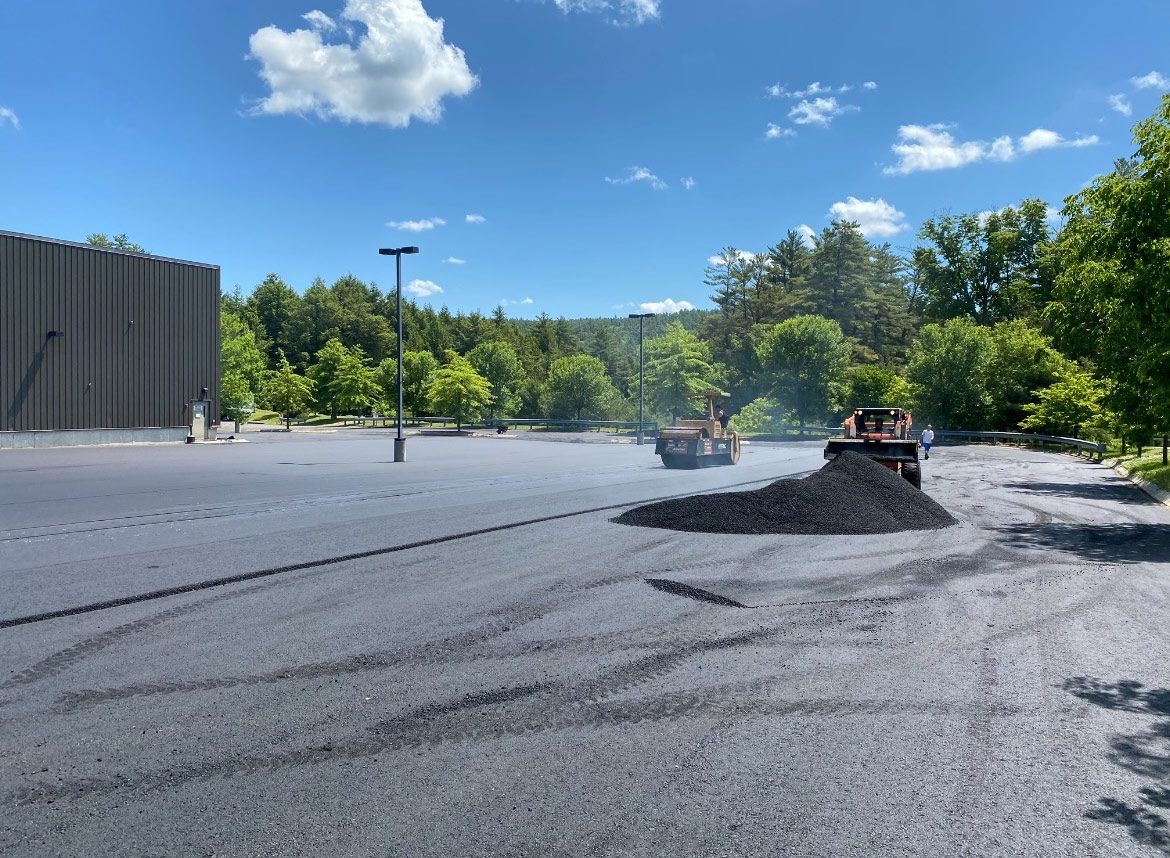
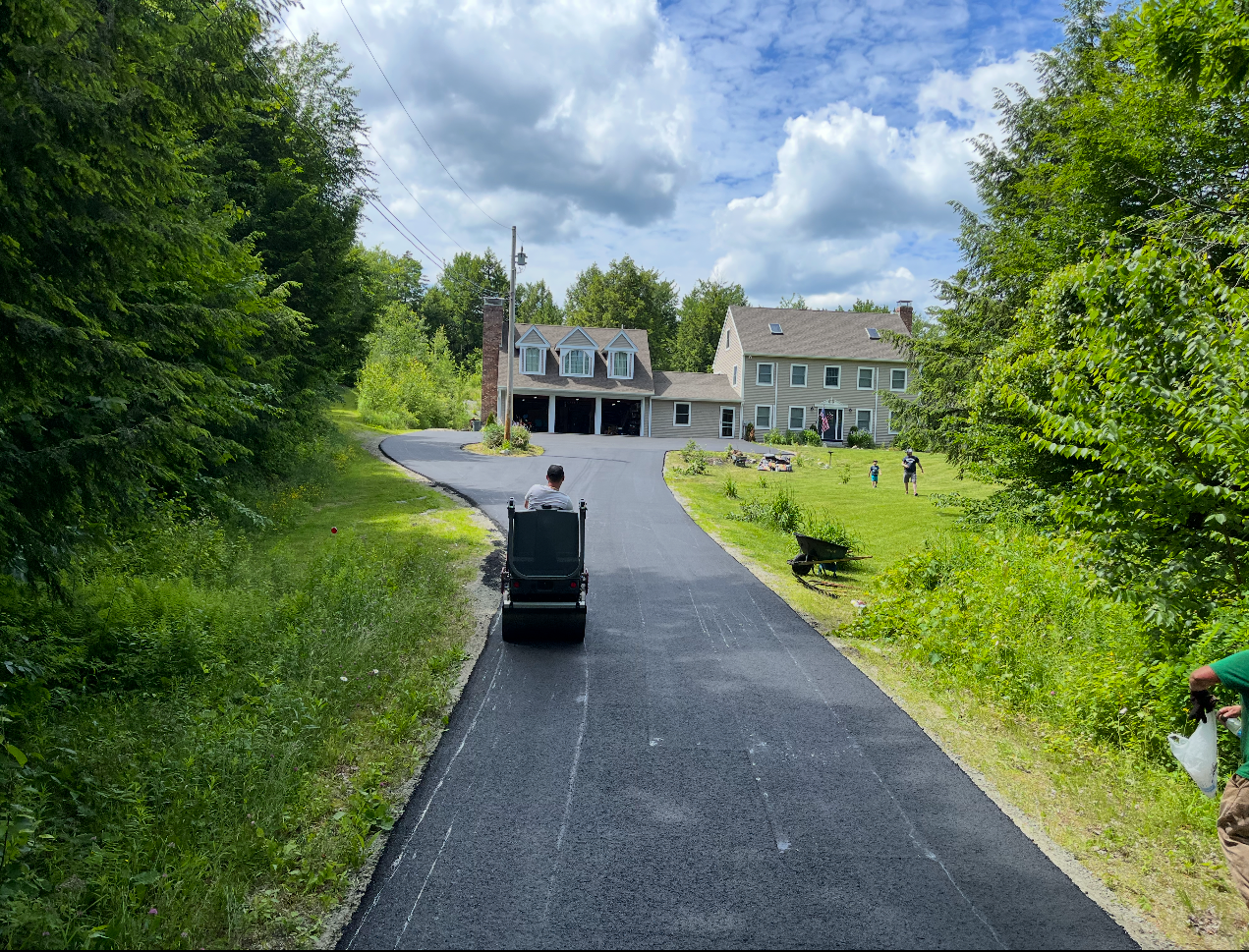
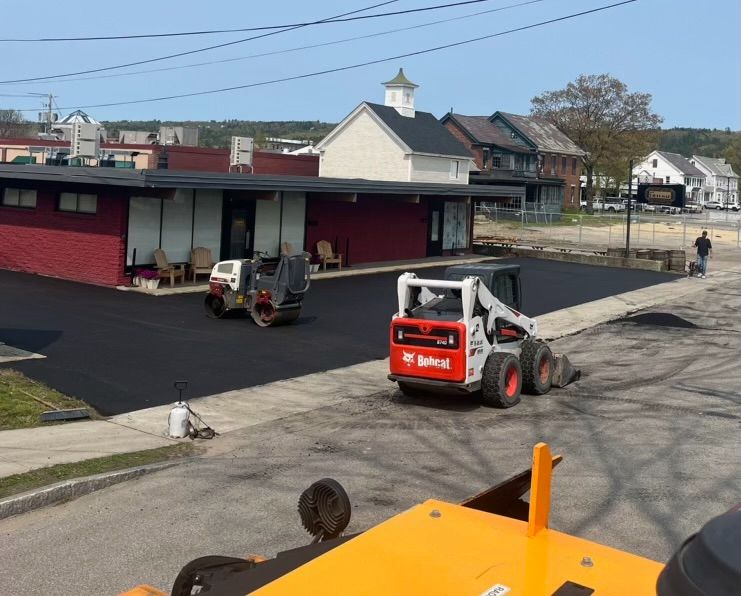
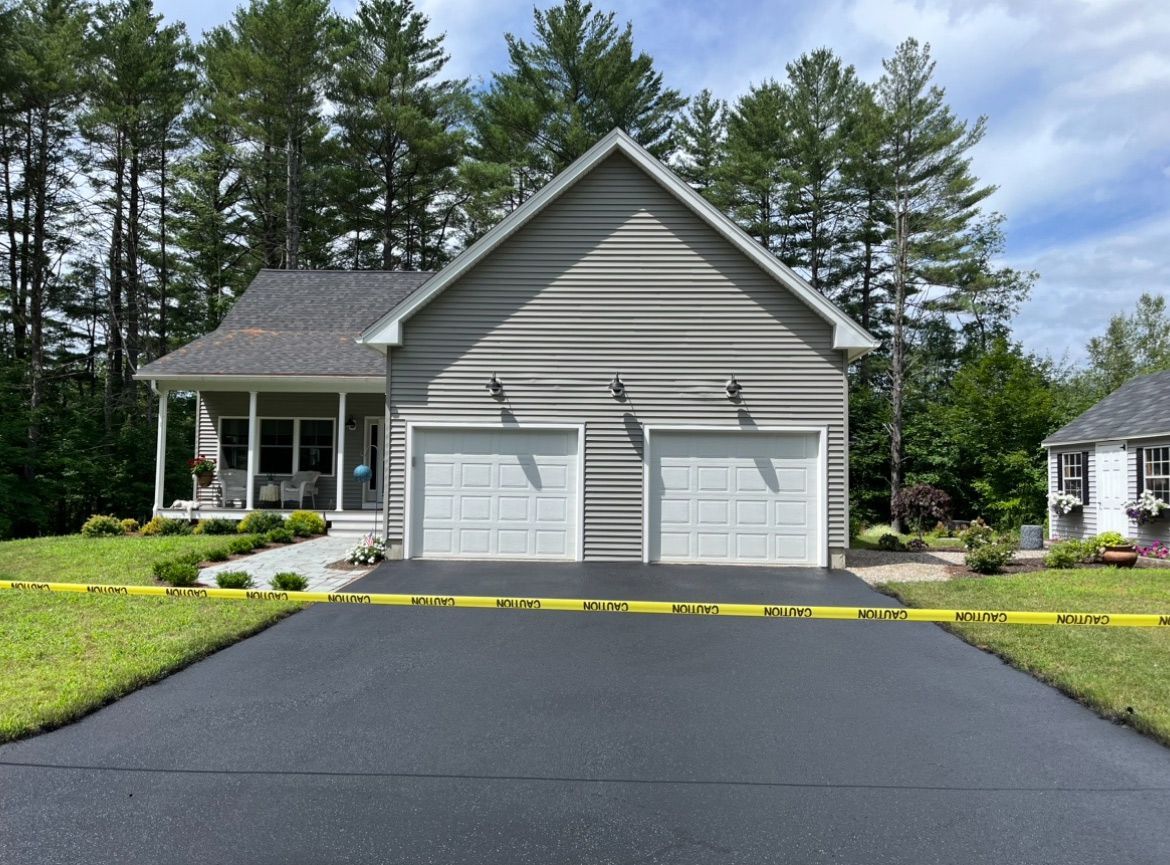
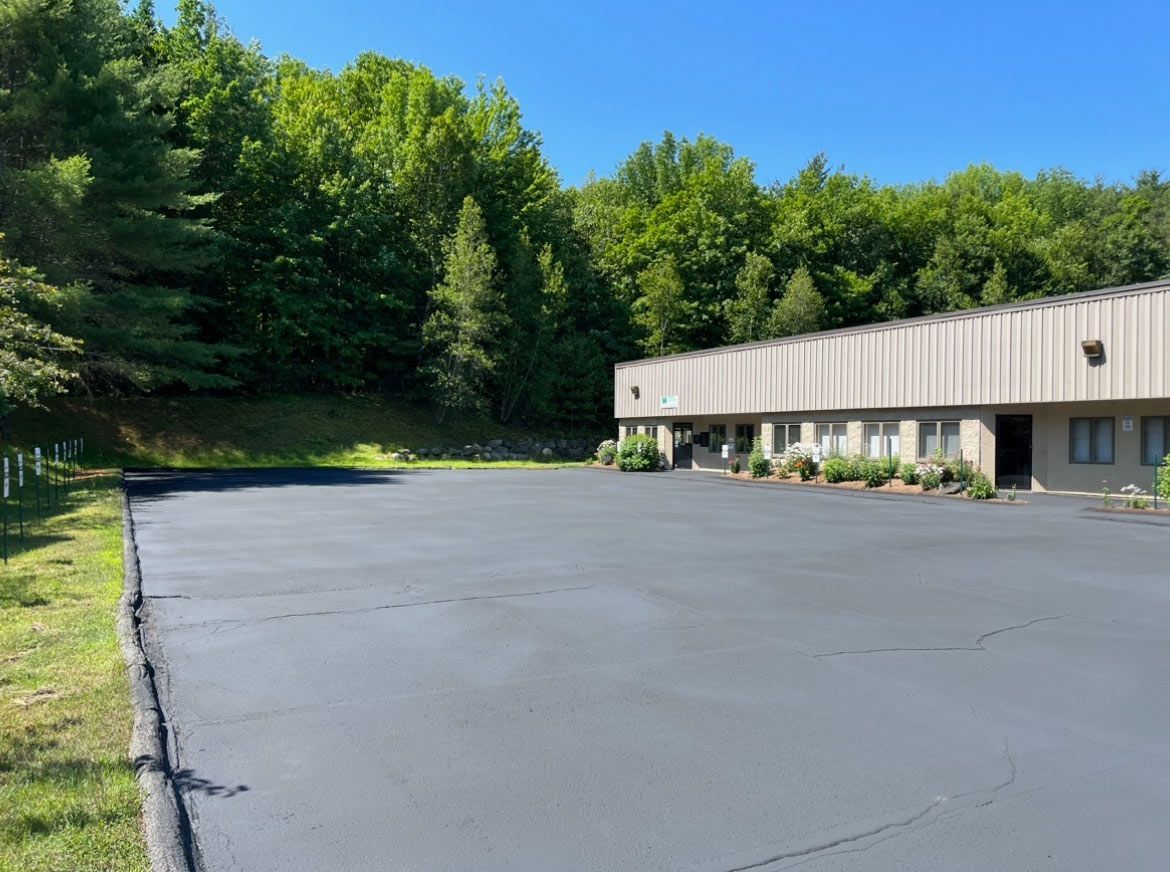
For residential paving, driveway installations, and parking lot paving, summer checks nearly every box. Longer daylight hours give crews more working time per day. Low humidity and dry ground conditions reduce the risk of moisture-related issues beneath the sub-base. And because the mix stays pliable longer in the heat, the finished surface tends to be tighter and smoother with fewer roller passes required.
That said, extreme summer heat has its own set of challenges. On days when temperatures push past 95°F, asphalt can become too soft too quickly if improperly mixed or handled. Experienced paving companies in Marlborough NH know to account for these variables, adjusting mix temperatures and paving sequences when the heat is at its peak.
The Real Challenges of Winter Paving
Winter paving gets a bad reputation, and not without reason. Cold air temperatures cause hot mix asphalt to cool rapidly — sometimes before the compaction equipment can do its job. When asphalt cools below about 175°F, the material stiffens significantly, making it nearly impossible to achieve the required density. Paving over frozen ground is generally not recommended at all, as the frost heave cycle will undermine the new surface almost immediately.
In the Marlborough, NH region and across the broader New Hampshire and Vermont areas, winter temperatures can be brutal. Freeze-thaw cycles are relentless from late November through early April. This is why most reputable paving companies in Marlborough NH pause large-scale residential and commercial paving operations during the coldest months of the year.
When Winter Paving Is Unavoidable
There are situations where paving during cold-weather months is necessary — emergency repairs on commercial properties, utility cut patches, or public roadways that can’t be left unfinished. In these cases, seasoned crews adapt by using warm-mix asphalt formulations that remain workable at lower temperatures, heating the base material if possible, and working quickly to minimize heat loss during transport and placement.
Sealcoating, however, is almost universally off the table in winter. The water-based emulsions used in professional sealcoating need temperatures above 50°F to cure properly, both during application and for several hours after. Attempting a sealcoat job in near-freezing conditions leads to peeling, cracking, and premature failure — which ends up costing more than waiting for spring.
How Freeze-Thaw Cycles Affect Existing Pavement
Even if you’re not paving in winter, the season has a direct impact on your existing asphalt. Water enters small cracks in the pavement surface, freezes, expands, and creates larger voids. Come spring, those voids have grown into potholes, heaved slabs, or edge crumbling. This is why proactive property owners schedule repairs and sealcoating in late summer or early fall — giving the surface a protective layer before the freeze season begins.
Spring and Fall Paving: The Shoulder Seasons
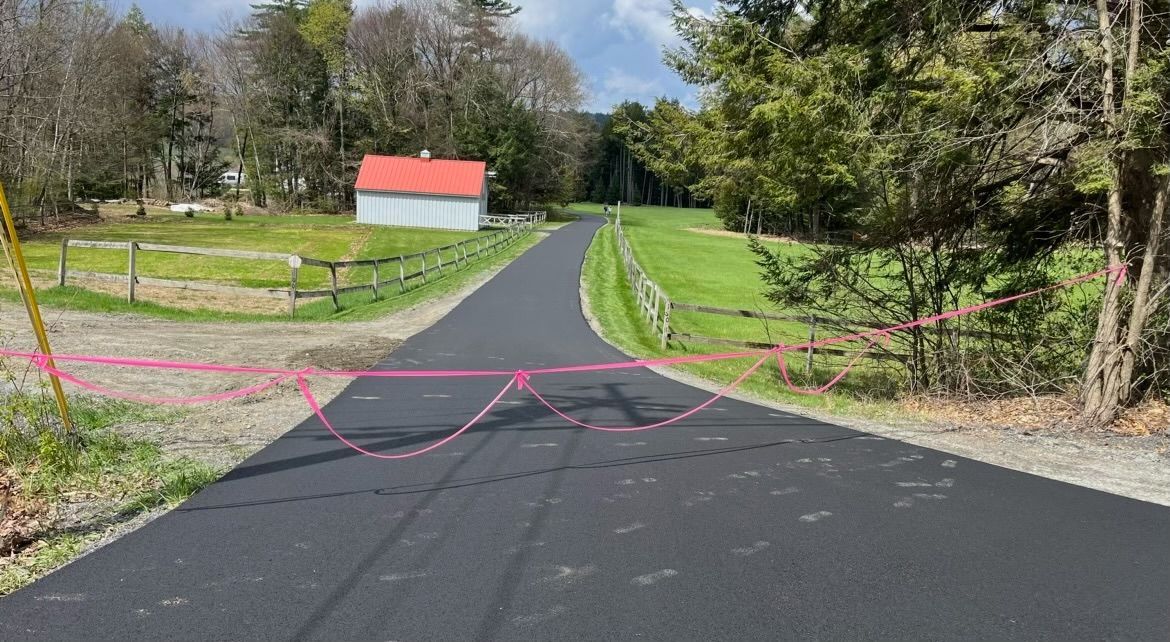
Many property owners overlook fall as an excellent window for paving. September and October in New Hampshire typically bring mild temperatures, lower humidity, and stable ground conditions — nearly ideal for both residential paving and commercial paving projects. Getting a driveway or parking lot paved in fall means it has months to cure and harden before the first winter frost arrives.
Spring paving is viable once nighttime temperatures stay consistently above 40°F and the ground has fully thawed. However, spring also brings the biggest post-winter damage assessments. It’s common for property owners and local paving companies in Marlborough NH to use early spring as a repair and patching season before moving into full installations as conditions warm.
Timing Your Project for Maximum Longevity
The goal of any quality paving job isn’t just to look good on day one. It’s to hold up through years of traffic, weight, UV exposure, and freeze-thaw stress. Timing your project around optimal seasonal conditions is one of the most practical steps you can take to maximize the return on your paving investment. Plan for late spring through early fall whenever possible. Allow time for the project to fully cure — typically 90 days before the first hard frost — especially for blacktop driveway installations and commercial parking lots that see heavy traffic.
Questions to Ask Before Scheduling Your Paving Project
Before committing to a timeline, there are a few practical questions worth running through with your contractor:
• What is the current ground temperature at the project site?
• Is the base layer stable, or will drainage improvements be needed first?
• What is the extended forecast for the days immediately following installation?
• Is sealcoating part of the scope, and if so, what is the minimum temperature requirement for the product being used?
• How long before the new surface can accept regular traffic?
Contractors who give clear, direct answers to these questions are the ones worth trusting. The best paving companies in Marlborough NH area will walk you through the seasonal considerations upfront because they understand that a job done in the right conditions is a job that won’t be coming back as a warranty issue in six months.
If you’re planning a paving project in the Marlborough, NH area and want straightforward advice on timing, material selection, and what to expect at each stage,
Asphalt Worx LLC
brings six generations of hands-on experience to every residential and commercial paving project. From new driveway installations and parking lot resurfacing to professional sealcoating and blacktop repairs, the team at Asphalt Worx serves New Hampshire, Vermont, and The Berkshires with the kind of field knowledge that only comes from decades on the job. Reach out to schedule a free consultation and get your project on the calendar during the right season — because good pavement starts well before the first truckload of mix arrives on site. Visit
www.goasphaltworx.com or call
(603) 439-8302 to connect with one of the most trusted paving companies in Marlborough NH and surrounding communities.