Key Qualities to Look for Before Hiring a Pavement Specialist
There's something most business owners don't think about until it's too late the parking lot. Before a customer ever walks through the front door, before they read a sign, before they speak with a single employee, they've already formed an opinion. They've pulled in, parked, and taken three steps across your pavement. And in those three steps, they've made a judgment call.
A cracked, faded, pothole riddled lot says one thing loud and clear: this place doesn't pay attention to details. A clean, smooth, freshly paved surface says something else entirely. It signals care, professionalism, and pride of ownership.
If you're running a business in New Hampshire and your parking area is showing its age, this isn't just an aesthetic concern it's a customer retention problem you might not even realize you have.
The Psychology Behind Pavement and Perception
People are visual by nature. Within seconds of arriving somewhere new, the brain is processing environmental cues and drawing conclusions. Researchers in consumer behavior have consistently found that the physical condition of a business's exterior including its parking areas directly influences how much trust and confidence a customer places in that business before they've even made contact.
Think about the last time you pulled into a parking lot filled with standing water, jagged cracks running across the surface, and chunks of asphalt missing near the curb. Did you feel good about the business you were visiting? Or did a quiet doubt creep in?
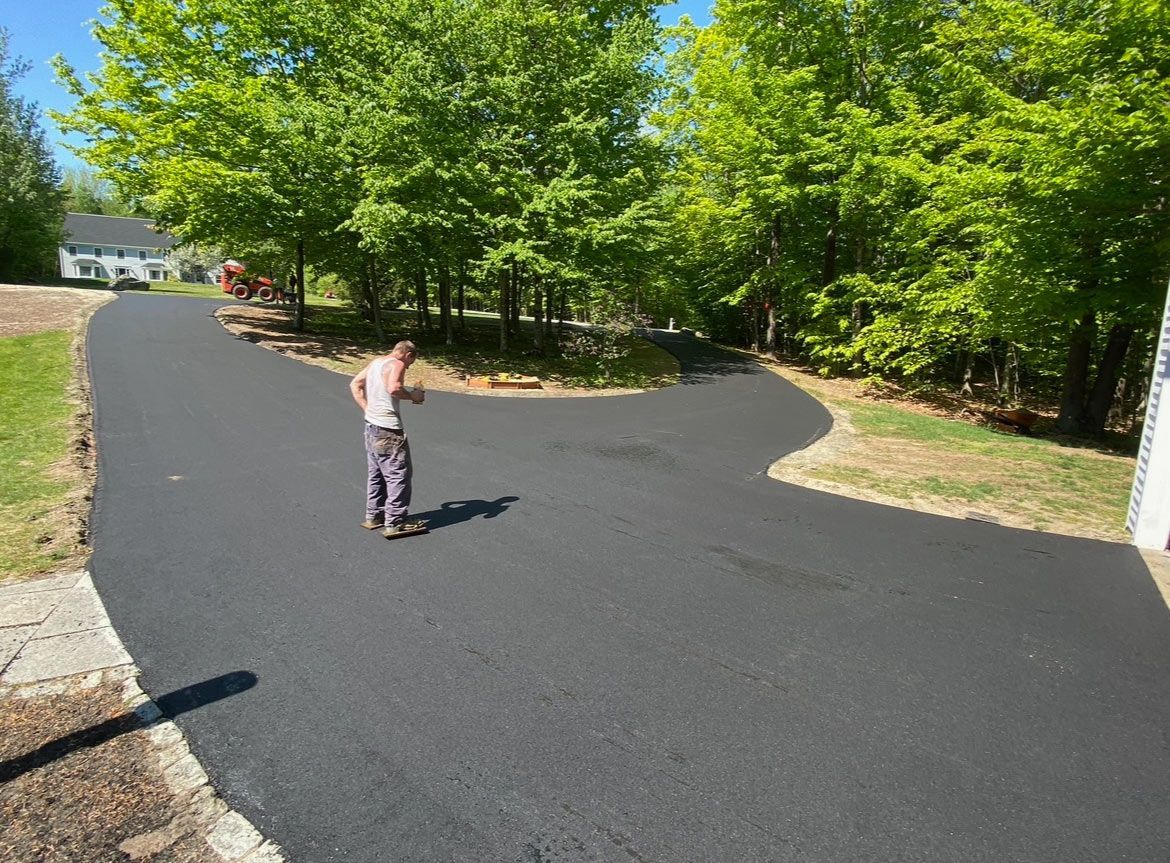
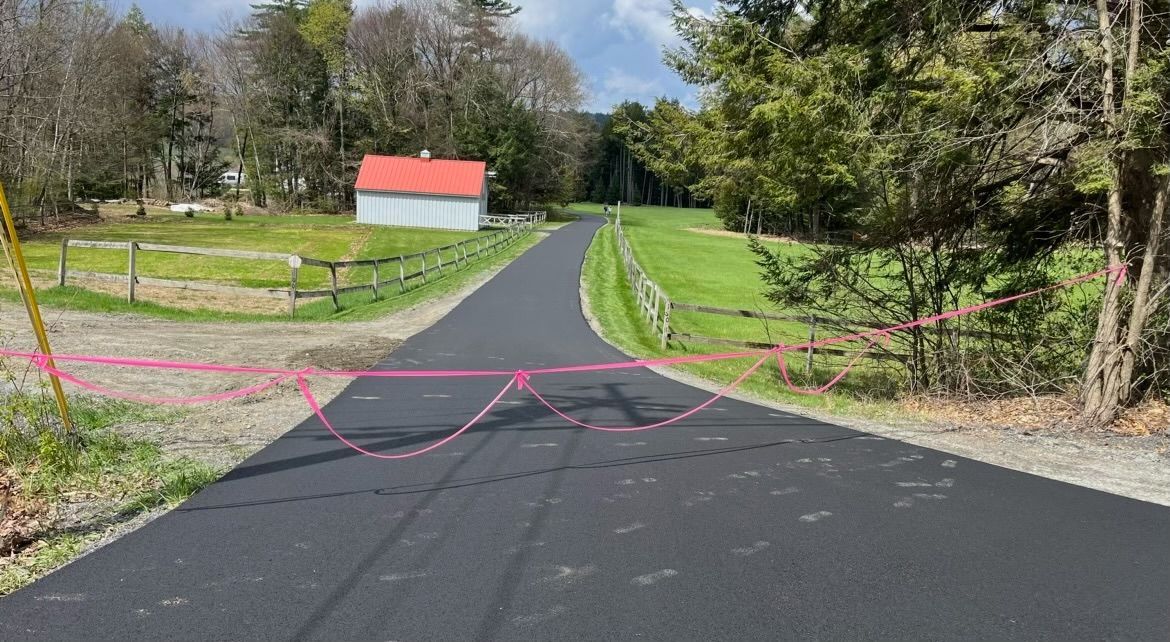
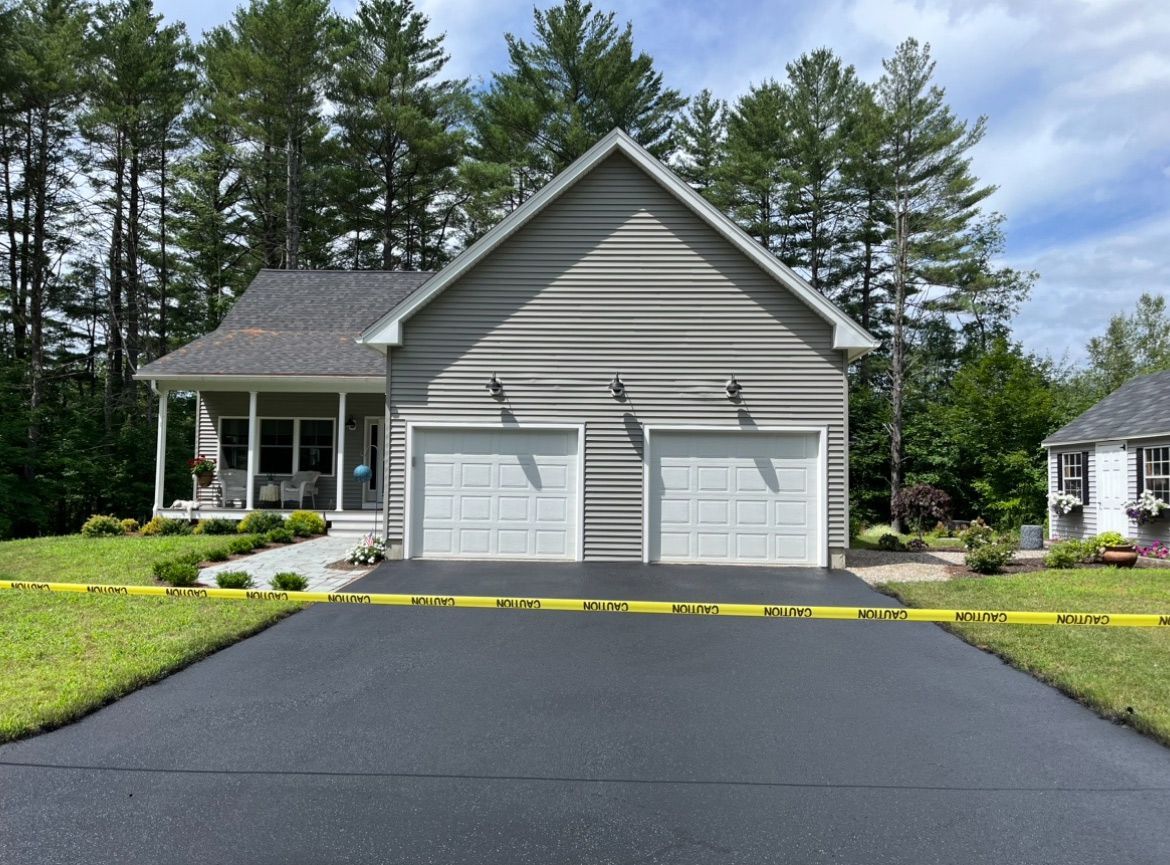
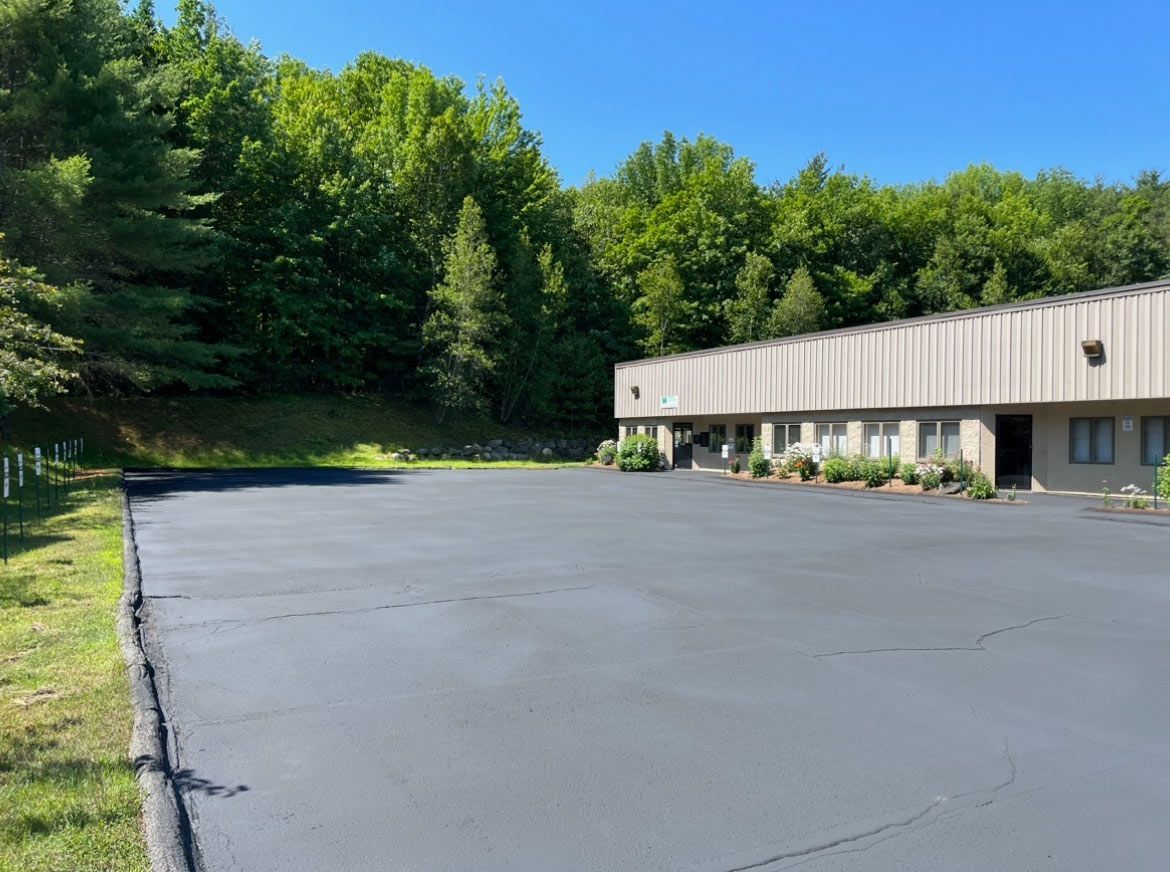
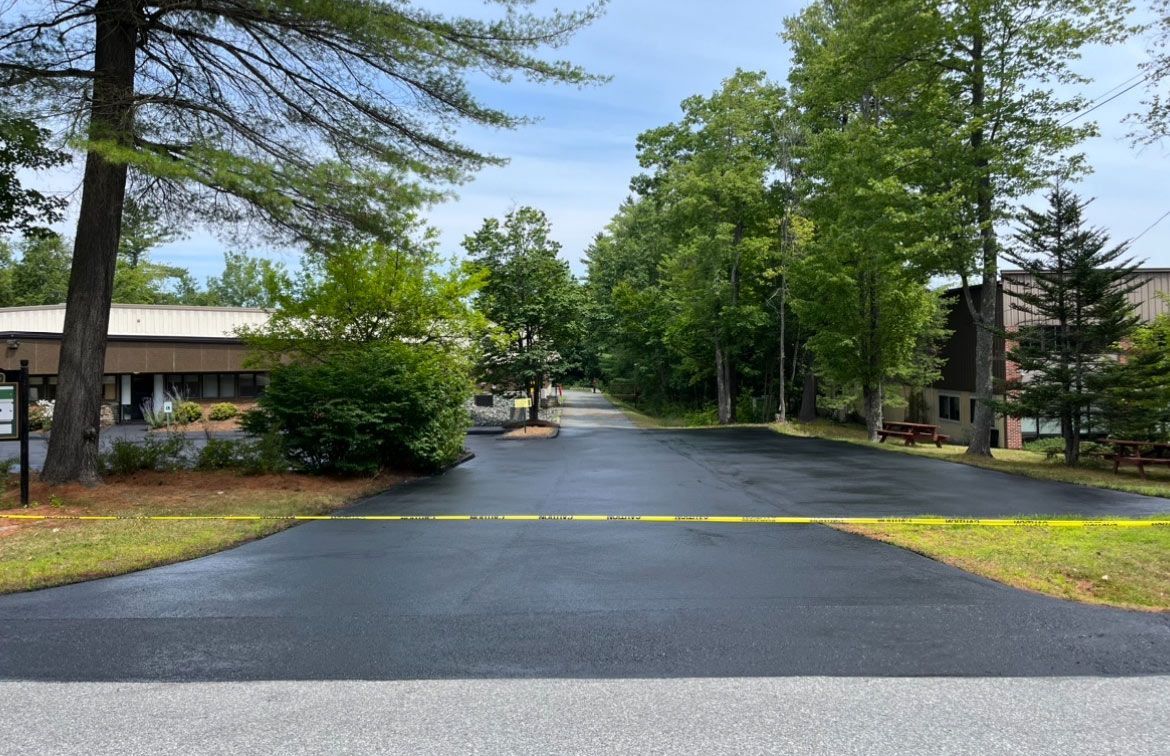
Now flip that. Think about pulling into a lot with a clean, dark, smooth blacktop surface, clearly painted lines, and proper drainage that keeps puddles from forming. It feels organized. It feels like the people inside care about their operation.
That contrast is real, and it plays out every single day in towns across New Hampshire.
What Damaged Pavement Is Actually Costing You
Lost Revenue You Never Track
Most businesses calculate losses from things they can measure returned merchandise, unused inventory, employee turnover. What rarely shows up in any report is the customer who pulled into your lot, saw the condition of it, and drove straight out without stopping.
It happens more than you'd think. Cracked, uneven pavement doesn't just look bad it creates a subconscious signal that the business isn't doing well, isn't well managed, or isn't safe. People don't articulate this thought. They just leave.
Liability Exposure
Beyond perception, deteriorating asphalt creates real physical risk. Potholes cause tire and suspension damage. Raised edges and crumbling sections create trip hazards for pedestrians. In New Hampshire, where freeze thaw cycles are relentless from late fall through early spring, pavement damage accelerates fast. A small crack in October can become a dangerous pothole by March if it's left untreated.
Property owners can face liability claims when customers are injured on poorly maintained surfaces. The cost of one legal matter will far exceed the cost of timely asphalt driveway repair or lot maintenance.
Accelerated Deterioration
Here's what most people don't know about pavement damage: it compounds. A small crack lets water in. Water freezes and expands in the winter months. That crack grows. More water gets in. By the next season, what was a hairline crack is a two inch gap, and what was a two inch gap is now a pothole. Ignoring minor asphalt driveway repair issues doesn't buy time it multiplies the problem and the eventual cost.
How Professional Blacktop Paving Services Make the Difference
Understanding What Your Pavement Actually Needs
Not every damaged lot needs a full replacement. Part of what makes quality blacktop paving services in New Hampshire valuable is the diagnostic approach that comes with real field experience. A trained eye can tell the difference between surface level wear that responds well to sealcoating, moderate cracking that needs targeted crack filling and patching, and base level failure that requires milling and full resurfacing.
Getting that assessment right from the start saves money and ensures you're not putting a cosmetic fix on a structural problem.
Asphalt Driveway Repair: Starting With What's There
For commercial lots and residential driveways alike, asphalt driveway repair is often the most cost effective first move. This means filling cracks before they widen, patching potholes to restore a smooth, safe surface, and addressing drainage issues that cause water to pool and accelerate damage.
Done right with proper preparation, the right materials, and appropriate compaction repair work can extend the usable life of an existing surface by years. Done poorly, it's just a temporary patch that fails again in one season.
This is where the difference between experienced local contractors and quick fix operators becomes obvious. Blacktop paving services in New Hampshire that have been around long enough to understand the regional climate, soil conditions, and seasonal demands know how to approach repairs in a way that actually holds.
Resurfacing and New Installation
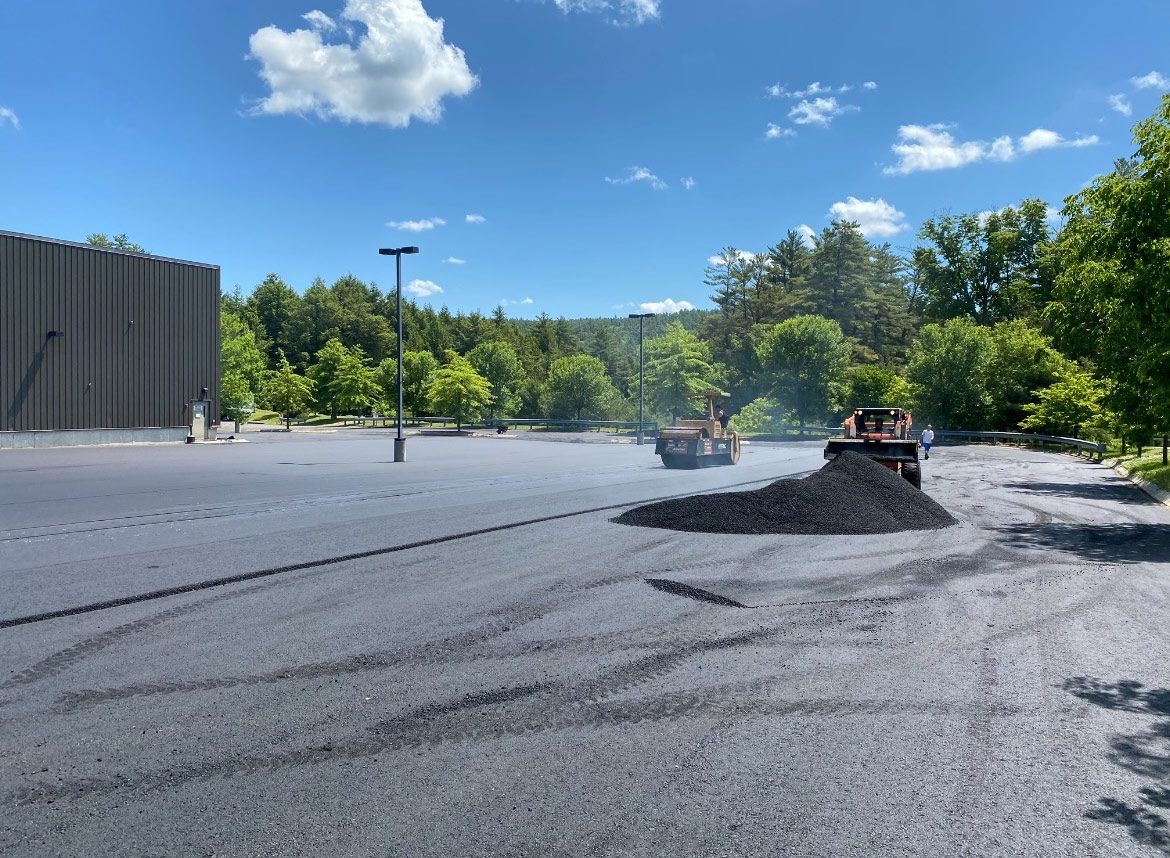
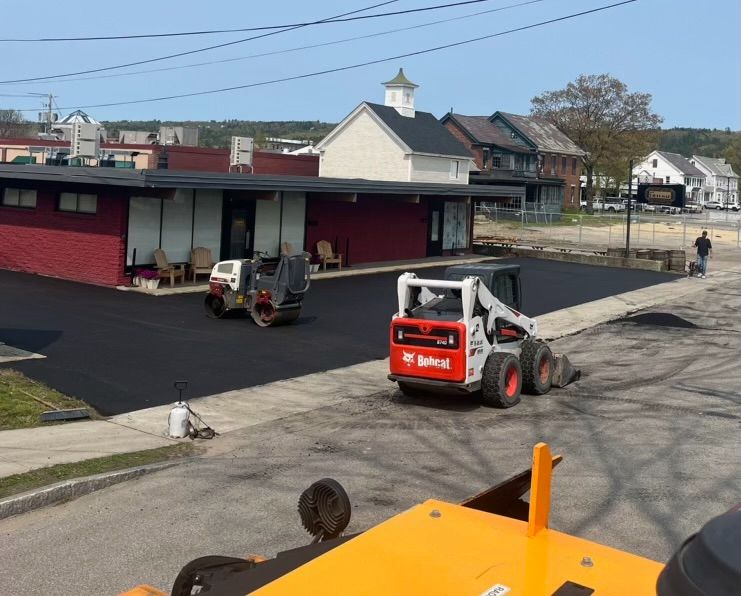
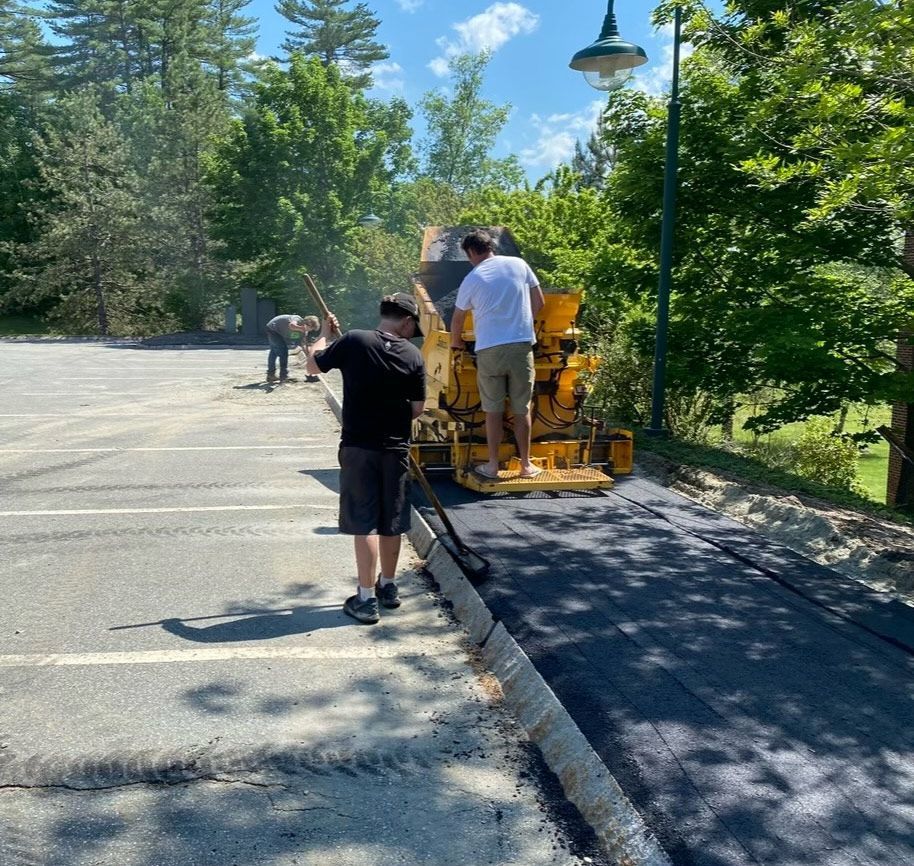
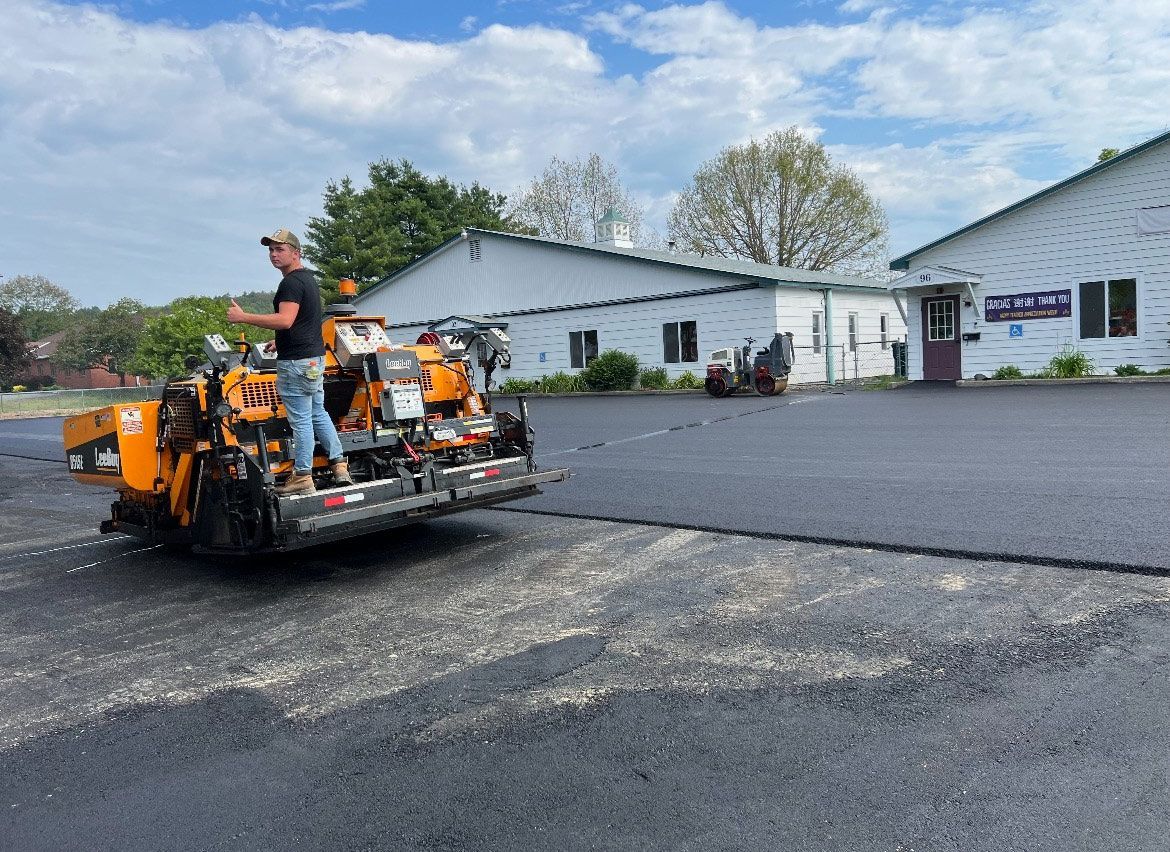
When repair alone isn't enough, resurfacing sometimes called overlay or mill and fill gives a parking area or driveway an essentially new top layer without the full cost of starting from scratch. The old surface is milled down to a uniform depth, any base issues are addressed, and fresh asphalt is laid and compacted.
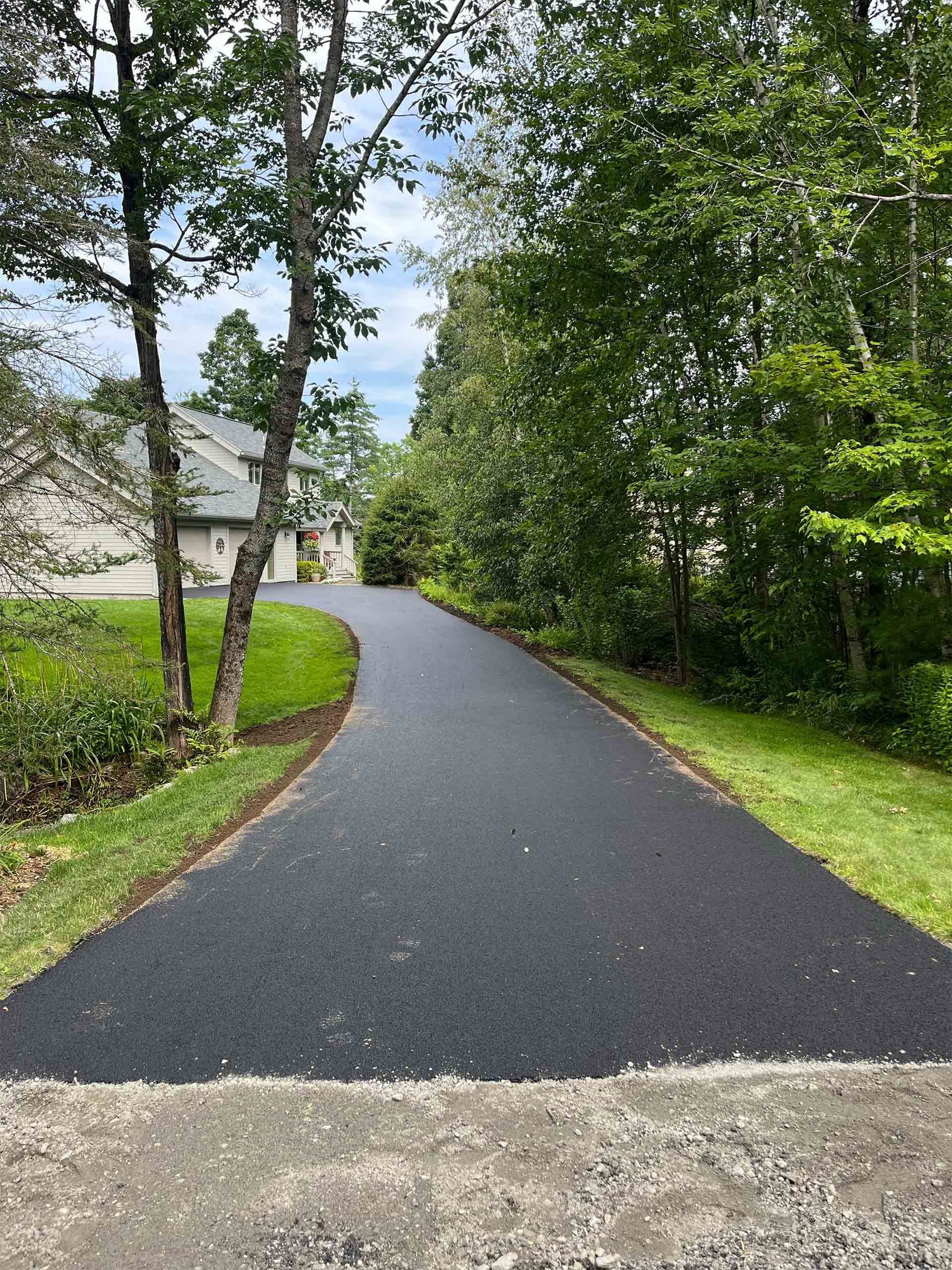
The result is a surface that looks and performs like new. For commercial properties especially, the visual impact is immediate. Customers notice.
For properties where the base has failed completely, or where a new lot is being added, full depth paving is the right path. This is particularly common with expanding businesses that need additional parking capacity or with older properties that have deferred maintenance for too long.
What Good Pavement Maintenance Looks Like Over Time
Year One Cure and Protect
Fresh asphalt needs time to cure fully, typically 90 days before it reaches maximum hardness. During this period, avoiding sharp turns in place, heavy concentrated loads, and excessive heat on the surface protects the investment. After the curing period, a first sealcoat application locks in the surface and starts building protection against UV degradation and moisture intrusion.
Years Two Through Four Monitor and Address
This is the maintenance window. Small cracks are caught early, crack filled before the next winter, and kept from growing. Drainage patterns are checked. Any settling or soft spots are addressed before they become potholes. This is the phase where staying on top of minor asphalt driveway repair pays the biggest dividends.
Year Five and Beyond Reseal and Evaluate
A second sealcoat application around years four to six extends surface life significantly. At this point, an assessment of the overall pavement condition helps determine whether continued maintenance, partial resurfacing, or a full overlay makes the most sense for the next several years.
Properties that follow this kind of structured maintenance timeline routinely get 20 or more years out of their asphalt. Those that ignore it often find themselves facing a full replacement in 10.
New Hampshire's Climate and Why It Demands Quality Work
Anyone who's lived through a New Hampshire winter understands what asphalt takes on every year. Temperatures swing dramatically. Roads get treated with sand and salt. Freeze thaw cycles stress pavement through expansion and contraction. Spring thaw softens subgrade soils. Summer heat makes asphalt pliable enough that it can rut under heavy traffic.
This environment is genuinely demanding, and it's part of why blacktop paving services in New Hampshire have to be done to a higher standard than in more temperate climates. The materials matter. The mix design matters. The thickness of installation matters. The grading and drainage work that happens before a single shovel of asphalt is laid matters enormously.
Contractors who cut corners in these areas produce work that fails faster. The freeze thaw cycle finds every weakness.
First Impressions Are Built on More Than You Think
A smooth, well maintained parking area or driveway doesn't just look professional it communicates something about who you are and how you operate. It tells customers that you take care of your property. It tells them you think about their experience before they even walk inside. It tells them you're the kind of business that handles things properly.
That's a powerful message to send before a single word is exchanged.
If your commercial property or residential driveway in New Hampshire is showing wear cracking, potholes, fading, drainage problems now is the time to address it before another season of weather cycles does more damage. Whether it's targeted asphalt driveway repair or a broader resurfacing project, the right blacktop paving services in New Hampshire can restore that first impression and protect your investment for years to come.
Asphalt Worx LLC brings six generations of hands on paving experience to every project across New Hampshire, Vermont, and The Berkshires. From asphalt driveway repair and sealcoating to full commercial lot resurfacing, the team at Asphalt Worx delivers durable, professional results built to handle everything New Hampshire's seasons throw at them. To schedule a free consultation or request a quote, visit
goasphaltworx.com or call (603) 439 8302 today.