Why Homeowners Choose Affordable Asphalt Paving in New Hampshire
New Hampshire winters are no joke. Once the temperatures start dropping and the first hard freeze sets in, every small flaw in your pavement becomes a ticking clock. What looks like a hairline crack in October can open up into a serious structural problem by March. If you own a home or manage a commercial property in NH, knowing when to call in professionals for asphalt crack repair is one of the smartest moves you can make before the cold season arrives.
This isn't about being overly cautious it's about understanding how asphalt behaves in freeze-thaw cycles and recognizing the warning signs before they turn into expensive full replacements.
Why Winter Is the Worst Time for Cracked Asphalt
Before getting into the specific signs, it's worth understanding what actually happens to cracked asphalt during a New England winter. Water is the real culprit here. When moisture seeps into existing cracks even small ones and then freezes, it expands. That expansion puts tremendous pressure on the surrounding asphalt from the inside out.
Every freeze-thaw cycle chips away a little more at the pavement's structural integrity. What started as surface-level cracking can eventually work its way down to the base layer, compromising the entire pavement system. By the time spring arrives, you may be looking at potholes, heaving, and large-scale deterioration that could have been prevented with timely asphalt crack repair in NH before winter hit.
This is especially true in the Keene area and throughout southern New Hampshire, where temperatures routinely swing above and below freezing throughout the late fall and early spring months.
Clear Warning Signs That Crack Repair Can't Wait
1. Visible Surface Cracks Wider Than a Quarter Inch
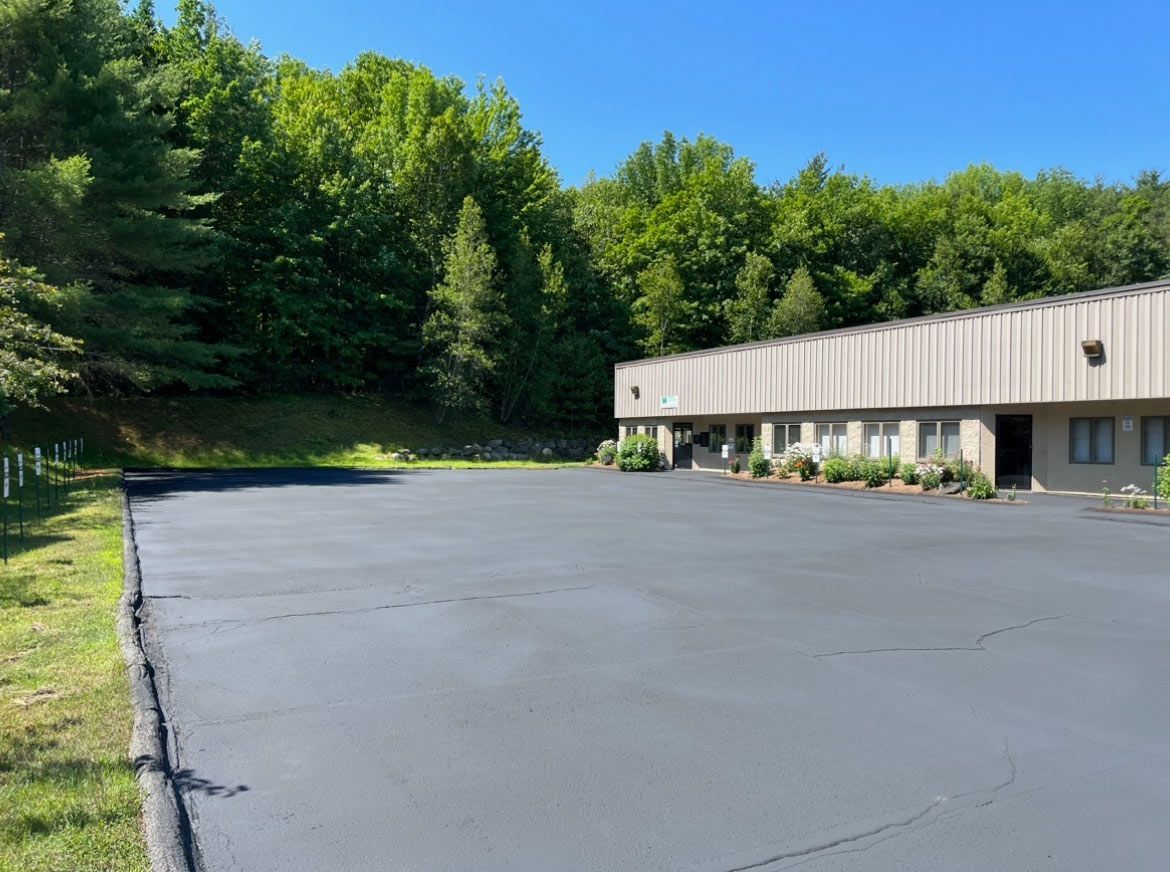
Not all cracks are equal. Hairline cracks the kind that are barely visible can sometimes be managed with sealcoating alone. But once a crack reaches a quarter inch in width or wider, water infiltration becomes a serious concern. At that size, debris also begins to fill the crack, preventing proper sealing and accelerating the breakdown.
Run your hand along the surface. If you can feel distinct edges or the crack shifts underfoot, that's a sign the pavement has already started separating at the base. Don't wait on this one asphalt crack repair at this stage is far more cost-effective than waiting until spring.
2. Alligator Cracking Across Large Surface Areas
Alligator cracking named for the pattern of interconnected cracks that resembles reptile scales is one of the most serious signs of pavement failure. Unlike isolated cracks, alligator cracking typically indicates that the base or sub-base beneath the asphalt has weakened, often from repeated water infiltration or heavy load stress over time.
If you're seeing this pattern on your driveway or parking lot, the surface is telling you something important: the structural integrity has already been compromised. Addressing this before winter is critical because freeze-thaw cycles will accelerate the deterioration rapidly. A professional evaluation can determine whether crack filling, patching, or resurfacing is the right approach.
What Makes Alligator Cracking Different from Surface Cracks?
Surface cracks run in isolated lines and don't necessarily indicate base failure. Alligator cracking, by contrast, appears in clusters and spreads across connected sections. The distinction matters because the repair method differs significantly. Alligator-cracked areas often require base repair before the surface can be properly restored.
3. Edge Cracking Along Driveways and Lot Perimeters
Edges are often the first place pavement begins to fail, particularly on residential driveways where the base doesn't extend far beyond the paved surface. Edge cracking appears as longitudinal breaks running parallel to the pavement's edge, sometimes accompanied by crumbling or raveling.
In NH, this type of cracking tends to worsen quickly once frost sets in because the edges lack the lateral support that the center of the pavement has. Water collects along these edges, freezes, and pushes the pavement upward or inward. Asphalt crack repair NH homeowners should prioritize includes addressing edge cracks before the ground freezes once that happens, proper sealing and adhesion become significantly harder to achieve.
4. Cracks Near Drainage Areas or Low Spots
Pay close attention to cracks that appear in areas where water tends to pool or drain slowly. Standing water is a major accelerator of pavement damage. If cracks are forming in low spots on your lot or driveway, it means water is already sitting against the asphalt longer than it should and once it has a crack to enter through, freeze-thaw damage compounds quickly.
This combination of poor drainage and cracking is particularly common in older parking lots and driveways that were installed without adequate grading. Repairing the cracks without also addressing the drainage issue will only provide a temporary fix, so a thorough professional inspection is worth the time.
How Crack Severity Changes After the First Freeze
The Window Closes Faster Than You Think
Most property owners underestimate how quickly the repair window closes in New Hampshire. Crack fillers and sealants require a minimum temperature typically above 50°F to cure properly and bond to the asphalt. Once daytime temperatures drop consistently below that threshold, the effectiveness of any repair work diminishes significantly.
There's a reason experienced paving professionals consistently advise scheduling asphalt crack repair in NH no later than early fall. Waiting until you notice active deterioration in late October or November often means waiting until spring and a lot more damage between now and then.
When Crack Repair Alone Isn't Enough
There are situations where crack filling is only part of the answer. If your pavement is more than 20 years old, shows widespread cracking across the entire surface, or has developed potholes and significant depression areas, a full resurfacing or reclamation may be the more practical long-term solution.
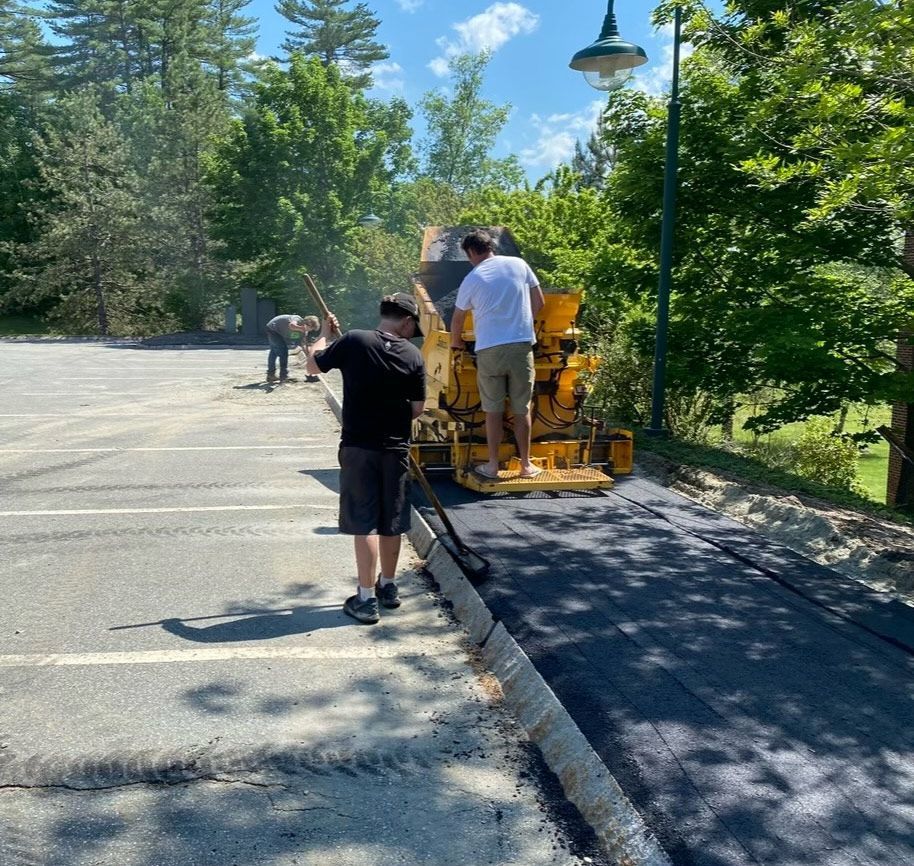
Reclaiming and repaving allows contractors to address base issues that crack repair simply can't reach. For commercial properties in particular, where heavy vehicle traffic accelerates wear, understanding the difference between a surface repair and a structural one is essential before investing in any pre winter work.
A professional assessment should always be the first step when you're unsure how deep the damage goes.
Protecting Your Investment Before the Ground Freezes
Asphalt is a long-term investment. A well-maintained driveway or parking lot can last 20 to 30 years with the right care and a significant part of that care happens in the fall. Beyond crack repair, pairing that work with a professional sealcoating application adds a protective barrier against moisture, UV exposure, and the repeated stress of freeze-thaw cycles.
The combination of asphalt crack repair and sealcoating is the standard pre winter maintenance approach for a reason: it addresses existing damage while fortifying the surface against what's coming.
If your driveway or parking lot is showing any of these signs, now is the time to act not after the first snowfall. Asphalt Worx LLC serves homeowners and businesses across New Hampshire, Vermont, and The Berkshires, providing expert
asphalt crack repair in NH and comprehensive pavement maintenance solutions. With six generations of paving experience behind every project, the team at Asphalt Worx brings field-proven knowledge to every assessment and repair. Reach out to schedule a free consultation before the season changes your pavement will thank you come spring.