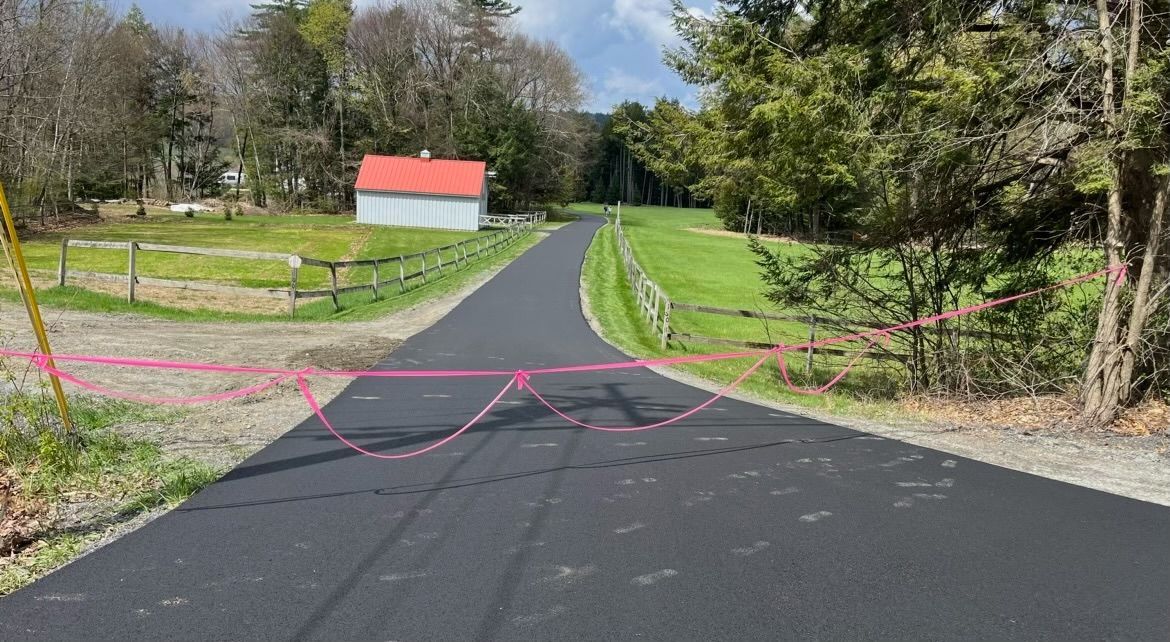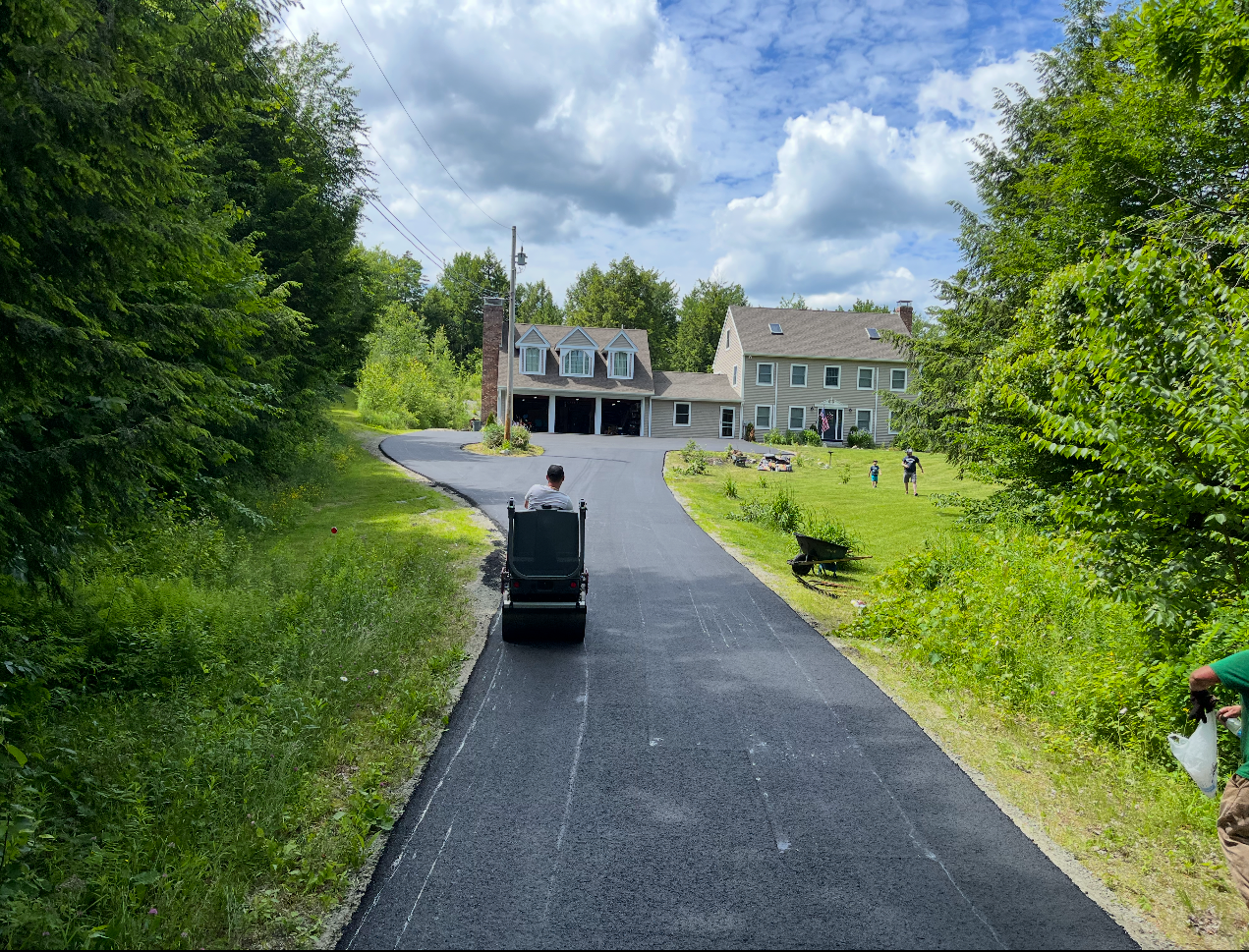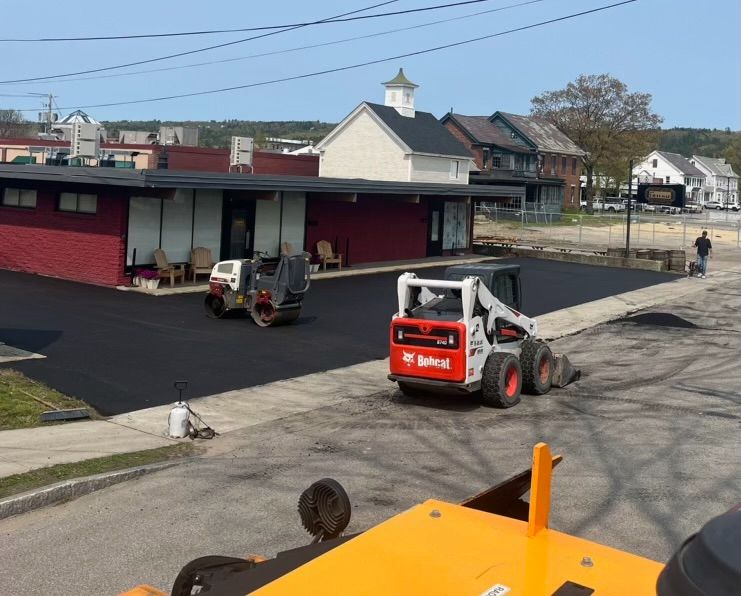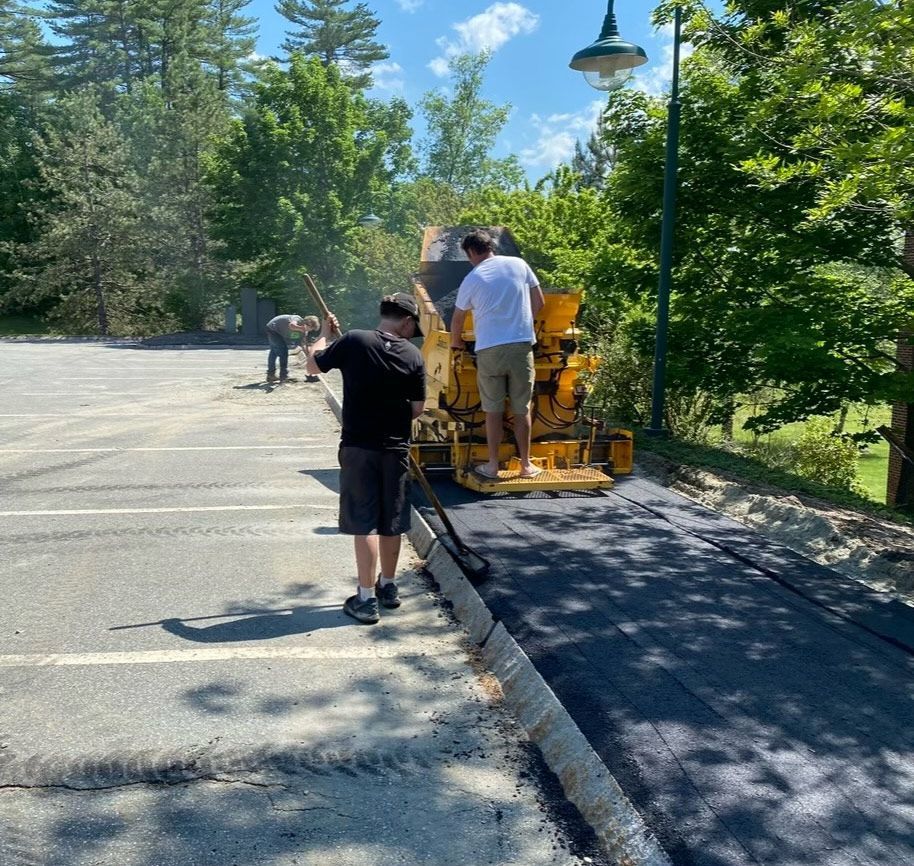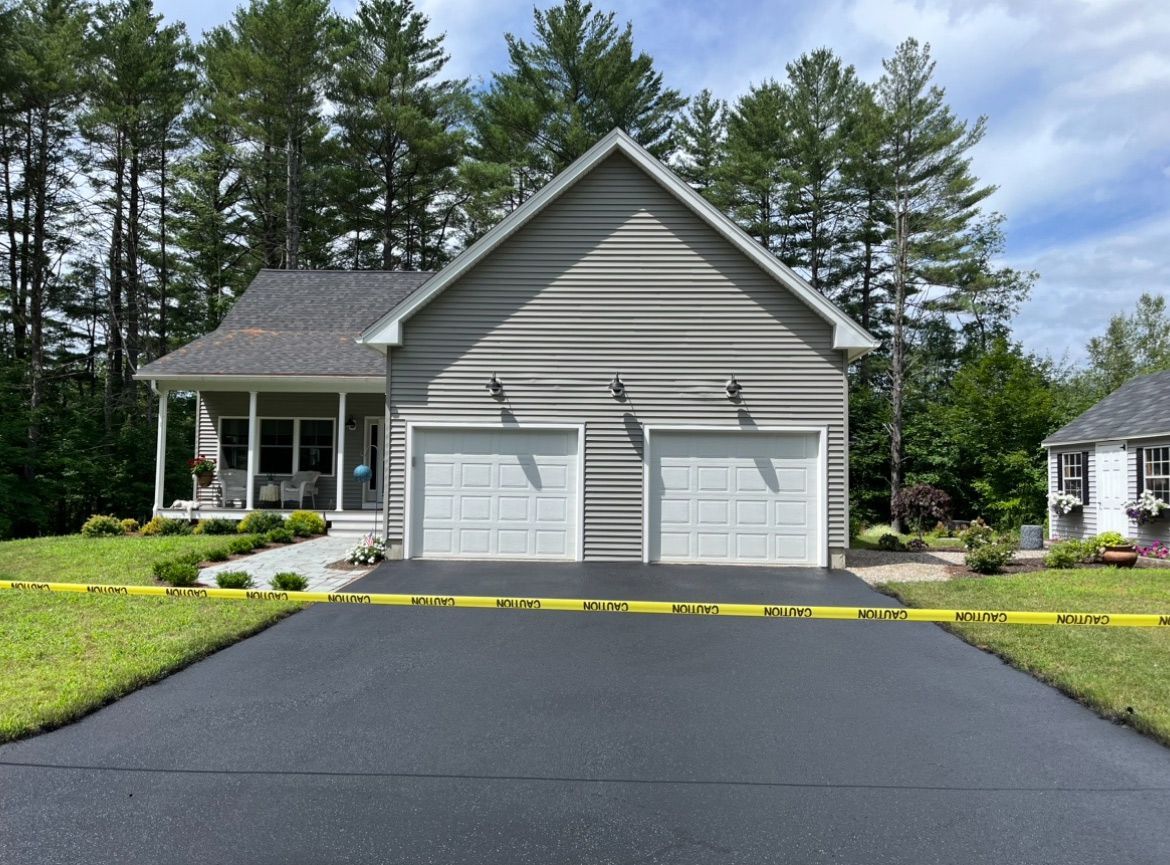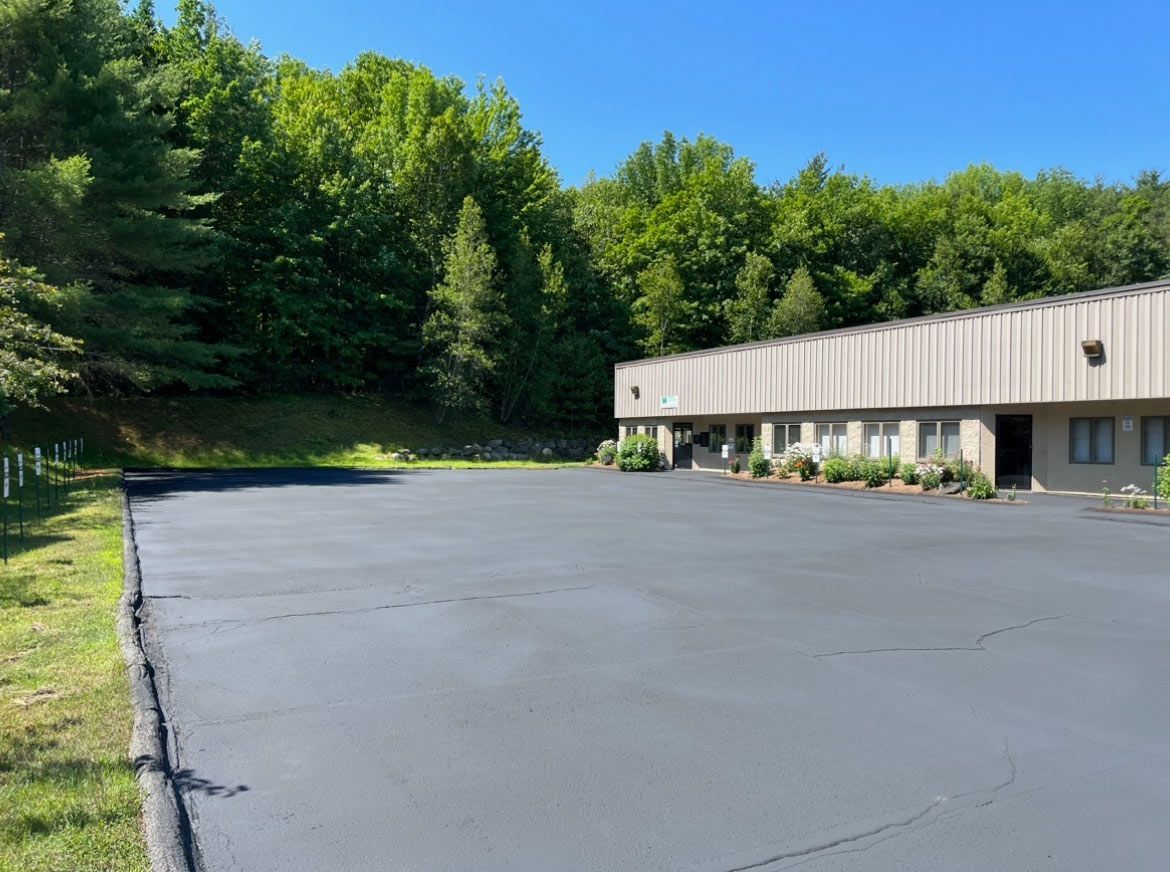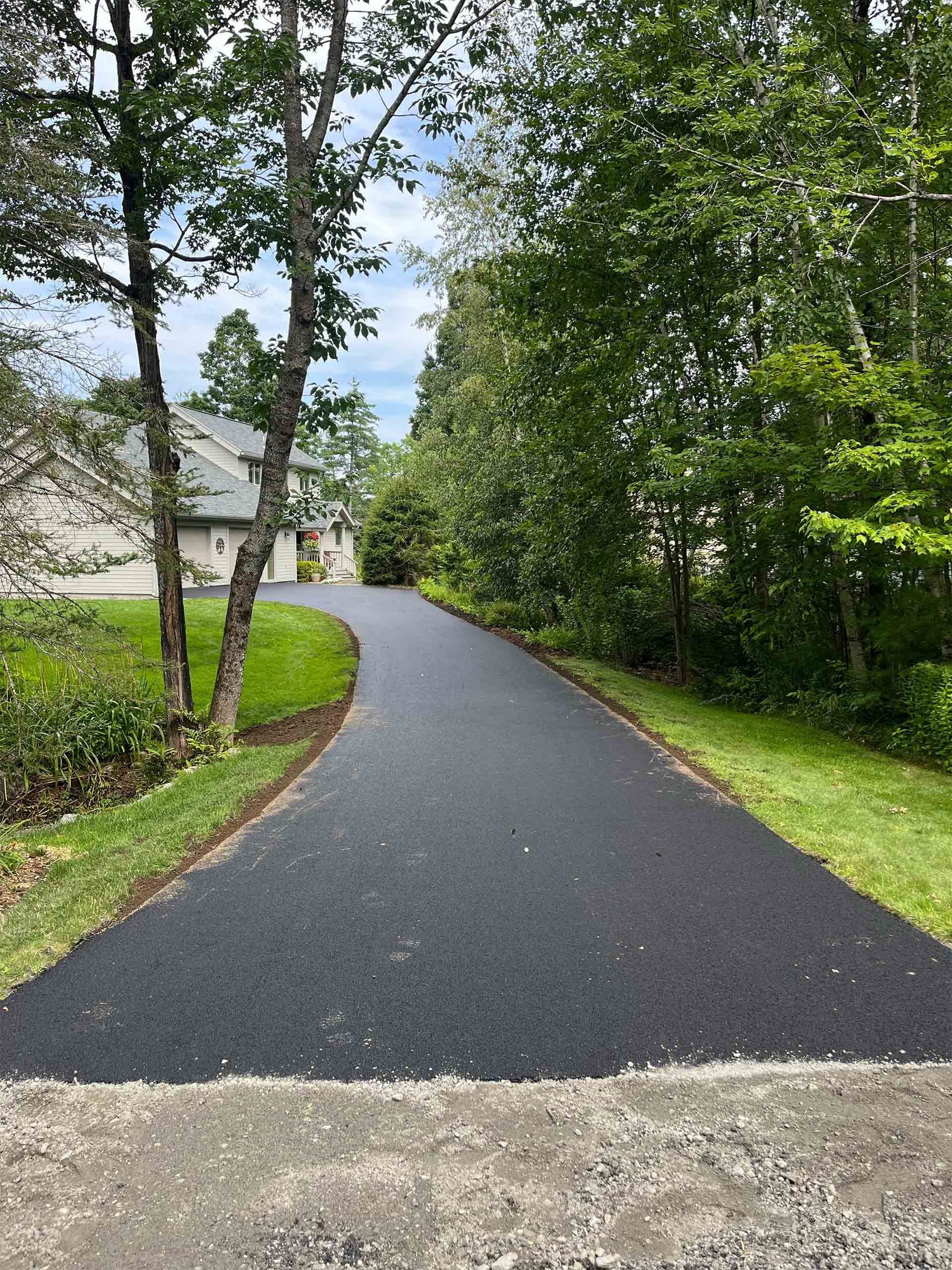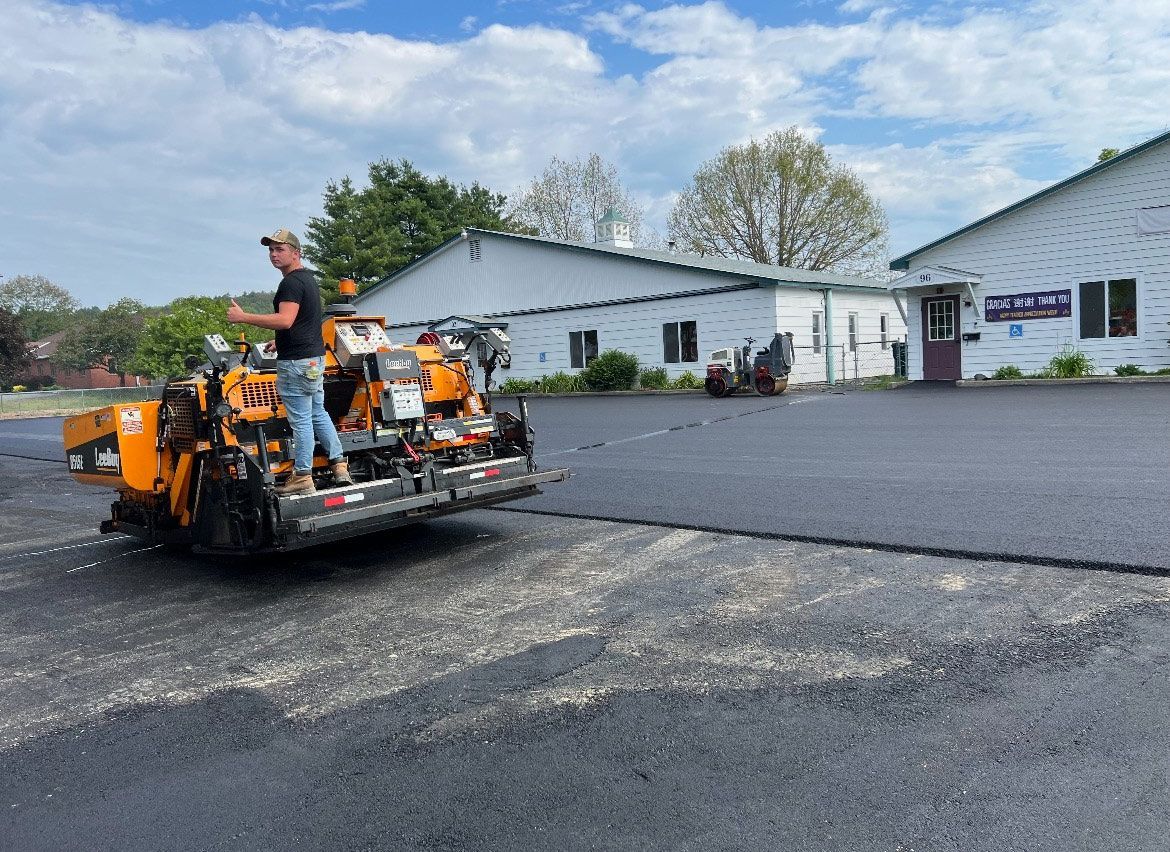
How to Find the Best Residential Paving Contractors in Vermont

Arthur Stanley • January 26, 2026

A well-paved driveway, walkway, or patio not only enhances the beauty of your property but also adds long-term value. Achieving durable, smooth, and visually appealing results requires hiring experienced professionals. In Vermont, homeowners have many options, but selecting the best residential paving contractors in Vermont can feel overwhelming.


This guide will walk you through how to hire a reliable residential paving company in Vermont, the types of services they provide, and tips to ensure your project is completed efficiently and professionally.


Why Hiring a Professional Residential Paving Contractor Matters


Investing in professional residential paving services in Vermont has several advantages. While DIY projects may seem cost-effective initially, they often result in cracks, uneven surfaces, and frequent repairs. Hiring a trusted residential asphalt company in Vermont ensures:


  • Durability: Professionals use high-quality materials and precise installation techniques.
  • Aesthetic Appeal: Smooth, even surfaces enhance your property’s overall appearance.
  • Safety: Even surfaces reduce tripping hazards and other accidents.
  • Long-Term Cost Savings: Proper installation minimizes future repair costs.

Whether building a new driveway, resurfacing an existing one, or repairing damage, professional residential paving contractors in Vermont provide strong, long-lasting surfaces that homeowners can rely on.


Services Offered by Residential Paving Contractors in Vermont


Understanding the range of services offered is essential before hiring a residential paving company in Vermont. Most contractors provide comprehensive options for both residential and some commercial needs.


1. Driveway Installation and Resurfacing


Installing a new driveway requires proper grading, planning, and the use of high-quality asphalt. Experienced residential paving contractors in Vermont ensure smooth, durable surfaces that can withstand heavy use and seasonal weather changes.

Resurfacing older driveways restores their look and extends their lifespan. From excavation and base preparation to final asphalt paving, contractors manage the entire process, ensuring long-term performance and an attractive finish.


2. Asphalt Repair and Maintenance


Vermont’s harsh winters and fluctuating temperatures can cause cracks, potholes, and surface deterioration. Professional residential paving services in Vermont include:


  • Crack filling and patching
  • Sealcoating to protect surfaces
  • Pothole repairs
  • Routine maintenance to prevent long-term damage

Hiring an experienced residential asphalt company in Vermont ensures timely repairs and consistent upkeep, keeping driveways and walkways functional and safe year-round.


3. Walkways, Patios, and Outdoor Spaces


Many homeowners want more than just a driveway. Skilled residential paving contractors in Vermont also create and maintain:


  • Garden paths and walkways
  • Patios and outdoor seating areas
  • Driveway extensions and decorative borders

These services improve property functionality and enhance outdoor aesthetics, making your home more enjoyable for family and guests.


4. Sealcoating and Surface Protection


Sealcoating is crucial for protecting asphalt surfaces from damage. A professional residential asphalt company in Vermont can provide sealcoating services that prevent:


  • Damage from UV rays and sunlight
  • Water penetration and freeze-thaw damage
  • Oil stains and general wear

Regular sealcoating not only extends the lifespan of your asphalt but also maintains a fresh, black finish that enhances curb appeal.


5. Commercial Paving Services


Some residential paving contractors also offer commercial paving solutions. Hiring a commercial paving company in Vermont can be useful if you need consistent quality for both home and business properties.


Services may include:


  • Parking lot paving and maintenance
  • Access roads
  • Commercial driveway repairs


Working with contractors experienced in both residential and commercial projects ensures your property receives professional, durable results.


Factors to Consider When Choosing a Residential Paving Company


Selecting the right residential paving company in Vermont requires careful consideration. Here are some critical factors to guide your choice:


1. Experience and Expertise

Choose contractors with extensive experience in residential paving projects. Experienced residential asphalt companies in Vermont understand local soil conditions, climate, and best practices to deliver lasting results.


2. Range of Services

Hiring a contractor who provides multiple services is ideal. Look for comprehensive residential paving services in Vermont, including installation, repair, resurfacing, sealcoating, and maintenance.


3. References and Reviews

Check online reviews and ask for references. Feedback from previous clients provides insights into workmanship, professionalism, and reliability.


4. Licensing and Insurance

Always confirm the contractor is licensed and insured. This protects you from liability in case of accidents during the project.


5. Transparent Pricing

Request detailed estimates and compare pricing. A reliable residential paving company in Vermont provides clear, upfront costs without hidden fees.


6. Equipment and Materials

Top contractors use modern equipment and high-quality asphalt to ensure smooth, long-lasting surfaces. Avoid companies that cut corners by using substandard materials.


Steps to Hiring the Right Residential Paving Contractor


Hiring the right contractor involves careful research and planning. Follow these steps to ensure success:


1. Research Local Contractors

Start with a list of trusted residential paving contractors in Vermont. Visit websites, portfolios, and read online reviews to narrow your options.


2. Check Credentials

Verify licenses, certifications, and insurance. Confirm that the company complies with Vermont state regulations.


3. Request Quotes

Obtain at least 2–3 estimates for your project. Compare pricing, materials, timelines, and services to make an informed choice.


4. Ask Questions

Discuss your project in detail. Ask about installation methods, materials, maintenance requirements, and timelines.


5. Review Contracts Carefully

Ensure all project details are documented, including scope of work, materials, timeline, warranty, and total cost.


6. Confirm Local Experience

Choose contractors familiar with Vermont’s climate. Experienced residential asphalt companies in Vermont can anticipate seasonal challenges and ensure long-lasting surfaces.


Tips to Ensure Long-Lasting Results


Once your project is completed, proper care ensures durability. Consider these tips:


1. Schedule Regular Maintenance

Periodic inspections and sealcoating prevent minor issues from becoming major problems.


2. Limit Heavy Loads

Avoid parking heavy trucks or machinery on new driveways. This helps prevent early cracks and surface damage.


3. Ensure Proper Drainage

Water pooling can weaken asphalt. Make sure your driveway or walkway has proper slopes and drainage channels.


4. Address Repairs Promptly

Fix minor cracks or potholes immediately to prevent costly repairs later.


Get Started With the Right Residential Paving Experts


Selecting the right residential paving contractors in Vermont ensures your driveway, walkway, or patio is durable, safe, and visually appealing. By evaluating experience, range of services, customer feedback, and local knowledge, homeowners can make informed decisions.


Professional residential paving services in Vermont improve property value and reduce the need for frequent repairs. Whether you need installation, resurfacing, or maintenance, working with skilled contractors ensures long-lasting results.


For those seeking reliable expertise, companies like Go Asphalt Worx provide experienced teams and practical guidance, making it easier to choose the right paving solution for your property. Their approach combines quality materials, professional workmanship, and customer-focused service, ensuring lasting results without being overly promotional.
By Arthur Stanley May 19, 2026
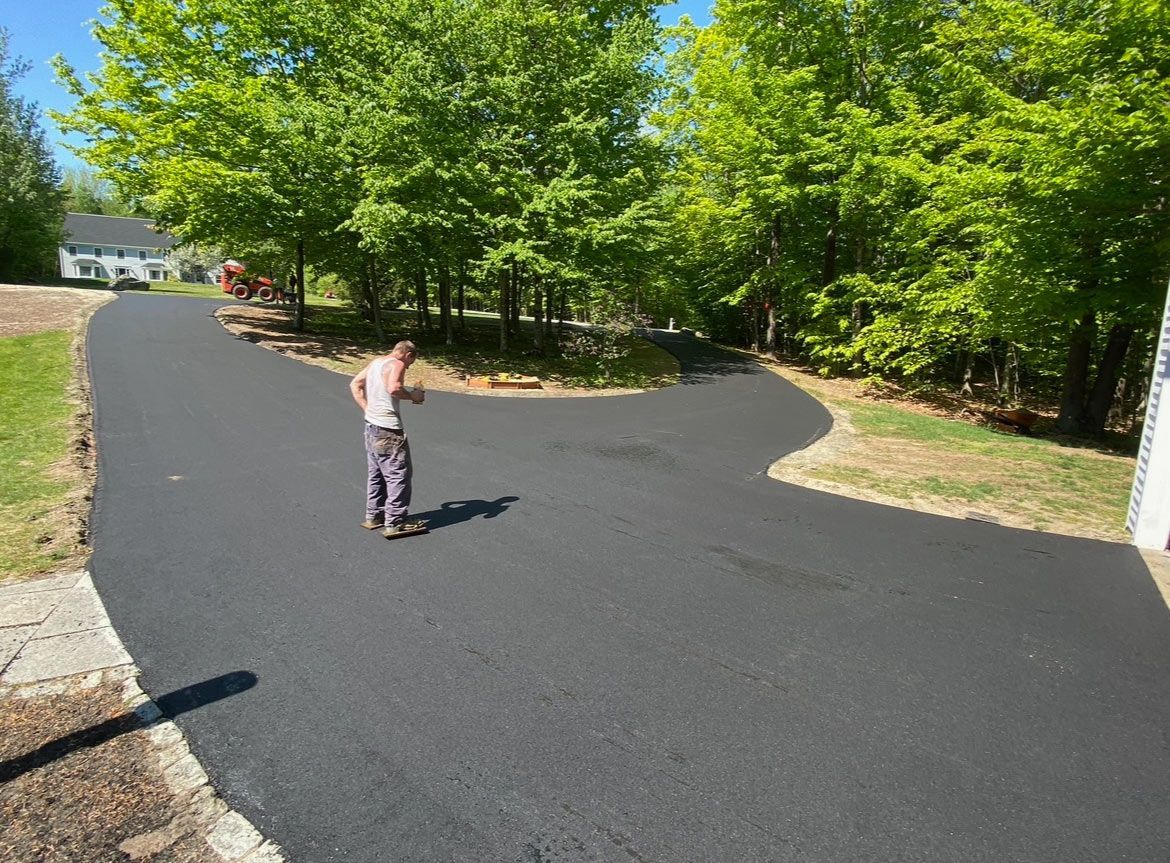
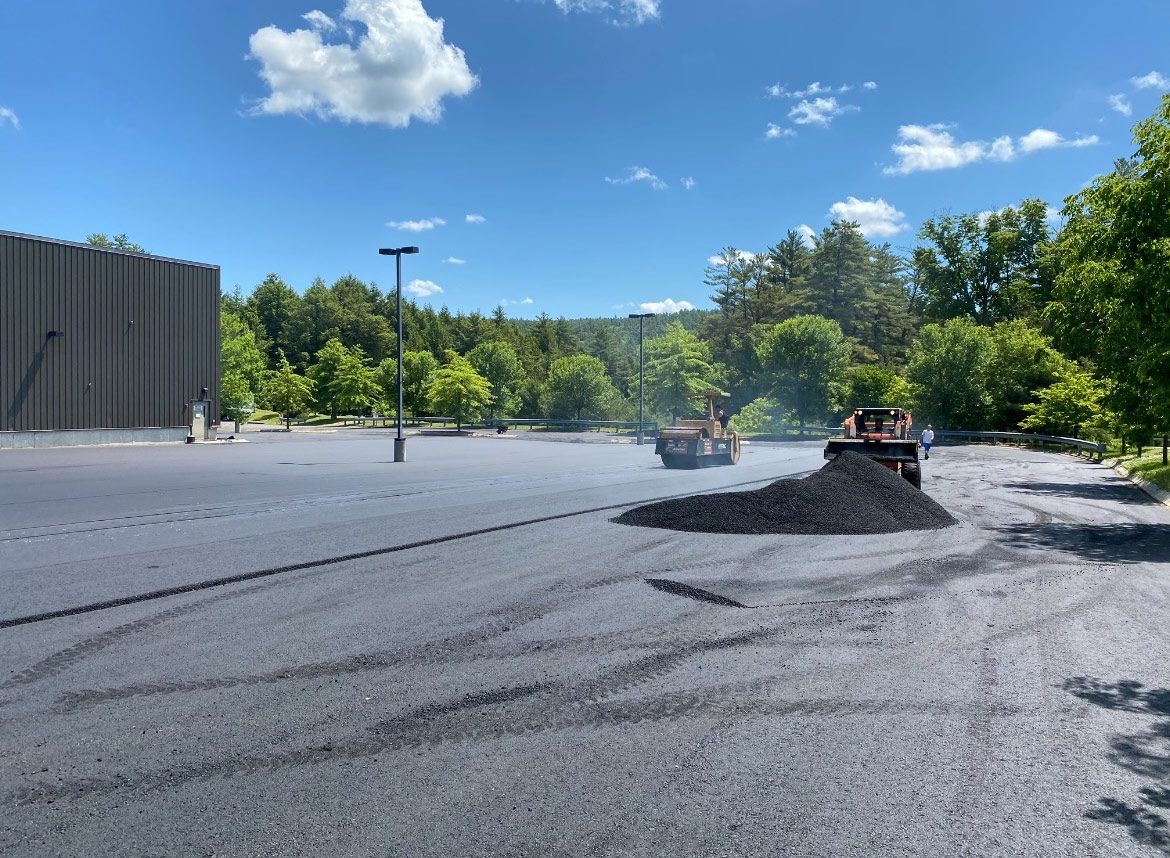
When homeowners and property managers first invest in a freshly paved driveway or parking lot, the deep black finish of new asphalt creates a clean and polished appearance. Over time, however, that rich color often begins to fade into a dull gray surface. Many property owners in New Hampshire wonder why this happens and whether fading is a sign of serious damage. According to experienced Paving Companies in Marlow NH, asphalt discoloration is a natural process, but several environmental and structural factors can speed it up. Understanding what causes asphalt to fade can help property owners protect their investment and extend the life of their pavement. Professional Paving Companies in Marlow NH often recommend routine maintenance and timely repairs to keep asphalt surfaces looking and performing their best throughout the changing New England seasons. Oxidation Is the Leading Cause of Asphalt Fading One of the primary reasons asphalt loses its dark appearance is oxidation. Asphalt contains natural oils and binders that help maintain flexibility and durability. As pavement is exposed to oxygen and sunlight over time, those oils begin to break down. The surface gradually dries out, which changes the asphalt from black to gray. This process is especially common in areas that experience strong UV exposure and fluctuating temperatures. Experienced Paving Companies in Marlow NH regularly see oxidation accelerate on driveways and parking lots that have not been seal coated or maintained properly. How UV Rays Affect Asphalt Surfaces Ultraviolet rays from the sun continuously attack the surface of asphalt pavement. While asphalt is built to withstand outdoor conditions, years of direct sunlight slowly weaken the binding materials that keep the pavement flexible. As the oils evaporate, the pavement becomes brittle and faded. This is why older driveways often develop a dry, chalky appearance before cracks begin forming. Reliable Paving Companies in Marlow NH often recommend seal coating every few years to create a protective barrier against UV damage. The Role of Air and Moisture Exposure Oxidation becomes even more aggressive when air and moisture penetrate the asphalt surface. Rain, snow, and humidity can work their way into small surface pores and contribute to the breakdown of asphalt binders. In New Hampshire, freeze thaw cycles also create additional stress on pavement surfaces. Water expands when frozen, which can worsen fading and eventually lead to cracking. Professional Paving Companies in Marlow NH understand how regional climate conditions affect pavement longevity and often design maintenance plans accordingly. Traffic Wear Can Speed Up Color Loss Vehicle traffic also contributes to asphalt turning gray. Every car that drives across the pavement creates friction on the surface. Over time, this wear removes fine asphalt particles and exposes older materials underneath. High traffic areas such as entrances, turning zones, and parking spaces often fade faster than less frequently used sections. Commercial properties especially experience accelerated wear due to heavier vehicles and constant use. Heavy Vehicles and Surface Abrasion Trucks, delivery vehicles, and equipment place greater pressure on asphalt surfaces than standard passenger vehicles. Continuous stress weakens the top layer of pavement and can strip away the darker surface oils more quickly. Trusted Paving Companies in Marlow NH often recommend thicker asphalt applications for commercial lots or properties expecting heavier traffic loads. Proper installation helps reduce early surface deterioration and uneven fading. Harsh Weather Conditions in New Hampshire Weather has a major influence on asphalt appearance and durability. Snow, ice, rain, and road salt all contribute to pavement aging. In colder climates like New Hampshire, asphalt faces year round environmental stress. Winter conditions are particularly tough because moisture repeatedly freezes and thaws within the pavement structure. This cycle weakens the surface and contributes to both fading and cracking. Snow Removal and Salt Exposure Many property owners do not realize that snow plows and deicing salts can affect asphalt color and texture. Metal plow blades may scrape protective layers from the surface, while salt can slowly deteriorate asphalt binders over time. Experienced Paving Companies in Marlow NH often recommend proper snow removal techniques and seasonal maintenance inspections to reduce long term pavement damage. Why Seal coating Matters in Cold Climates Seal coating acts as a protective shield that helps preserve asphalt color and strength. It limits oxidation, blocks moisture intrusion, and protects against chemical exposure. Without seal coating, asphalt is far more vulnerable to fading and premature aging. Many professional Paving Companies in Marlow NH suggest applying seal coat every two to three years depending on traffic levels and weather exposure. Poor Installation Can Lead to Early Fading Not all asphalt surfaces age at the same rate. In many cases, premature fading is linked to poor installation practices. If asphalt is not mixed correctly, compacted properly, or installed at the right thickness, the surface may begin deteriorating sooner than expected. Low quality materials and rushed workmanship often result in pavement that cannot withstand environmental stress effectively. Reputable Paving Companies in Marlow NH focus on proper grading, drainage, and compaction to ensure long lasting performance. Drainage Problems and Water Damage Water is one of asphalt’s biggest enemies. Poor drainage allows moisture to collect on the pavement surface or seep beneath it. Standing water speeds up oxidation and weakens the structural integrity of asphalt. A properly designed paving system directs water away from the surface and reduces long term deterioration. Skilled Paving Companies in Marlow NH evaluate drainage carefully before beginning any paving project. Preventing Asphalt From Turning Gray Too Quickly Although fading is a natural part of asphalt aging, regular maintenance can significantly slow the process. Property owners who invest in preventative care often extend pavement life by many years. Some of the most effective maintenance practices include: Routine sealcoating Crack filling and minor repairs Proper drainage management Regular cleaning to remove debris and chemicals Timely resurfacing when needed Working with experienced Paving Companies in Marlow NH helps property owners identify early warning signs before costly repairs become necessary. When to Schedule Asphalt Maintenance Many paving professionals recommend annual pavement inspections, especially after winter. Early maintenance can prevent small problems from becoming major structural issues. If asphalt appears faded, brittle, or uneven, it may be time for sealcoating or resurfacing. Professional assessments allow property owners to determine the most cost effective solution for preserving pavement quality. Choosing Experienced Asphalt Professionals Not every paving contractor delivers the same level of workmanship and long term value. Experienced contractors understand how climate, traffic patterns, and material quality affect asphalt performance over time.  Reliable Paving Companies in Marlow NH use proper installation techniques and maintenance strategies designed specifically for local weather conditions. Whether the project involves a residential driveway, commercial parking lot, or private roadway, quality workmanship plays a major role in preventing premature fading and surface deterioration. Property owners looking to protect their asphalt investment can benefit from working with professionals who understand the unique paving challenges found throughout New Hampshire. Asphalt Worx provides dependable paving solutions, maintenance services, and long lasting workmanship for residential and commercial properties. If you are searching for trusted Paving Companies in Marlow NH, their experienced team can help restore, protect, and maintain asphalt surfaces that continue to perform well year after year.
By Arthur Stanley May 19, 2026
Homeowners planning a new driveway or replacing an aging surface often compare asphalt and concrete before making a final decision. Cost remains one of the biggest factors, especially in areas like New Hampshire where weather conditions can impact long term maintenance and durability. In 2026, asphalt continues to be a more affordable option upfront for many residential properties, but the complete answer depends on installation costs, maintenance needs, climate conditions, and long term value. Experienced Paving Companies in West Chesterfield NH frequently help homeowners evaluate both materials based on property size, budget, and expected usage. While concrete has its advantages, asphalt remains one of the most popular choices for residential paving in NH because of its affordability, flexibility, and performance in colder climates. Understanding how asphalt compares to concrete in terms of pricing and maintenance can help homeowners make a more informed investment decision. Comparing Asphalt and Concrete Installation Costs When looking strictly at initial installation expenses, asphalt is usually less expensive than concrete. Material costs, labor requirements, and installation time all contribute to the price difference. Concrete requires more extensive preparation, longer curing times, and higher material costs. Asphalt, on the other hand, can often be installed faster and with fewer labor intensive steps. Many Paving Companies in West Chesterfield NH recommend asphalt for homeowners seeking a practical and cost effective paving solution. Why Asphalt Installation Costs Less Several factors contribute to asphalt being more affordable upfront: Faster installation process Lower material costs Reduced labor time Easier site preparation Simpler repair procedures Because asphalt can typically be installed and used more quickly, homeowners often save on both labor expenses and project downtime. For residential paving in NH, asphalt also adapts well to uneven terrain and seasonal temperature fluctuations, which can reduce installation complications. Concrete Requires More Time and Labor Concrete installations generally involve longer curing periods and more detailed finishing work. Depending on weather conditions, homeowners may need to wait several days before using the surface fully. Additionally, concrete often requires reinforcement materials such as rebar or wire mesh, increasing overall project costs. Reliable Paving Companies in West Chesterfield NH explain that while concrete may offer a different visual appearance, it usually comes with a higher initial investment. Climate Conditions Matter in New Hampshire The New Hampshire climate plays a major role in determining which paving material performs better over time. Freeze thaw cycles, snow accumulation, road salt, and moisture exposure can all affect pavement durability. Residential paving in NH requires materials that can handle seasonal expansion and contraction without excessive cracking or structural failure. Asphalt Handles Freeze Thaw Cycles Better Asphalt is naturally more flexible than concrete. This flexibility allows it to expand and contract with changing temperatures, reducing the likelihood of severe cracking during winter months. Concrete is more rigid, which makes it vulnerable to cracking when the ground shifts due to freezing and thawing. Once concrete cracks develop, repairs can become expensive and highly visible. Many experienced Paving Companies in West Chesterfield NH recommend asphalt for driveways because it performs more reliably in colder northern climates. Snow Removal and Winter Maintenance Winter maintenance also impacts long term paving costs. Asphalt surfaces typically make snow and ice melt faster because the darker material absorbs heat more effectively than concrete. Concrete surfaces may require additional care during snow removal to prevent surface damage or chipping caused by deicing products. Professional Paving Companies in West Chesterfield NH often explain that asphalt can be easier and more affordable to maintain during harsh winter conditions. Maintenance Costs Over Time Although asphalt is less expensive initially, maintenance requirements should also be considered. Asphalt generally needs periodic seal coating and minor repairs to maintain appearance and durability. Concrete usually requires less routine maintenance, but when repairs become necessary, they are often more expensive and difficult to blend visually. Asphalt Repairs Are More Affordable One major advantage of asphalt is that repairs are usually straightforward and cost effective. Cracks, potholes, and worn areas can often be patched or resurfaced without replacing the entire driveway. Seal coating also helps protect asphalt from oxidation, moisture damage, and UV exposure. Many homeowners involved in residential paving in NH choose asphalt because routine maintenance costs remain manageable over time. Concrete Repair Challenges Concrete repairs can be more complicated because patched areas rarely match the original surface color perfectly. Large cracks or damaged slabs may require full section replacement, which increases labor and material costs. Additionally, concrete surfaces can become uneven due to frost heaving or soil movement beneath the slab. Trusted Paving Companies in West Chesterfield NH often help homeowners weigh these long term repair considerations before selecting a paving material. Lifespan Expectations for Both Materials Concrete driveways can sometimes last longer than asphalt when installed and maintained properly. However, asphalt driveways can still provide decades of reliable performance with regular maintenance and timely repairs. In many cases, homeowners find that asphalt’s lower installation cost and easier repair process outweigh the potential lifespan difference. Appearance and Property Value Considerations Some homeowners choose concrete because of its decorative options and lighter appearance. Stamped or colored concrete can create a customized look, though these upgrades significantly increase costs. Asphalt offers a clean, smooth, and professional appearance that complements many residential properties. Fresh asphalt also creates strong curb appeal with its rich black finish. Which Material Adds More Value? Property value depends more on the quality and condition of the driveway than the material itself. A professionally installed asphalt driveway that is properly maintained can greatly improve curb appeal and functionality. Experienced Paving Companies in West Chesterfield NH often recommend focusing on installation quality and drainage design rather than simply choosing the more expensive material. Long Term Performance vs. Initial Cost For many homeowners, asphalt provides the best balance between affordability, durability, and long term maintenance. Residential paving in NH requires surfaces that can withstand seasonal weather without creating excessive repair costs. Concrete may appeal to homeowners seeking a decorative finish, but asphalt often delivers better overall value for practical residential use. Choosing the Right Paving Contractor Whether selecting asphalt or concrete, the contractor’s experience and workmanship play a major role in long term pavement performance. Proper grading, base preparation, drainage planning, and installation techniques all affect durability and lifespan. Reliable Paving Companies in West Chesterfield NH understand the unique environmental conditions that impact residential paving in NH. They evaluate each property carefully and recommend solutions based on budget, traffic levels, and climate exposure.  Asphalt Worx provides professional paving solutions designed specifically for New Hampshire homeowners. Their team focuses on high quality asphalt installation, proper drainage planning, and long lasting residential paving services that hold up through demanding seasonal conditions. Homeowners searching for trusted Paving Companies in West Chesterfield NH can rely on Asphalt Worx for dependable workmanship, cost effective paving solutions, and durable asphalt surfaces built to perform well for years to come.
By Arthur Stanley May 19, 2026
There’s a question that comes up more often than you’d think in this line of work: “Does it really matter what time of year I pave?” The short answer is yes — quite a bit, actually. Asphalt is a temperature-sensitive material. How it’s laid, how it cures, and how it holds up over time are all directly tied to the conditions present during installation. Whether you’re looking into a new driveway, a parking lot resurfacing, or a commercial paving project, understanding the seasonal differences can save you money and headaches down the road. This is something the experienced paving companies in Marlborough NH area know well. Seasonal conditions in New England aren’t just a backdrop — they’re an active variable in every paving decision made on a job site. Why Summer is Considered Prime Paving Season Ask any crew that’s been in the paving industry for a while, and they’ll tell you summer is when the work flows best. Hot mix asphalt needs to be placed and compacted at a high temperature — typically above 275°F — and it needs to stay workable long enough for the crew to roll it properly. Warm ambient temperatures during summer months give the mix the time it needs to be compacted into a smooth, dense surface. Ground temperature plays just as important a role as air temperature. In summer, the base layer beneath the asphalt is warm, which helps prevent the mix from cooling too quickly when it contacts the surface. This is critical for achieving the proper compaction density — the foundation of a long-lasting pavement. Ideal Conditions for Asphalt Paving For residential paving , driveway installations, and parking lot paving , summer checks nearly every box. Longer daylight hours give crews more working time per day. Low humidity and dry ground conditions reduce the risk of moisture-related issues beneath the sub-base. And because the mix stays pliable longer in the heat, the finished surface tends to be tighter and smoother with fewer roller passes required. That said, extreme summer heat has its own set of challenges. On days when temperatures push past 95°F, asphalt can become too soft too quickly if improperly mixed or handled. Experienced paving companies in Marlborough NH know to account for these variables, adjusting mix temperatures and paving sequences when the heat is at its peak. The Real Challenges of Winter Paving Winter paving gets a bad reputation, and not without reason. Cold air temperatures cause hot mix asphalt to cool rapidly — sometimes before the compaction equipment can do its job. When asphalt cools below about 175°F, the material stiffens significantly, making it nearly impossible to achieve the required density. Paving over frozen ground is generally not recommended at all, as the frost heave cycle will undermine the new surface almost immediately. In the Marlborough, NH region and across the broader New Hampshire and Vermont areas, winter temperatures can be brutal. Freeze-thaw cycles are relentless from late November through early April. This is why most reputable paving companies in Marlborough NH pause large-scale residential and commercial paving operations during the coldest months of the year. When Winter Paving Is Unavoidable There are situations where paving during cold-weather months is necessary — emergency repairs on commercial properties, utility cut patches, or public roadways that can’t be left unfinished. In these cases, seasoned crews adapt by using warm-mix asphalt formulations that remain workable at lower temperatures, heating the base material if possible, and working quickly to minimize heat loss during transport and placement. Sealcoating, however, is almost universally off the table in winter. The water-based emulsions used in professional sealcoating need temperatures above 50°F to cure properly, both during application and for several hours after. Attempting a sealcoat job in near-freezing conditions leads to peeling, cracking, and premature failure — which ends up costing more than waiting for spring. How Freeze-Thaw Cycles Affect Existing Pavement Even if you’re not paving in winter, the season has a direct impact on your existing asphalt. Water enters small cracks in the pavement surface, freezes, expands, and creates larger voids. Come spring, those voids have grown into potholes, heaved slabs, or edge crumbling. This is why proactive property owners schedule repairs and sealcoating in late summer or early fall — giving the surface a protective layer before the freeze season begins. Spring and Fall Paving: The Shoulder Seasons Many property owners overlook fall as an excellent window for paving. September and October in New Hampshire typically bring mild temperatures, lower humidity, and stable ground conditions — nearly ideal for both residential paving and commercial paving projects. Getting a driveway or parking lot paved in fall means it has months to cure and harden before the first winter frost arrives. Spring paving is viable once nighttime temperatures stay consistently above 40°F and the ground has fully thawed. However, spring also brings the biggest post-winter damage assessments. It’s common for property owners and local paving companies in Marlborough NH to use early spring as a repair and patching season before moving into full installations as conditions warm. Timing Your Project for Maximum Longevity The goal of any quality paving job isn’t just to look good on day one. It’s to hold up through years of traffic, weight, UV exposure, and freeze-thaw stress. Timing your project around optimal seasonal conditions is one of the most practical steps you can take to maximize the return on your paving investment. Plan for late spring through early fall whenever possible. Allow time for the project to fully cure — typically 90 days before the first hard frost — especially for blacktop driveway installations and commercial parking lots that see heavy traffic. Questions to Ask Before Scheduling Your Paving Project Before committing to a timeline, there are a few practical questions worth running through with your contractor: • What is the current ground temperature at the project site? • Is the base layer stable, or will drainage improvements be needed first? • What is the extended forecast for the days immediately following installation? • Is sealcoating part of the scope, and if so, what is the minimum temperature requirement for the product being used? • How long before the new surface can accept regular traffic? Contractors who give clear, direct answers to these questions are the ones worth trusting. The best paving companies in Marlborough NH area will walk you through the seasonal considerations upfront because they understand that a job done in the right conditions is a job that won’t be coming back as a warranty issue in six months. If you’re planning a paving project in the Marlborough, NH area and want straightforward advice on timing, material selection, and what to expect at each stage, Asphalt Worx LLC brings six generations of hands-on experience to every residential and commercial paving project. From new driveway installations and parking lot resurfacing to professional sealcoating and blacktop repairs, the team at Asphalt Worx serves New Hampshire, Vermont, and The Berkshires with the kind of field knowledge that only comes from decades on the job. Reach out to schedule a free consultation and get your project on the calendar during the right season — because good pavement starts well before the first truckload of mix arrives on site. Visit www.goasphaltworx.com or call (603) 439-8302 to connect with one of the most trusted paving companies in Marlborough NH and surrounding communities.
By Arthur Stanley May 12, 2026
If you've stepped outside recently and noticed that your driveway or parking lot has started showing lines, gaps, or chunks of broken pavement, you're not imagining things getting worse with time — they are. Asphalt cracking is one of the most common issues property owners across New Hampshire deal with, and it's not always obvious what's actually causing it. Before you assume it just needs to be repaved or that nothing can be done, it's worth understanding what's happening beneath the surface and what your real options are. Working in this region for years, the crews at Asphalt Worx have seen every type of crack imaginable — from hairline fractures that started small and spread quietly over a winter season, to full-blown alligator cracking that turns a once-smooth driveway into something that looks like a dried-up riverbed. The causes vary, but the solutions are almost always straightforward once you know what you're dealing with. Why Asphalt Cracks in the First Place New Hampshire's climate is one of the harshest environments asphalt can be exposed to. The freeze-thaw cycle alone is responsible for a huge portion of the cracking that homeowners and business owners notice in early spring. When water infiltrates tiny voids in the pavement during fall and then freezes as temperatures drop, it expands — and that expansion puts enormous pressure on the surrounding material. Over multiple cycles in a single winter, that pressure causes the surface to shift, heave, and eventually crack. But the weather isn't the only culprit. The condition of the base layer beneath the asphalt plays just as significant a role. If the sub-base wasn't properly compacted during installation, or if the gravel base has deteriorated over time due to water infiltration, the pavement above it will eventually begin to fail. No matter how thick or well-mixed the asphalt is on top, it can't stay intact when there's nothing stable underneath to support it. The Role of Poor Drainage in Pavement Damage One issue that often gets overlooked is drainage. When water has nowhere to go after a rainfall or snowmelt, it pools on or around the pavement. That standing water slowly works its way into any available crack or joint, weakening the sub-base from below. Pavement that looks solid on the surface can be sitting on a compromised base that's been saturated for seasons on end. By the time visible cracking appears, the structural damage is already well underway. Proper slope and drainage design at installation time is something the experienced team at Asphalt Worx addresses on every single job — it's not an afterthought. Getting the grade right from the start can add years to the life of a driveway or parking lot. Traffic Load and UV Oxidation Over Time Heavy vehicles — delivery trucks, moving vans, equipment trailers — can accelerate the deterioration of residential asphalt that wasn't designed to handle that kind of repeated load. Over time, the pavement becomes fatigued and develops what paving professionals call fatigue cracking or alligator cracking, which shows up as interconnected, web-like patterns across the surface. UV exposure is another factor that doesn't get enough attention. The sun's rays break down the binder in asphalt over time, causing oxidation. Oxidized asphalt turns gray, becomes brittle, and loses its ability to flex with temperature changes. This brittleness means that even minor stresses — a tree root, a frost heave, a heavy rain — can initiate cracking that wouldn't happen in well-maintained, properly sealed pavement. Types of Asphalt Cracks and What They Tell You Not every crack is the same, and understanding the type of cracking you're seeing gives you a better sense of how serious the problem is and what kind of fix it requires. Linear and Transverse Cracking These long, straight cracks run either with the direction of the pavement or across it. They're often caused by thermal expansion and contraction, improper joint construction during the original paving job, or shrinkage in the asphalt layer over time. Caught early, these cracks can be sealed before water gets in and causes deeper damage. Alligator or Fatigue Cracking The interconnected, scaly pattern of alligator cracking signals that the pavement has reached structural failure in that area. This typically means the base layer is compromised. Simple crack filling won't fix it — the affected section usually needs to be removed, the base repaired, and fresh asphalt installed. Ignoring this type of cracking leads to potholes fairly quickly. Edge Cracking Cracks that appear along the outer edges of a driveway or lot often indicate that the edges aren't properly supported. Lack of a stable edge restraint, vegetation growing into the shoulder, or water eroding the perimeter base are the usual causes. Edge cracking can spread inward if left alone. What Can Actually Be Done About It The good news is that most cracking — especially when caught before it progresses into full structural failure — is very manageable. The fix depends entirely on the severity and the underlying cause. • Crack Sealing: For isolated linear or transverse cracks, hot-pour rubberized crack sealer is applied to stop water from infiltrating the base. This extends the useful life of the pavement significantly when done before cracks widen. • Sealcoating: A fresh sealcoat applied to surface that's still in good structural condition blocks UV oxidation, repels water, and restores the dark color that helps the surface shed heat. It's one of the most cost-effective maintenance steps a property owner can take. • Patching and Infrared Repair: For localized areas of alligator cracking or pothole damage, full-depth patching or infrared asphalt repair can restore the affected zones without replacing the entire surface. • Full Replacement or Overlay: When deterioration is widespread and the base has been compromised, resurfacing with a new asphalt overlay or complete removal and repaving is the right call. This is especially true for driveways or lots that were originally installed without proper base preparation. Timing Your Repairs Right In New Hampshire, timing matters when it comes to asphalt repairs. Paving and sealing work best in warmer months — late spring through early fall — when temperatures are consistently above 50°F and rain isn't in the forecast. Trying to seal or patch during cold, damp conditions can result in adhesion failures that make the problem worse. If you're noticing cracks in the spring, that's actually a great time to get an assessment done so you can plan the right fix before summer heat sets in and the cracks expand further. The longer you wait, the more water gets in, and the more expensive the eventual repair becomes. Why the Quality of the Original Installation Matters More Than Most People Realize A lot of the cracking issues that show up a few years after a paving job can be traced back directly to shortcuts taken during the original installation. Insufficient base depth, using the wrong asphalt mix for the application, poor compaction, or rushing through a job during questionable weather conditions — all of these create a pavement that's destined to fail ahead of schedule. That's why choosing your contractor carefully the first time around makes such a difference. A properly installed asphalt surface — with the right base, the right mix, proper drainage, and professional compaction — should hold up for 20 or more years with routine maintenance. A poorly installed one might start showing serious problems within three to five years. If your pavement is showing signs of wear and you want an honest assessment from people who actually know what they're looking at, reach out to Asphalt Worx. As one of the most trusted names among paving companies in Winchester, NH and surrounding communities, we bring decades of field experience to every project — whether it's a single-family driveway or a full commercial lot. Our team offers comprehensive residential paving services in NH that go beyond just laying asphalt — we make sure the base is right, the drainage works, and the finished surface is built to last through everything New Hampshire winters can throw at it. Get in touch with us today at goasphaltworx.com or call directly to schedule a free estimate. The right time to fix cracking asphalt is before it turns into a bigger problem — and that time is usually right now.
By Arthur Stanley May 12, 2026
If you've stepped outside recently and noticed that your driveway or parking lot has started showing lines, gaps, or chunks of broken pavement, you're not imagining things getting worse with time — they are. Asphalt cracking is one of the most common issues property owners across New Hampshire deal with, and it's not always obvious what's actually causing it. Before you assume it just needs to be repaved or that nothing can be done, it's worth understanding what's happening beneath the surface and what your real options are. Working in this region for years, the crews at Asphalt Worx have seen every type of crack imaginable — from hairline fractures that started small and spread quietly over a winter season, to full-blown alligator cracking that turns a once-smooth driveway into something that looks like a dried-up riverbed. The causes vary, but the solutions are almost always straightforward once you know what you're dealing with. Why Asphalt Cracks in the First Place New Hampshire's climate is one of the harshest environments asphalt can be exposed to. The freeze-thaw cycle alone is responsible for a huge portion of the cracking that homeowners and business owners notice in early spring. When water infiltrates tiny voids in the pavement during fall and then freezes as temperatures drop, it expands — and that expansion puts enormous pressure on the surrounding material. Over multiple cycles in a single winter, that pressure causes the surface to shift, heave, and eventually crack. But the weather isn't the only culprit. The condition of the base layer beneath the asphalt plays just as significant a role. If the sub-base wasn't properly compacted during installation, or if the gravel base has deteriorated over time due to water infiltration, the pavement above it will eventually begin to fail. No matter how thick or well-mixed the asphalt is on top, it can't stay intact when there's nothing stable underneath to support it. The Role of Poor Drainage in Pavement Damage One issue that often gets overlooked is drainage. When water has nowhere to go after a rainfall or snowmelt, it pools on or around the pavement. That standing water slowly works its way into any available crack or joint, weakening the sub-base from below. Pavement that looks solid on the surface can be sitting on a compromised base that's been saturated for seasons on end. By the time visible cracking appears, the structural damage is already well underway. Proper slope and drainage design at installation time is something the experienced team at Asphalt Worx addresses on every single job — it's not an afterthought. Getting the grade right from the start can add years to the life of a driveway or parking lot. Traffic Load and UV Oxidation Over Time Heavy vehicles — delivery trucks, moving vans, equipment trailers — can accelerate the deterioration of residential asphalt that wasn't designed to handle that kind of repeated load. Over time, the pavement becomes fatigued and develops what paving professionals call fatigue cracking or alligator cracking, which shows up as interconnected, web-like patterns across the surface. UV exposure is another factor that doesn't get enough attention. The sun's rays break down the binder in asphalt over time, causing oxidation. Oxidized asphalt turns gray, becomes brittle, and loses its ability to flex with temperature changes. This brittleness means that even minor stresses — a tree root, a frost heave, a heavy rain — can initiate cracking that wouldn't happen in well-maintained, properly sealed pavement. Types of Asphalt Cracks and What They Tell You Not every crack is the same, and understanding the type of cracking you're seeing gives you a better sense of how serious the problem is and what kind of fix it requires. Linear and Transverse Cracking These long, straight cracks run either with the direction of the pavement or across it. They're often caused by thermal expansion and contraction, improper joint construction during the original paving job, or shrinkage in the asphalt layer over time. Caught early, these cracks can be sealed before water gets in and causes deeper damage. Alligator or Fatigue Cracking The interconnected, scaly pattern of alligator cracking signals that the pavement has reached structural failure in that area. This typically means the base layer is compromised. Simple crack filling won't fix it — the affected section usually needs to be removed, the base repaired, and fresh asphalt installed. Ignoring this type of cracking leads to potholes fairly quickly. Edge Cracking Cracks that appear along the outer edges of a driveway or lot often indicate that the edges aren't properly supported. Lack of a stable edge restraint, vegetation growing into the shoulder, or water eroding the perimeter base are the usual causes. Edge cracking can spread inward if left alone. What Can Actually Be Done About It The good news is that most cracking — especially when caught before it progresses into full structural failure — is very manageable. The fix depends entirely on the severity and the underlying cause. • Crack Sealing: For isolated linear or transverse cracks, hot-pour rubberized crack sealer is applied to stop water from infiltrating the base. This extends the useful life of the pavement significantly when done before cracks widen. • Sealcoating: A fresh sealcoat applied to surface that's still in good structural condition blocks UV oxidation, repels water, and restores the dark color that helps the surface shed heat. It's one of the most cost-effective maintenance steps a property owner can take. • Patching and Infrared Repair: For localized areas of alligator cracking or pothole damage, full-depth patching or infrared asphalt repair can restore the affected zones without replacing the entire surface. • Full Replacement or Overlay: When deterioration is widespread and the base has been compromised, resurfacing with a new asphalt overlay or complete removal and repaving is the right call. This is especially true for driveways or lots that were originally installed without proper base preparation. Timing Your Repairs Right In New Hampshire, timing matters when it comes to asphalt repairs. Paving and sealing work best in warmer months — late spring through early fall — when temperatures are consistently above 50°F and rain isn't in the forecast. Trying to seal or patch during cold, damp conditions can result in adhesion failures that make the problem worse. If you're noticing cracks in the spring, that's actually a great time to get an assessment done so you can plan the right fix before summer heat sets in and the cracks expand further. The longer you wait, the more water gets in, and the more expensive the eventual repair becomes. Why the Quality of the Original Installation Matters More Than Most People Realize A lot of the cracking issues that show up a few years after a paving job can be traced back directly to shortcuts taken during the original installation. Insufficient base depth, using the wrong asphalt mix for the application, poor compaction, or rushing through a job during questionable weather conditions — all of these create a pavement that's destined to fail ahead of schedule. That's why choosing your contractor carefully the first time around makes such a difference. A properly installed asphalt surface — with the right base, the right mix, proper drainage, and professional compaction — should hold up for 20 or more years with routine maintenance. A poorly installed one might start showing serious problems within three to five years. If your pavement is showing signs of wear and you want an honest assessment from people who actually know what they're looking at, reach out to Asphalt Worx. As one of the most trusted names among paving companies in Winchester, NH and surrounding communities, we bring decades of field experience to every project — whether it's a single-family driveway or a full commercial lot. Our team offers comprehensive residential paving services in NH that go beyond just laying asphalt — we make sure the base is right, the drainage works, and the finished surface is built to last through everything New Hampshire winters can throw at it. Get in touch with us today at goasphaltworx.com or call directly to schedule a free estimate. The right time to fix cracking asphalt is before it turns into a bigger problem — and that time is usually right now.
By Arthur Stanley May 12, 2026
Most property owners think about paving in terms of materials, cost, and how long the project will take. What doesn’t always come up early enough in the conversation is the regulatory side of things. Driveway installations and parking lot construction are subject to local zoning ordinances, stormwater management rules, setback requirements, and in some cases, state-level environmental regulations — all of which can affect your project timeline, design, and even whether a permit is required before the first load of asphalt arrives on site. For homeowners and commercial property managers in New Hampshire, navigating this layer of the process doesn’t have to be overwhelming. Working with experienced asphalt paving companies NH that understand local requirements can make the difference between a smooth project and one stuck in a permitting backlog for weeks. Understanding Permits: When You Need One and When You Don’t Permit requirements for driveways and parking lots vary significantly from one New Hampshire municipality to the next. In some towns, replacing an existing driveway with the same footprint requires nothing more than a contractor and a scheduled start date. In others, even a minor expansion of an existing paved area triggers a formal permit application, a site plan review, and possibly a public works inspection before work can begin. The general rule of thumb: if you’re adding new impervious surface — meaning pavement where there was previously grass, gravel, or open ground — you’re more likely to need a permit. Towns use impervious surface calculations to manage stormwater runoff, so any increase in paved area can put you into a different regulatory category. Commercial properties almost always require permits for new parking lot construction. This typically includes a site plan approval showing drainage design, lot dimensions, striping layout, ADA-compliant spaces, and sometimes landscaping buffers depending on the municipality’s zoning ordinance. Setbacks, Lot Coverage, and Zoning Restrictions Setback rules define how close a paved surface can come to a property line, road right-of-way, wetland, or structure. For residential driveway paving, this usually means keeping the pavement a set number of feet from the side property line — commonly anywhere from two to five feet depending on the town’s zoning regulations. Parking lots on commercial properties face stricter setback requirements, often coupled with buffer zones that require grass, landscaping, or fencing between the paved lot and neighboring parcels. Lot Coverage Limits and What They Mean for Your Project Many NH municipalities place a cap on how much of a residential lot can be covered by impervious surfaces — driveways, walkways, patios, and structures combined. This is often expressed as a percentage of the total lot area. If your property is already near that cap, expanding your driveway or adding a paved parking pad might not be permitted without a variance. Before designing a new blacktop driveway or extended parking area, it’s worth pulling your town’s zoning map and confirming your lot’s current coverage percentage. Reputable asphalt paving companies NH professionals will often assist with this preliminary check as part of the project scoping process — it prevents costly redesigns once a permit application reveals an overage. Stormwater and Drainage: The Regulation Most People Miss Stormwater management is one of the most frequently overlooked regulatory areas in residential and commercial paving projects. When you pave a surface, rain that previously soaked into the ground now runs off — and that runoff has to go somewhere. New Hampshire’s Department of Environmental Services has established stormwater standards that apply to construction projects above a certain size threshold, and many municipalities layer their own requirements on top of those. Drainage Design for Driveways and Parking Lots For a standard residential driveway paving project, drainage is typically managed through proper grading — sloping the surface so water drains to the sides rather than toward the home’s foundation or a neighboring property. This is straightforward engineering, but it still needs to be executed correctly. A poorly graded driveway doesn’t just create puddles; it can lead to base erosion over time and dramatically shorten the pavement’s service life. Commercial parking lot construction operates at a different scale. Larger impervious surfaces require engineered drainage systems — catch basins, detention ponds, infiltration beds, or subsurface drain fields depending on the site’s soil conditions and the municipality’s requirements. When working with commercial paving contractors in New Hampshire, the drainage plan is typically part of the initial site design and needs to be reviewed and approved before construction begins. ADA Compliance and Accessibility Standards for Parking Lots Any commercial paving project that includes customer or employee parking must account for ADA (Americans with Disabilities Act) accessibility requirements. This covers the number of designated accessible spaces relative to the total lot size, the dimensions of those spaces, required access aisles, signage, and the slope of the pavement in accessible areas — which must not exceed 2% in any direction. ADA compliance isn’t optional, and it’s not something to handle as an afterthought. Parking lot striping and layout need to be designed with accessibility in mind from the start. Resurfacing an existing lot is also an opportunity to bring the accessible spaces up to current standards if they’ve slipped out of compliance over years of patching and wear. Working with Contractors Who Know the Local Landscape The value of hiring locally experienced asphalt paving companies NH goes well beyond knowing how to lay a smooth surface. Contractors who have been operating in New Hampshire for years have an established working relationship with local permitting offices. They know which towns have stricter impervious surface rules, where the wetland buffer zones tend to create complications, and how to structure a project timeline so inspections don’t create unnecessary delays. That institutional knowledge is difficult to replicate and worth factoring into contractor selection. Navigating local regulations for driveway paving or parking lot construction doesn’t need to slow your project down when you have the right team behind it. Asphalt Worx has been serving residential and commercial clients across New Hampshire, Vermont, and The Berkshires for six generations. From blacktop driveway installations and parking lot resurfacing to professional sealcoating and asphalt reclaiming, the team brings field-tested expertise to every phase of a project — including the permitting and pre-construction groundwork that makes a job go smoothly. If you’re planning a paving project and want guidance from one of the most established asphalt paving companies NH has to offer, visit www.goasphaltworx.com or call (603) 439-8302 to schedule your free consultation and get your project moving in the right direction
By Arthur Stanley May 6, 2026
Every homeowner reaches the same crossroads at some point: you walk out one morning and really look at your driveway — the cracks running through it, the patches that didn't hold, the edges crumbling away — and you have to ask yourself whether it's time to fix it or start fresh. It's not always an easy call. Repair is faster and cheaper in the short term, but replacement can be the smarter financial move over the long haul. The right answer depends on the condition of what you already have, how long you plan to stay in the home, and what the underlying structure of the pavement actually looks like beneath the surface. Having worked with homeowners across New Hampshire on residential asphalt paving for many years, I can tell you the question comes up constantly. This guide is meant to help you think through the decision clearly, without the pressure of a sales conversation. Understanding What You're Actually Looking At Before you can decide between repair and replacement, you need an honest read on what's going wrong. Not all driveway damage is equal, and the type of deterioration tells you something important about where the problem originates. Surface-Level Damage vs. Structural Failure Surface cracks — hairline fractures, shallow longitudinal cracks, or minor edge crumbling — are typically a maintenance issue. They happen naturally as asphalt ages, especially in New Hampshire where freeze-thaw cycles put stress on pavement every single winter. When water gets into a crack and then freezes, it expands and widens that crack a little more. Year after year, that process compounds. The good news is that surface cracking, caught reasonably early, responds well to crack sealing and sealcoating. These are standard residential paving services that can add years of life to a driveway that's otherwise structurally intact. Structural failure is a different story entirely. When you see alligator cracking — that web-like pattern of intersecting cracks covering wide sections of the surface — that's a sign the base beneath the asphalt has broken down. The same goes for depressions that hold water after rain, sections that feel spongy or shift under the weight of a vehicle, or widespread heaving caused by root intrusion or frost. These conditions don't respond to surface patching. You can fill a depression or overlay a cracked section, but if the foundation is compromised, the repair will fail within a season or two. The Age Factor — When Has Your Driveway Run Its Course? A well-installed asphalt driveway with proper maintenance typically lasts 20 to 30 years in New Hampshire's climate. If your driveway is under 15 years old and the damage is isolated, repair is almost always the right first move. If it's pushing 25 years or older, is showing widespread surface fatigue, and has had multiple rounds of patching that keep failing — that's a driveway that's telling you something. Continuing to invest repair dollars into an aging surface becomes an exercise in diminishing returns. When Repair Is the Right Call Repair makes sense in the following scenarios, and a reputable asphalt paving contractor should tell you this honestly rather than push you toward a full replacement you don't need yet: • Isolated cracking affecting less than 25 to 30 percent of the driveway surface • Potholes or localized depressions where the surrounding asphalt and base are still sound • Edge deterioration that hasn't progressed to the body of the driveway • A driveway under 15 years old where the damage is clearly surface-related • Post-winter damage from a particularly harsh freeze-thaw season on an otherwise healthy surface In these situations, crack filling, patching, and a fresh sealcoat can restore function and appearance at a fraction of the cost of full replacement. Annual or biannual maintenance through residential paving services in NH — particularly sealcoating every two to three years — is the best way to keep a repairable driveway in that category. What Resurfacing Offers as a Middle Ground Resurfacing — also called an overlay — sits between repair and full replacement. It involves milling off or paving over the existing surface with a fresh layer of asphalt, typically 1.5 to 2 inches thick, without disturbing the base. This is an option when the base is in good shape but the surface has degraded beyond what crack filling can address. It costs more than repairs but significantly less than a full tear-out and reinstall. However, it only works when the subbase is genuinely sound. A contractor experienced in asphalt paving will assess that before recommending it. When Full Driveway Replacement Makes More Sense There are clear signals that repair or resurfacing won't hold, and that full replacement is the economically sound choice despite the higher upfront cost: • Alligator cracking covering large portions of the driveway — this indicates base failure, not surface wear • Driveways over 20 to 25 years old with widespread deterioration and recurring repair failures • Standing water or soft spots indicating drainage problems or a compromised subgrade • Significant root intrusion or ground heaving that has disrupted the structural integrity • Multiple previous repairs on the same areas that haven't lasted more than a season Full replacement means removing the existing asphalt down to the subbase, regrading and compacting the base material as needed, and installing fresh asphalt to the proper depth for your usage. For most residential driveways in New Hampshire, that means at least 2 to 3 inches of compacted asphalt over a well-prepared gravel base. Done correctly, a new driveway installation gives you 20-plus years before you're having this conversation again. Drainage and Grading: The Invisible Factor One thing that gets overlooked in the repair-vs-replace discussion is drainage. A driveway that holds water — whether because of improper slope, low spots, or inadequate runoff planning — will continue to degrade regardless of how good the asphalt is. If your existing driveway was installed without proper grading, replacement gives you the opportunity to correct that. Repair doesn't. This is worth factoring in, especially in New Hampshire where standing water in fall becomes ice in winter, and ice is one of the fastest ways to destroy pavement. Getting an Honest Assessment — What to Expect From a Contractor The most important step in making this decision is having someone with real field experience walk your driveway and give you an honest read. Not an estimate designed to sell you the most expensive option — an actual assessment. A good contractor will tell you when a repair will hold and when it won't. They'll look at the base, not just the surface. They'll factor in your driveway's age, the type and distribution of damage, and your drainage situation before making a recommendation. Ask them directly: if I repair this, how long should I expect that repair to last? If the answer is one to two seasons, it's often worth spending the additional money upfront to replace and be done with it. If the answer is five to ten years with proper maintenance, repair is likely the right call right now. Maintenance After the Decision: Protecting Your Investment Either Way Whether you repair or replace, the work doesn't end when the crew leaves. Asphalt paving — new or refreshed — needs ongoing care to reach its full lifespan. Sealcoating should be applied roughly six to twelve months after new installation, then repeated every two to three years. Cracks should be addressed as soon as they appear, before water infiltrates. Keeping trees with aggressive root systems away from the edges of a new driveway is worth planning for during installation as well. These small maintenance steps, carried out consistently through proper residential paving services in NH, are what separate a driveway that lasts 15 years from one that goes 28. If you're standing at that crossroads right now — not quite sure whether your driveway needs a repair, a resurface, or a full replacement — the most useful thing you can do is get a professional set of eyes on it before committing either way. Asphalt Worx has been providing residential paving services in NH for generations, working with homeowners across southern New Hampshire on everything from driveway crack repair and sealcoating to complete new asphalt installations. The team brings the kind of field knowledge that only comes from doing this work across hundreds of real properties in real New England conditions. Reach out to Asphalt Worx for a free consultation , get an honest assessment of where your driveway actually stands, and make the decision with full information behind it.
By Arthur Stanley May 6, 2026
Getting quotes for an asphalt paving project sounds straightforward enough — reach out to a few local companies, see what numbers come back, pick the lowest one. If only it were that simple. In reality, paving quotes vary wildly, and not always for the reasons you might expect. Understanding what drives those differences is the single most useful thing you can do before committing to any contractor. Whether you're looking to resurface a residential driveway or overhaul a commercial parking lot, comparing asphalt paving companies in NH requires more than a side-by-side price check. This guide walks you through the factors that actually matter — the ones that separate a solid investment from an expensive mistake. Why Paving Quotes Differ More Than You'd Expect Most homeowners and property managers are surprised to discover that two quotes for the same paving project can differ by several thousand dollars. There are legitimate reasons for this, and understanding them puts you in a much stronger negotiating position. Asphalt paving isn't a commodity service. The cost of materials, the thickness of the asphalt layer, the preparation work done before the first shovel hits the ground — all of these variables shift the bottom line significantly. A company quoting low on paper might be skipping steps that directly affect how long your pavement actually lasts. Material Quality and Mix Design Not all asphalt is mixed the same way. The ratio of aggregate to bitumen, the grade of binder used, and whether the mix is designed for New Hampshire's freeze-thaw cycles all affect performance. Ask each contractor what mix specification they're using and whether it meets or exceeds state highway standards. Reputable asphalt paving companies in NH will answer that question without hesitation. Base Preparation and Subgrade Work This is where a lot of low-ball quotes hide their shortfall. Proper base preparation — grading, compacting, addressing soft spots — takes time and adds cost. It's also the difference between a driveway that lasts 20 years and one that cracks and heaves after the second winter. If a quote doesn't specifically mention base preparation, that's your cue to ask some pointed follow-up questions. What to Look for in Every Quote You Receive A professional paving estimate should feel like a document, not a number scrawled on a business card. When comparing quotes from asphalt paving companies in NH, here's what should be clearly itemized in each proposal: • Project scope — square footage to be paved, depth of asphalt, and type of finish • Base work — what demolition, grading, and compaction are included • Material specifications — the asphalt mix type and thickness • Equipment used — ensures the company has the machinery to handle your project properly • Timeline — start date, estimated completion, and any weather contingencies • Warranty terms — what's covered and for how long after project completion • Payment schedule — never pay the full amount upfront If any of these items are missing from a quote, ask for them in writing. A contractor who can't or won't provide that information is one worth passing on, regardless of their price. Red Flags That Signal a Problematic Contractor Experience in the field gives you a nose for when something's off. A few patterns consistently show up with contractors who underdeliver: • Quotes delivered over the phone without a site visit — a paving professional needs to see the ground they're working with • Pressure to sign quickly or claims that "pricing expires tomorrow" — legitimate companies don't rush clients into contracts • No verifiable local references or project history in New Hampshire • Unusual payment terms — cash-only demands or requests for full payment before work begins • Vague materials descriptions with no specifications provided These warning signs don't necessarily mean fraud, but they do suggest a lack of professionalism that tends to carry over into the actual work. How to Evaluate the Company Behind the Quote Price is only one part of the evaluation. In a market like New Hampshire, where winters are hard and the ground moves significantly through freeze-thaw cycles, the contractor's experience and local knowledge matter just as much as their bid. Check Their Track Record in NH Specifically Asphalt behavior in New Hampshire is different from warmer, more stable climates. Contractors who understand the region know how to account for soil conditions, drainage patterns, and temperature swings in their design. Ask how long they've been working in the area, and request a portfolio of completed local projects you can verify or even visit in person. Licensing, Insurance, and Crew Composition Confirm that any contractor you're considering carries general liability insurance and workers' compensation coverage. This protects you if something goes wrong on your property during the project. Also ask whether the crew doing the work is employed directly by the company or subcontracted — consistency in crew quality matters for the finished result. Sealcoating and Long-Term Maintenance Offerings Companies that offer a full range of services — from new asphalt installation to sealcoating and crack repair — are generally invested in long-term client relationships rather than one-off jobs. Sealcoating every two to three years significantly extends pavement life by protecting against UV exposure, moisture penetration, and oxidation. A contractor who brings this up unprompted is demonstrating that they're thinking about your pavement's longevity, not just the next project. Getting the Most Out of Your Asphalt Investment Once you've narrowed your options to two or three credible asphalt paving companies in NH, there are a few final steps that help ensure you're making a well-grounded decision. First, don't automatically go with the lowest bid. Instead, ask yourself what the lowest bidder is leaving out. If the scope matches the higher quotes, find out why the price is lower — it could be a leaner operation with lower overhead, or it could be thinner asphalt and skipped base work. Second, ask each company what they'd recommend for your specific situation rather than just pricing what you asked for. A knowledgeable paving contractor will sometimes suggest alternatives — resurfacing instead of full replacement, for example — that serve your interests better. That kind of candor is worth paying for. Third, get everything in a written contract. Verbal assurances don't hold up when there's a dispute six months after the work is done. Your contract should spell out scope, materials, timeline, warranty, and payment schedule with no ambiguity. Asphalt paving is a long-term investment in your property. Residential driveways, commercial parking lots, and blacktop surfaces all take daily wear and need to be built to handle it. Taking the time upfront to compare quotes properly — not just by price, but by substance — saves you from costly repairs and premature replacement down the road. If you're in New Hampshire and ready to move forward on a driveway, parking lot, or commercial paving project, Asphalt Worx LLC has been delivering reliable, high-quality results across NH, Vermont, and The Berkshires for six generations. Their team offers free consultations, detailed written estimates, and a full range of services — from new asphalt paving to professional sealcoating — designed to protect your investment for years to come. Reach out to one of the most trusted asphalt paving companies in NH and find out what an honest, experienced quote actually looks like.
By Arthur Stanley May 6, 2026
Getting quotes for an asphalt paving project sounds straightforward enough — reach out to a few local companies, see what numbers come back, pick the lowest one. If only it were that simple. In reality, paving quotes vary wildly, and not always for the reasons you might expect. Understanding what drives those differences is the single most useful thing you can do before committing to any contractor. Whether you're looking to resurface a residential driveway or overhaul a commercial parking lot, comparing asphalt paving companies in NH requires more than a side-by-side price check. This guide walks you through the factors that actually matter — the ones that separate a solid investment from an expensive mistake. Why Paving Quotes Differ More Than You'd Expect Most homeowners and property managers are surprised to discover that two quotes for the same paving project can differ by several thousand dollars. There are legitimate reasons for this, and understanding them puts you in a much stronger negotiating position. Asphalt paving isn't a commodity service. The cost of materials, the thickness of the asphalt layer, the preparation work done before the first shovel hits the ground — all of these variables shift the bottom line significantly. A company quoting low on paper might be skipping steps that directly affect how long your pavement actually lasts. Material Quality and Mix Design Not all asphalt is mixed the same way. The ratio of aggregate to bitumen, the grade of binder used, and whether the mix is designed for New Hampshire's freeze-thaw cycles all affect performance. Ask each contractor what mix specification they're using and whether it meets or exceeds state highway standards. Reputable asphalt paving companies in NH will answer that question without hesitation. Base Preparation and Subgrade Work This is where a lot of low-ball quotes hide their shortfall. Proper base preparation — grading, compacting, addressing soft spots — takes time and adds cost. It's also the difference between a driveway that lasts 20 years and one that cracks and heaves after the second winter. If a quote doesn't specifically mention base preparation, that's your cue to ask some pointed follow-up questions. What to Look for in Every Quote You Receive A professional paving estimate should feel like a document, not a number scrawled on a business card. When comparing quotes from asphalt paving companies in NH, here's what should be clearly itemized in each proposal: • Project scope — square footage to be paved, depth of asphalt, and type of finish • Base work — what demolition, grading, and compaction are included • Material specifications — the asphalt mix type and thickness • Equipment used — ensures the company has the machinery to handle your project properly • Timeline — start date, estimated completion, and any weather contingencies • Warranty terms — what's covered and for how long after project completion • Payment schedule — never pay the full amount upfront If any of these items are missing from a quote, ask for them in writing. A contractor who can't or won't provide that information is one worth passing on, regardless of their price. Red Flags That Signal a Problematic Contractor Experience in the field gives you a nose for when something's off. A few patterns consistently show up with contractors who underdeliver: • Quotes delivered over the phone without a site visit — a paving professional needs to see the ground they're working with • Pressure to sign quickly or claims that "pricing expires tomorrow" — legitimate companies don't rush clients into contracts • No verifiable local references or project history in New Hampshire • Unusual payment terms — cash-only demands or requests for full payment before work begins • Vague materials descriptions with no specifications provided These warning signs don't necessarily mean fraud, but they do suggest a lack of professionalism that tends to carry over into the actual work. How to Evaluate the Company Behind the Quote Price is only one part of the evaluation. In a market like New Hampshire, where winters are hard and the ground moves significantly through freeze-thaw cycles, the contractor's experience and local knowledge matter just as much as their bid. Check Their Track Record in NH Specifically Asphalt behavior in New Hampshire is different from warmer, more stable climates. Contractors who understand the region know how to account for soil conditions, drainage patterns, and temperature swings in their design. Ask how long they've been working in the area, and request a portfolio of completed local projects you can verify or even visit in person. Licensing, Insurance, and Crew Composition Confirm that any contractor you're considering carries general liability insurance and workers' compensation coverage. This protects you if something goes wrong on your property during the project. Also ask whether the crew doing the work is employed directly by the company or subcontracted — consistency in crew quality matters for the finished result. Sealcoating and Long-Term Maintenance Offerings Companies that offer a full range of services — from new asphalt installation to sealcoating and crack repair — are generally invested in long-term client relationships rather than one-off jobs. Sealcoating every two to three years significantly extends pavement life by protecting against UV exposure, moisture penetration, and oxidation. A contractor who brings this up unprompted is demonstrating that they're thinking about your pavement's longevity, not just the next project. Getting the Most Out of Your Asphalt Investment Once you've narrowed your options to two or three credible asphalt paving companies in NH, there are a few final steps that help ensure you're making a well-grounded decision. First, don't automatically go with the lowest bid. Instead, ask yourself what the lowest bidder is leaving out. If the scope matches the higher quotes, find out why the price is lower — it could be a leaner operation with lower overhead, or it could be thinner asphalt and skipped base work. Second, ask each company what they'd recommend for your specific situation rather than just pricing what you asked for. A knowledgeable paving contractor will sometimes suggest alternatives — resurfacing instead of full replacement, for example — that serve your interests better. That kind of candor is worth paying for. Third, get everything in a written contract. Verbal assurances don't hold up when there's a dispute six months after the work is done. Your contract should spell out scope, materials, timeline, warranty, and payment schedule with no ambiguity. Asphalt paving is a long-term investment in your property. Residential driveways, commercial parking lots, and blacktop surfaces all take daily wear and need to be built to handle it. Taking the time upfront to compare quotes properly — not just by price, but by substance — saves you from costly repairs and premature replacement down the road. If you're in New Hampshire and ready to move forward on a driveway, parking lot, or commercial paving project, Asphalt Worx LLC has been delivering reliable, high-quality results across NH, Vermont, and The Berkshires for six generations. Their team offers free consultations, detailed written estimates, and a full range of services — from new asphalt paving to professional sealcoating — designed to protect your investment for years to come. Reach out to one of the most trusted asphalt paving companies in NH and find out what an honest, experienced quote actually looks like.
By Arthur Stanley April 29, 2026
A well-paved driveway, walkway, or patio not only enhances the beauty of your property but also adds long-term value. Achieving durable, smooth, and visually appealing results requires hiring experienced professionals. In Vermont, homeowners have many options, but selecting the best residential paving contractors in Vermont can feel overwhelming. This guide will walk you through how to hire a reliable residential paving company in Vermont, the types of services they provide, and tips to ensure your project is completed efficiently and professionally. Why Hiring a Professional Residential Paving Contractor Matters Investing in professional residential paving services in Vermont has several advantages. While DIY projects may seem cost-effective initially, they often result in cracks, uneven surfaces, and frequent repairs. Hiring a trusted residential asphalt company in Vermont ensures: Durability: Professionals use high-quality materials and precise installation techniques. Aesthetic Appeal: Smooth, even surfaces enhance your property’s overall appearance. Safety: Even surfaces reduce tripping hazards and other accidents. Long-Term Cost Savings: Proper installation minimizes future repair costs. Whether building a new driveway, resurfacing an existing one, or repairing damage, professional residential paving contractors in Vermont provide strong, long-lasting surfaces that homeowners can rely on. Services Offered by Residential Paving Contractors in Vermont Understanding the range of services offered is essential before hiring a residential paving company in Vermont. Most contractors provide comprehensive options for both residential and some commercial needs. 1. Driveway Installation and Resurfacing Installing a new driveway requires proper grading, planning, and the use of high-quality asphalt. Experienced residential paving contractors in Vermont ensure smooth, durable surfaces that can withstand heavy use and seasonal weather changes. Resurfacing older driveways restores their look and extends their lifespan. From excavation and base preparation to final asphalt paving, contractors manage the entire process, ensuring long-term performance and an attractive finish. 2. Asphalt Repair and Maintenance Vermont’s harsh winters and fluctuating temperatures can cause cracks, potholes, and surface deterioration. Professional residential paving services in Vermont include: Crack filling and patching Sealcoating to protect surfaces Pothole repairs Routine maintenance to prevent long-term damage Hiring an experienced residential asphalt company in Vermont ensures timely repairs and consistent upkeep, keeping driveways and walkways functional and safe year-round. 3. Walkways, Patios, and Outdoor Spaces Many homeowners want more than just a driveway. Skilled residential paving contractors in Vermont also create and maintain: Garden paths and walkways Patios and outdoor seating areas Driveway extensions and decorative borders These services improve property functionality and enhance outdoor aesthetics, making your home more enjoyable for family and guests. 4. Sealcoating and Surface Protection Sealcoating is crucial for protecting asphalt surfaces from damage. A professional residential asphalt company in Vermont can provide sealcoating services that prevent: Damage from UV rays and sunlight Water penetration and freeze-thaw damage Oil stains and general wear Regular sealcoating not only extends the lifespan of your asphalt but also maintains a fresh, black finish that enhances curb appeal. 5. Commercial Paving Services Some residential paving contractors also offer commercial paving solutions. Hiring a commercial paving company in Vermont can be useful if you need consistent quality for both home and business properties. Services may include: Parking lot paving and maintenance Access roads Commercial driveway repairs Working with contractors experienced in both residential and commercial projects ensures your property receives professional, durable results. Factors to Consider When Choosing a Residential Paving Company Selecting the right residential paving company in Vermont requires careful consideration. Here are some critical factors to guide your choice: 1. Experience and Expertise Choose contractors with extensive experience in residential paving projects. Experienced residential asphalt companies in Vermont understand local soil conditions, climate, and best practices to deliver lasting results. 2. Range of Services Hiring a contractor who provides multiple services is ideal. Look for comprehensive residential paving services in Vermont, including installation, repair, resurfacing, sealcoating, and maintenance. 3. References and Reviews Check online reviews and ask for references. Feedback from previous clients provides insights into workmanship, professionalism, and reliability. 4. Licensing and Insurance Always confirm the contractor is licensed and insured. This protects you from liability in case of accidents during the project. 5. Transparent Pricing Request detailed estimates and compare pricing. A reliable residential paving company in Vermont provides clear, upfront costs without hidden fees. 6. Equipment and Materials Top contractors use modern equipment and high-quality asphalt to ensure smooth, long-lasting surfaces. Avoid companies that cut corners by using substandard materials. Steps to Hiring the Right Residential Paving Contractor Hiring the right contractor involves careful research and planning. Follow these steps to ensure success: 1. Research Local Contractors Start with a list of trusted residential paving contractors in Vermont. Visit websites, portfolios, and read online reviews to narrow your options. 2. Check Credentials Verify licenses, certifications, and insurance. Confirm that the company complies with Vermont state regulations. 3. Request Quotes Obtain at least 2–3 estimates for your project. Compare pricing, materials, timelines, and services to make an informed choice. 4. Ask Questions Discuss your project in detail. Ask about installation methods, materials, maintenance requirements, and timelines. 5. Review Contracts Carefully Ensure all project details are documented, including scope of work, materials, timeline, warranty, and total cost. 6. Confirm Local Experience Choose contractors familiar with Vermont’s climate. Experienced residential asphalt companies in Vermont can anticipate seasonal challenges and ensure long-lasting surfaces. Tips to Ensure Long-Lasting Results Once your project is completed, proper care ensures durability. Consider these tips: 1. Schedule Regular Maintenance Periodic inspections and sealcoating prevent minor issues from becoming major problems. 2. Limit Heavy Loads Avoid parking heavy trucks or machinery on new driveways. This helps prevent early cracks and surface damage. 3. Ensure Proper Drainage Water pooling can weaken asphalt. Make sure your driveway or walkway has proper slopes and drainage channels. 4. Address Repairs Promptly Fix minor cracks or potholes immediately to prevent costly repairs later. Get Started With the Right Residential Paving Experts Selecting the right residential paving contractors in Vermont ensures your driveway, walkway, or patio is durable, safe, and visually appealing. By evaluating experience, range of services, customer feedback, and local knowledge, homeowners can make informed decisions. Professional residential paving services in Vermont improve property value and reduce the need for frequent repairs. Whether you need installation, resurfacing, or maintenance, working with skilled contractors ensures long-lasting results. For those seeking reliable expertise, companies like Go Asphalt Worx provide experienced teams and practical guidance, making it easier to choose the right paving solution for your property. Their approach combines quality materials, professional workmanship, and customer-focused service, ensuring lasting results without being overly promotional.